The Hidden Language of Pain: When the Body Speaks for the Mind
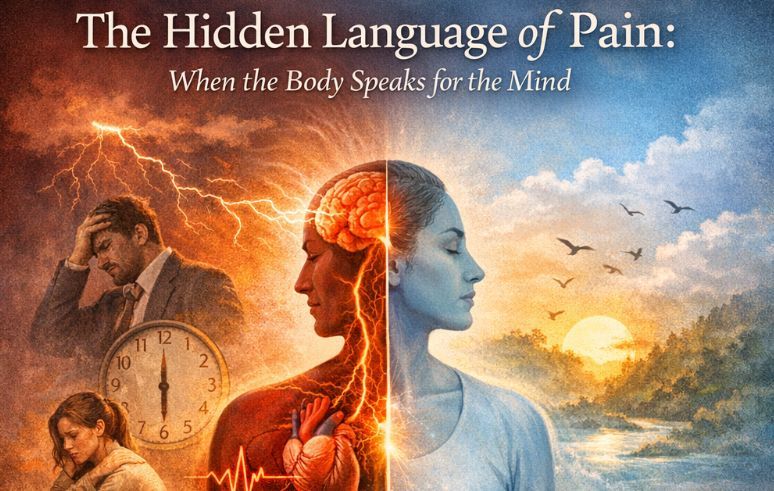
Have you ever noticed how your pain follows your life more than your posture?
A back that locks just before a difficult conversation.
A migraine that shows up every Sunday evening.
Shoulders that feel light and free on holiday… then tighten the moment you return home.
This is not random and it is not “just in your head.”
It is your nervous system responding to your environment.
The Geography of Stress
In practice, I’ve seen this pattern again and again:
Pain that moves.
Pain that flares without clear injury.
Pain that disappears when life feels lighter.
We often call this psychosomatic pain, but that term is misunderstood.
The pain is real, the biology is real, the experience is real.
What changes is not the truth of the pain but where it comes from.
It is no longer just about tissues or structure.
It becomes an interaction between your nervous system, your emotional load, and your physical body.
Biology, Not Imagination
Stress is not abstract. It is physical.
When your brain perceives pressure whether it’s a deadline, tension at home, or something you are trying to avoid, it activates your sympathetic nervous system.
And the body responds immediately:
• Cortisol and adrenaline rise
• Muscles tighten, preparing for action
• Heart rate increases
• Recovery and repair are pushed aside
This response is designed to protect you.
But when it becomes constant… it starts to wear you down.
The body never fully switches off.
Muscles stay slightly contracted.
Inflammation increases.
Pain sensitivity rises.
What began as protection slowly becomes burden.
Why You Feel It in Your Joints
Many people say, “stress goes into my joints.”
Not exactly.
Tension begins in the nervous system.
It expresses through the muscles.
But the joints… are where you feel it the most.
Why?
Because muscles control how your joints move.
When muscles stay tight:
Movement becomes restricted, joint lubrication decreases, load is no longer evenly distributed
And this creates a loop:
Stress → Tension → Restricted Movement → Joint Stiffness → Pain → More Stress
A perfect cycle.
The Hips Don’t Lie
At the center of your body is a deep, powerful muscle: the psoas.
It connects your spine to your legs and it reacts instantly to stress.
You may have heard that the
psoas
“stores emotions.”
The truth is that it does respond to them, fast.
If your system is constantly on alert, your psoas stays engaged.
Your hips tighten, your posture shifts, your lower back begins to compensate.
Over time, this becomes discomfort… then pain.
The Ones Who Carry the Most
There is a pattern I see often.
The caregivers.
The ones who hold everything together.
The ones who don’t stop.
They take on more.
They give more.
They ignore their own signals.
Until the body stops whispering… and starts shouting.
If you see yourself here, understand this:
Your pain is not weakness, it is the result of staying “on” for too long.
A Different Way to Look at Healing
Pain is not always damage, sometimes, it is a message.
A reflection of how your body, your mind, and your environment are interacting.
Healing, then, is not only about fixing tissue.
It is about:
• Reducing the load you are carrying
• Restoring movement where things feel stuck, most of the chronic pain and excessive stiffness in your body are due to tension you are holding for too long
• Becoming aware of what your body has been holding
Your body is not against you, It is adapting.Trying to protect you in the only way it knows how.
Small changes, done consistently, can completely change how your body feels.
I will be sharing simple, effective stretches and mobility routines for your chest, shoulders, and hips inside your private WhatsApp community.
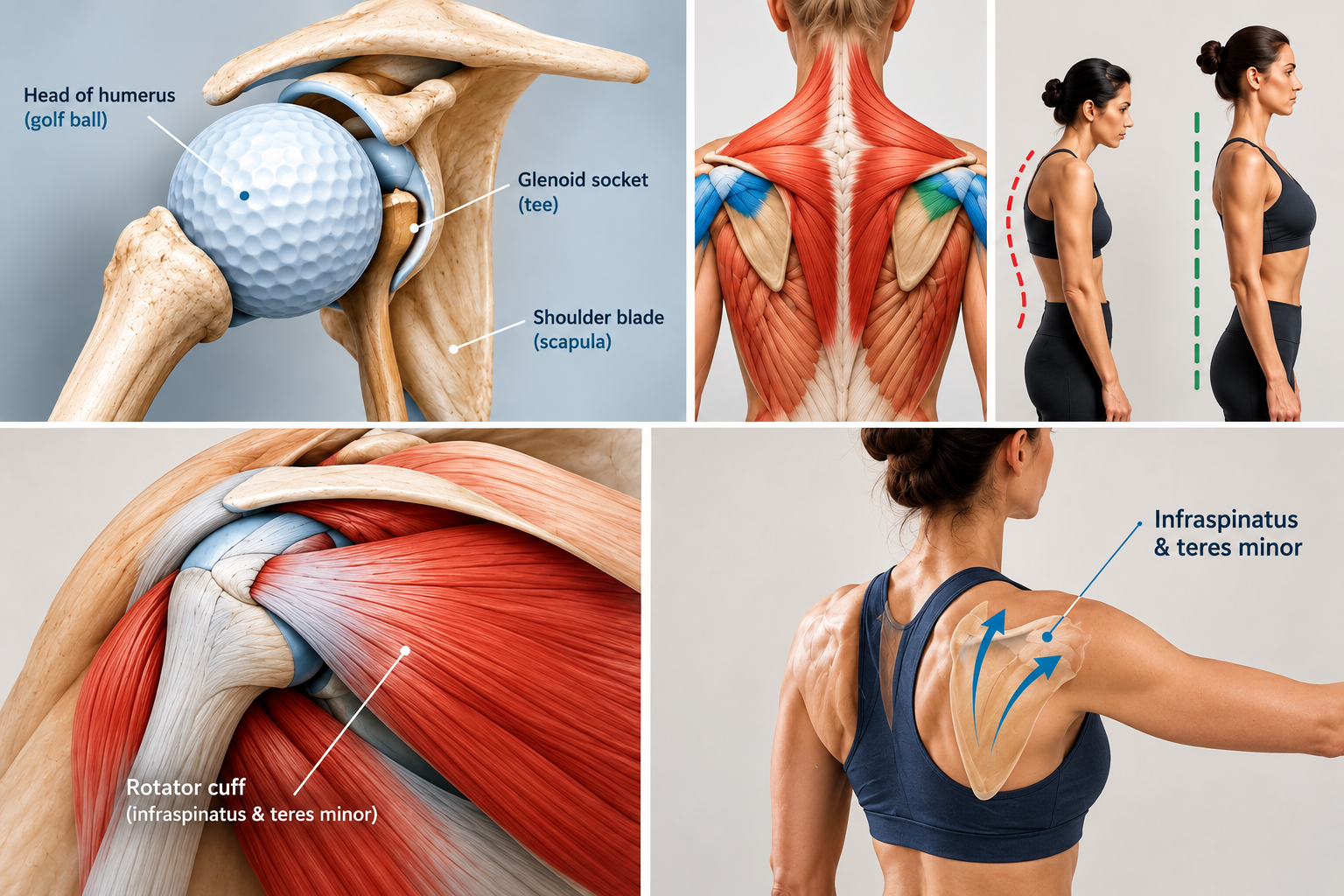
Strong Shoulders Start at the Shoulder Blades: Improve Stability, Support Your Neck and Build Better Posture
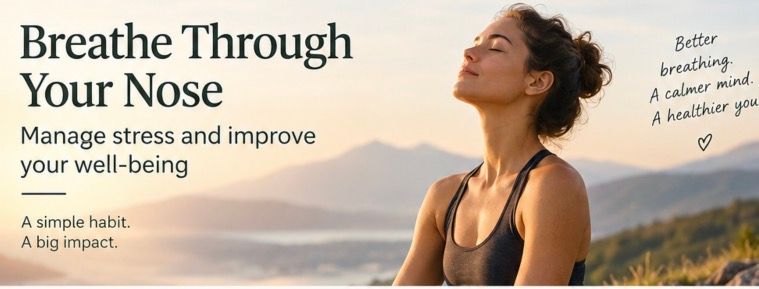
Breathe Through Your Nose Manage Stress and Improve Your Well-Being
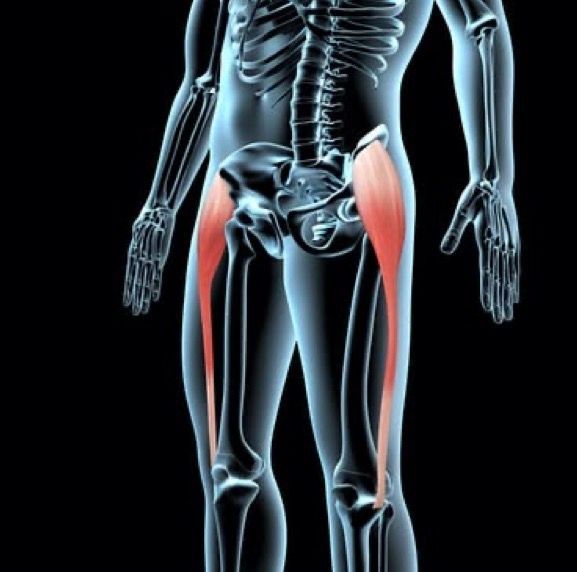
The TFL: The Pain Is Often a Sign, Not the Cause
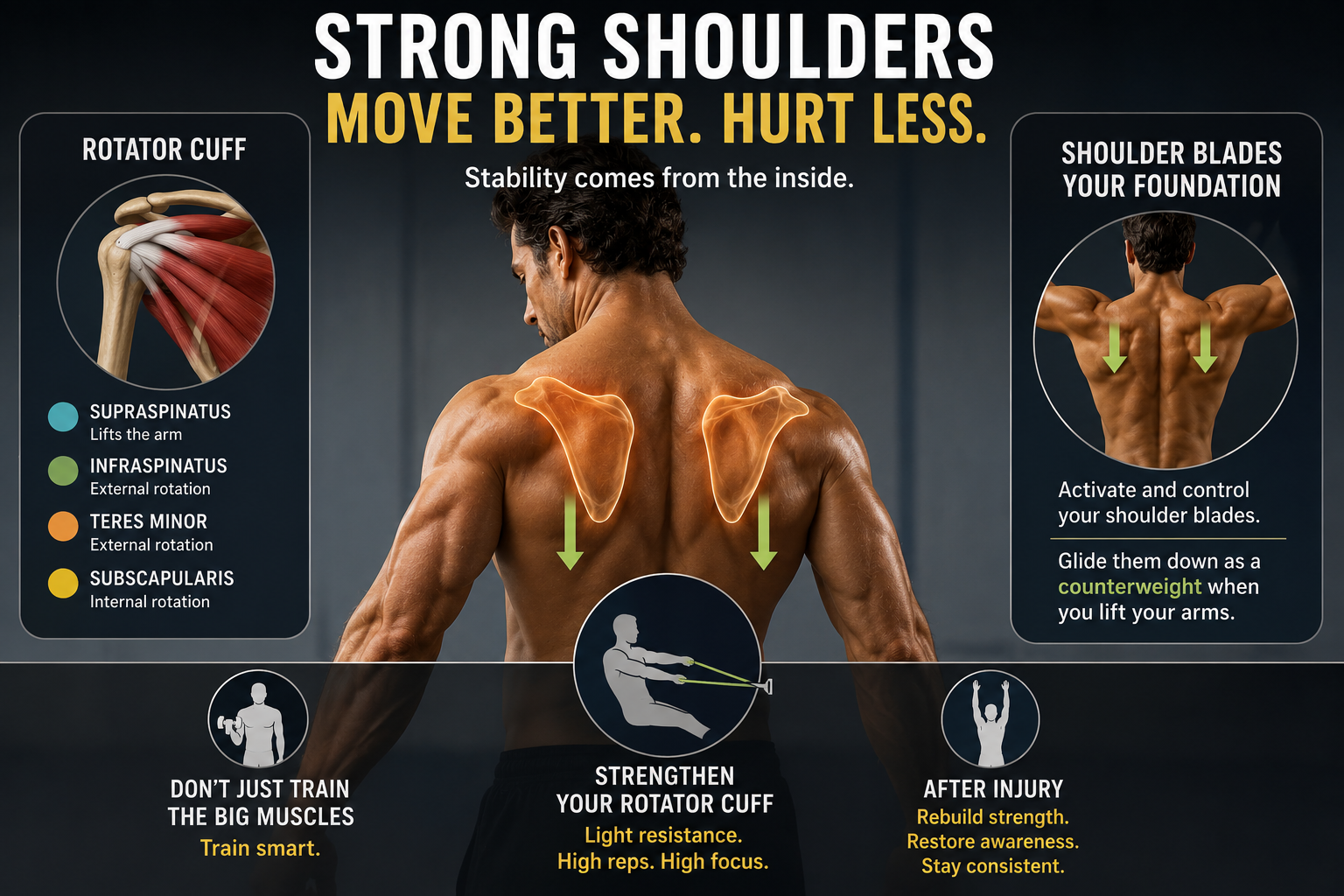
The Shoulder: Maximum Mobility Needs Maximum Stability
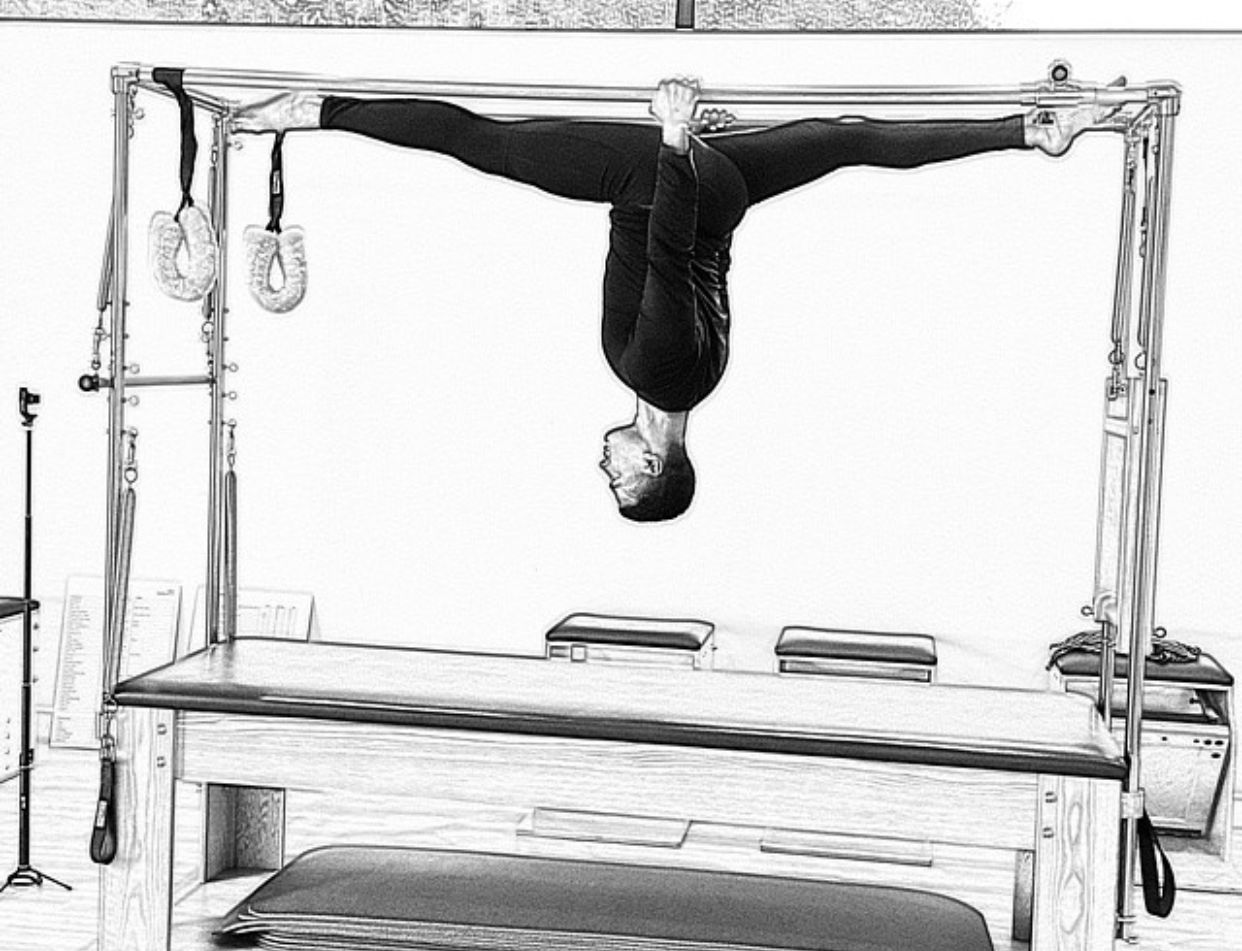
Beyond the Bend Why Flexibility Isn’t Just About Stretching
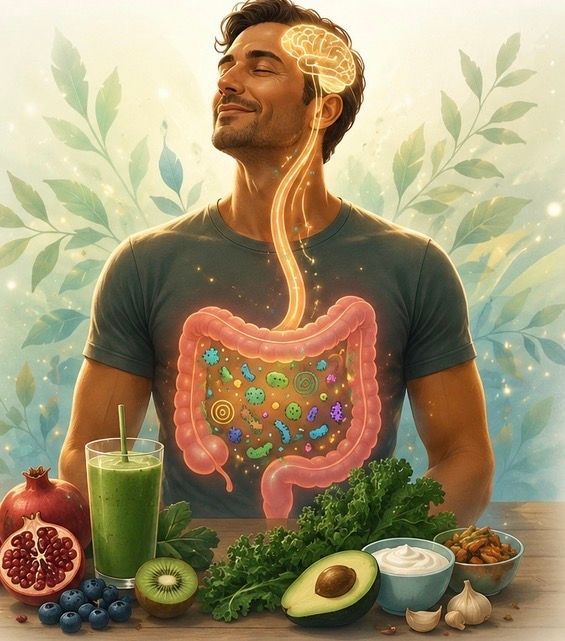
Feed Your Gut, Not Your Cravings

Flat belly-Visible Abs: The Truth Behind a Strong Core

How I Stay Healthy, Energetic, and Youthful: My Personal Approach to Longevity
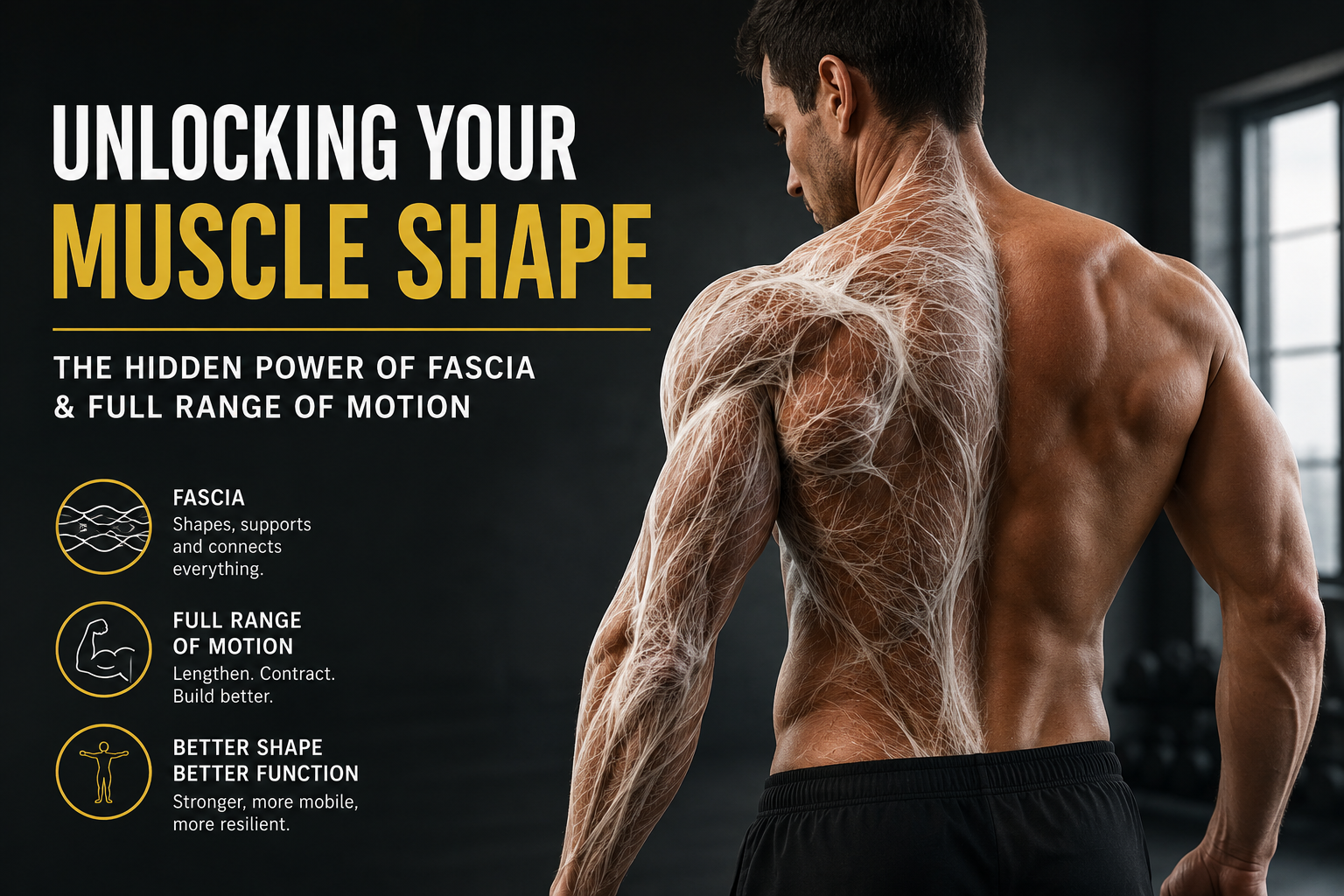
Unlocking Your Muscle Shape The Hidden Role of Fascia and Full Range of Motion
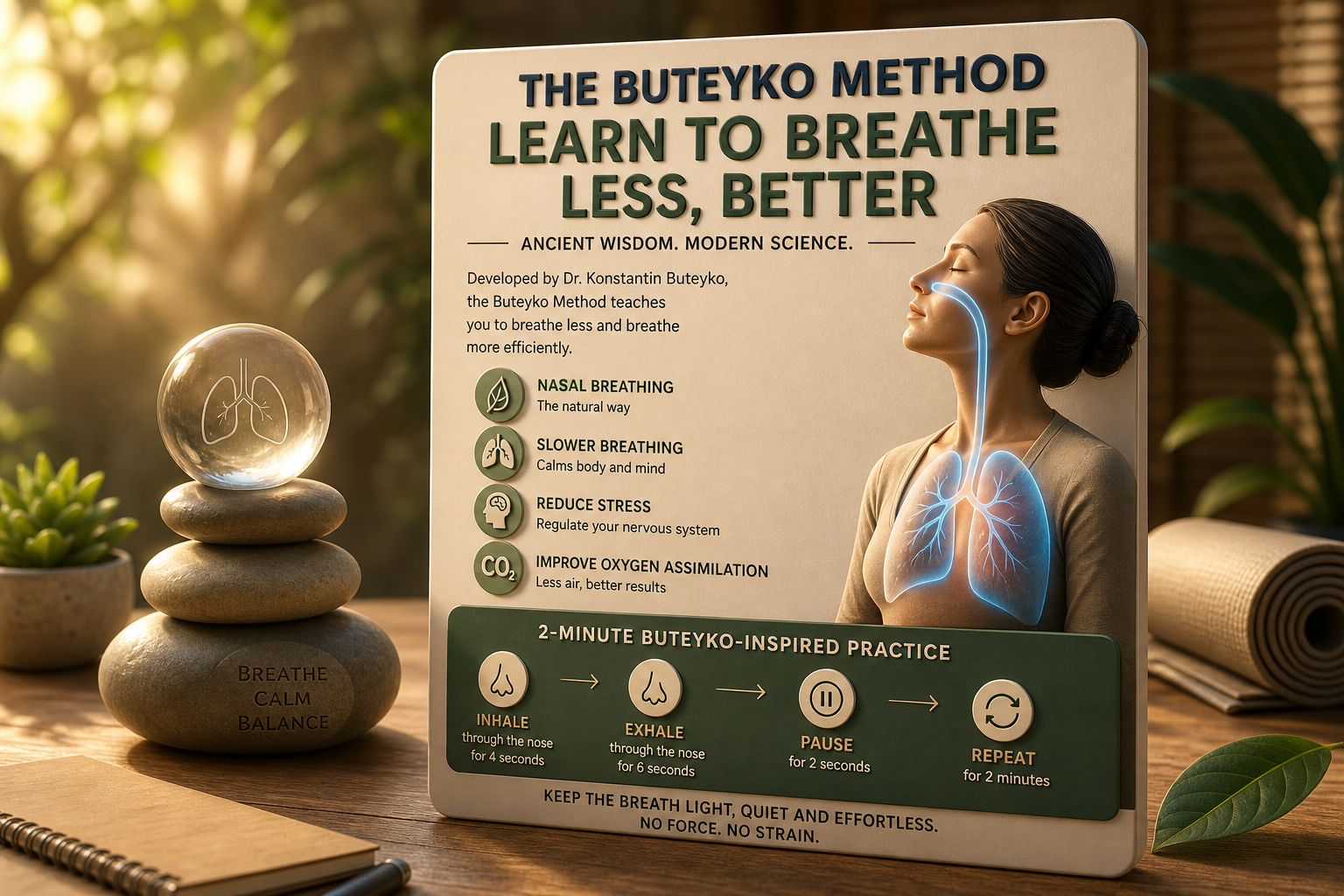
The Buteyko Method: Learn to Breathe Less, Better