How I Stay Healthy, Energetic, and Youthful: My Personal Approach to Longevity
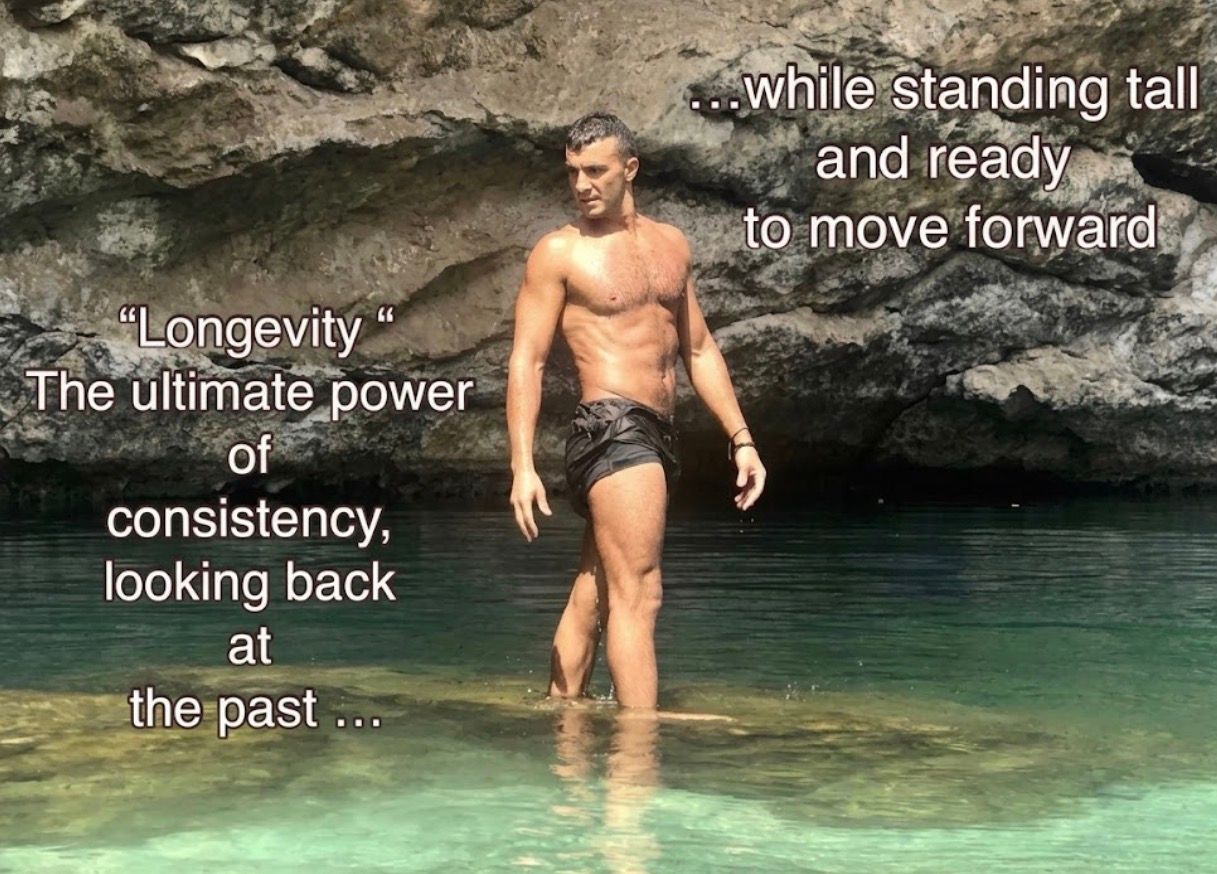
Today, everyone is talking about longevity
How to live longer, stay healthy, and slow down aging.
Social media is full of extreme protocols, supplements, and complicated routines.
I don’t claim to have all the answers.
I simply share what has genuinely worked for me over many years.
People often tell me I look at least 10 to 15 years younger than my age.
For me, it comes down to simple, consistent habits, not perfection.
1. A Strong Mind Comes First
Health starts with the mind.
Resilience is one of the most important pillars of my life.
Life brings stress, challenges, and uncertainty.
What matters is how we respond.
Resilience is not about ignoring emotions, but about staying grounded, adapting, and continuing forward without losing balance.
Chronic stress can affect sleep, immunity, recovery, and overall health.
That’s why protecting mental peace is essential.
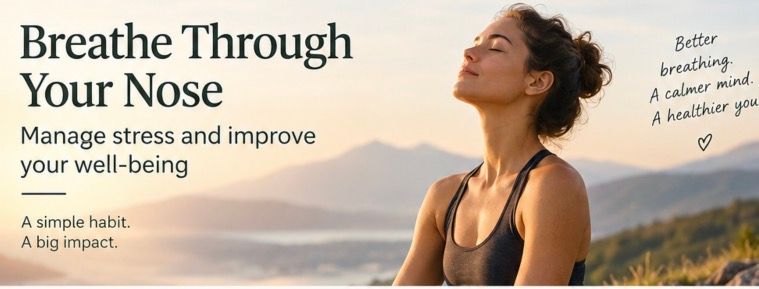
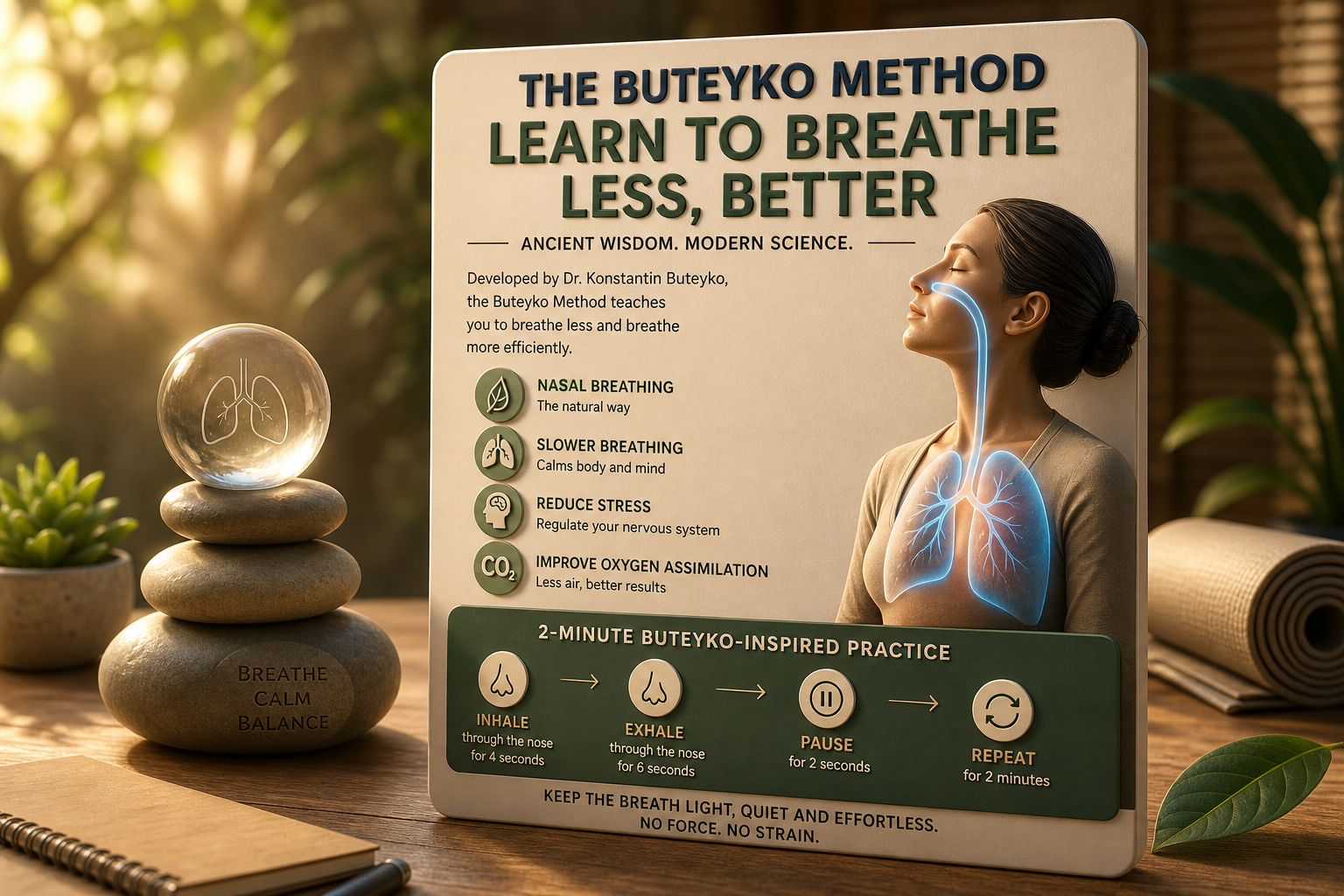
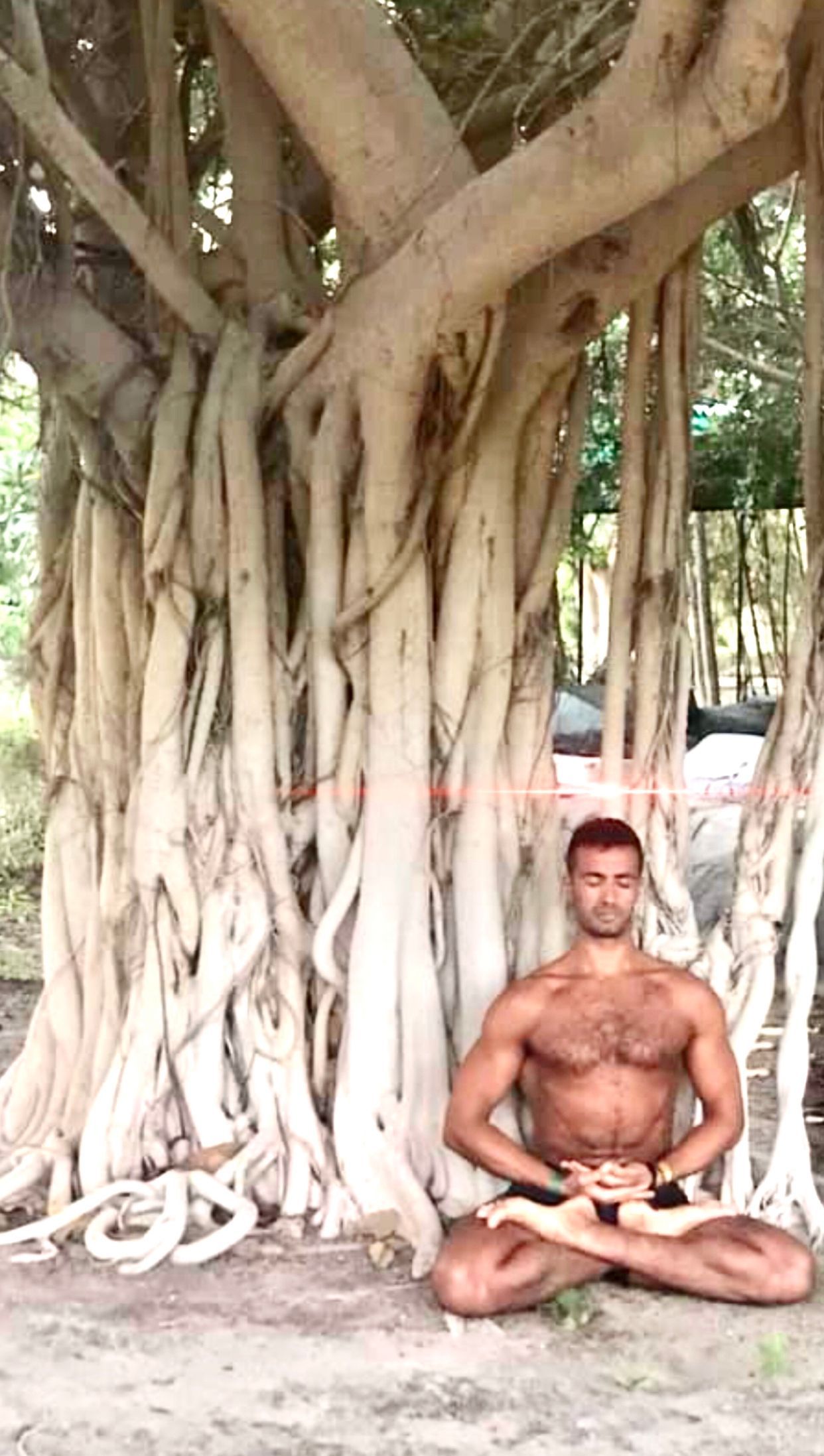
When things go wrong, I focus on what I can control, stay active,sports, spend time in nature, breathe well, and reduce unnecessary noise.
A calm mind supports a strong body.
2. Real Food, Always
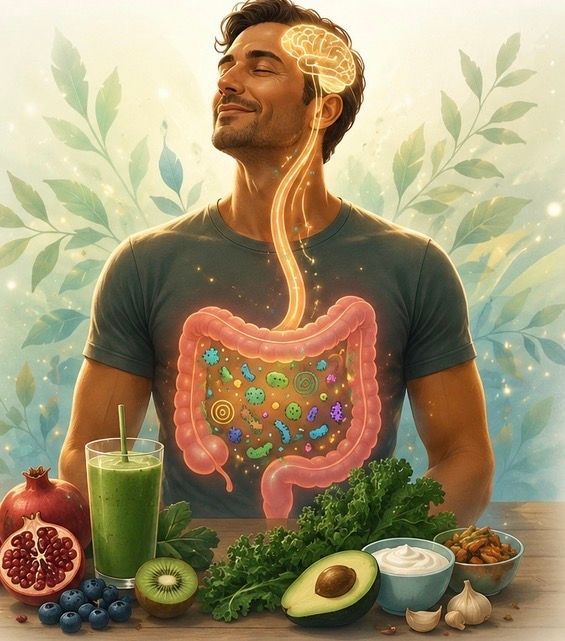
Nutrition is my foundation.
I cook most of my meals so I know exactly what I’m eating.
I keep things simple: whole, natural foods, nothing extreme.
I don’t count calories or follow rigid diets.
I listen to my body.
When I train more or have a very active day, I increase my carbohydrates to support energy and recovery.
Food is my first medicine.
3. Sleep Is Essential
I go to bed early, usually before 10 p.m., and wake up early.
This rhythm has been part of my life for years.
Good sleep improves recovery, energy, focus, and emotional balance.
No supplement can replace it.
4. Stay Active, Not Exhausted
Movement is part of my lifestyle.
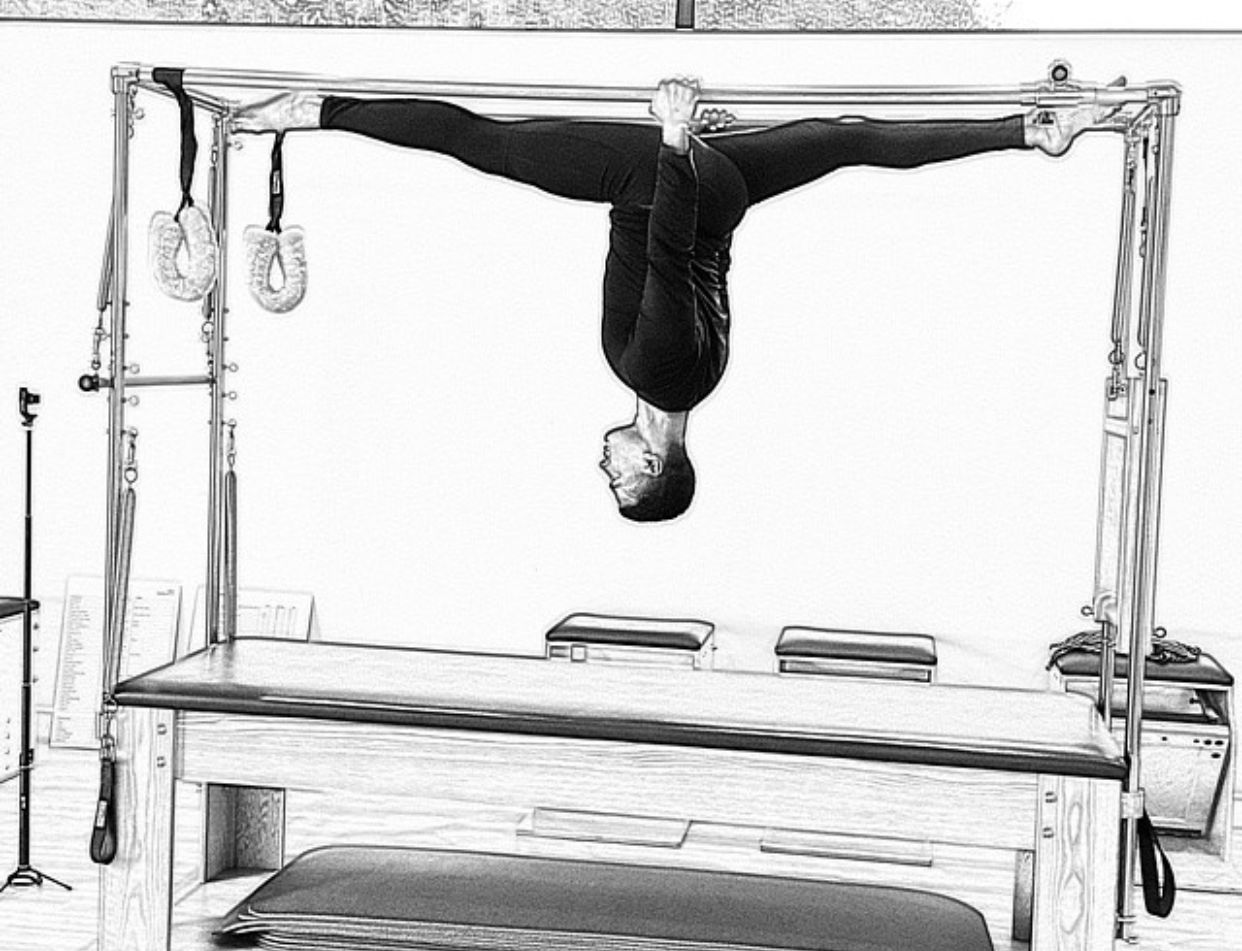
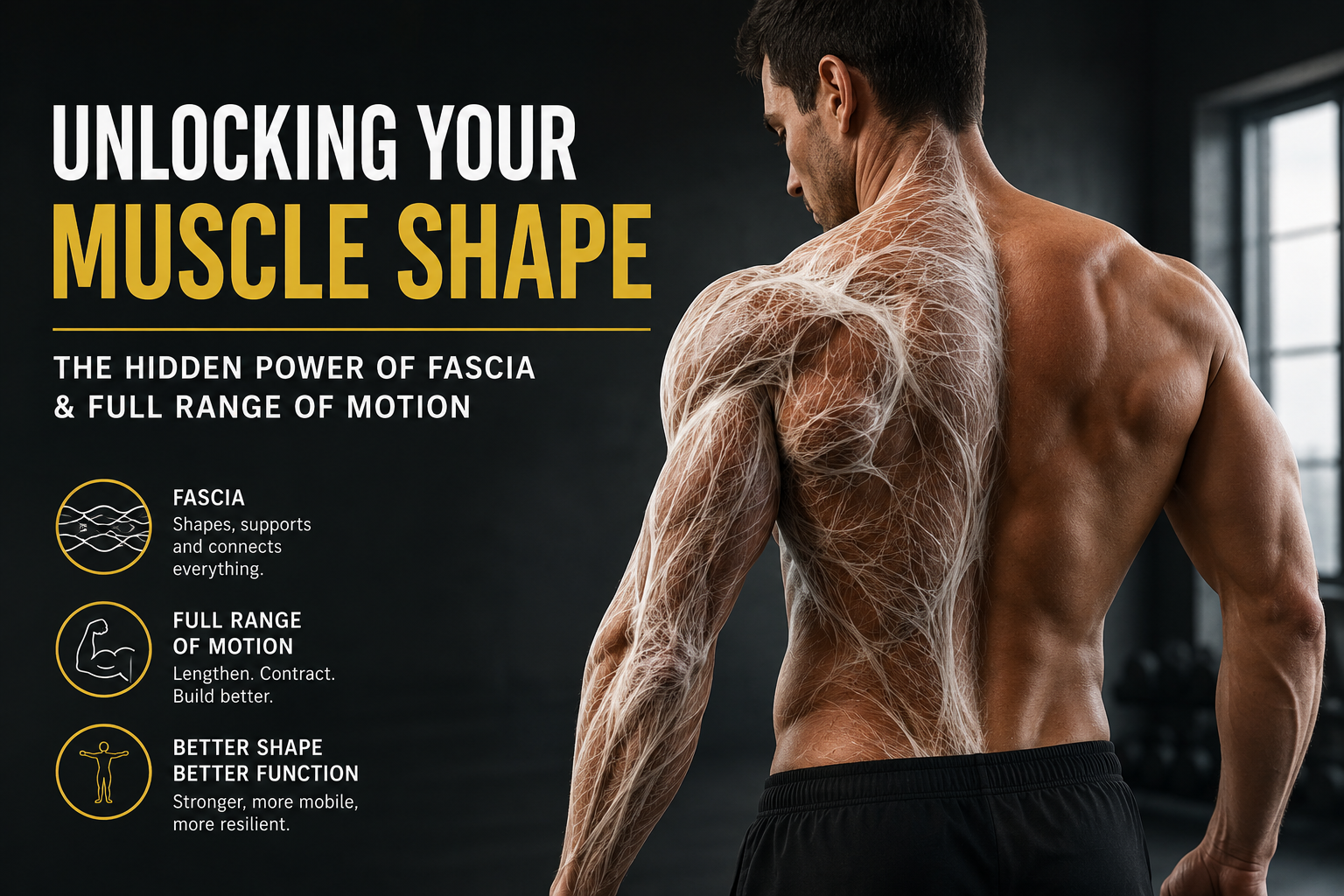
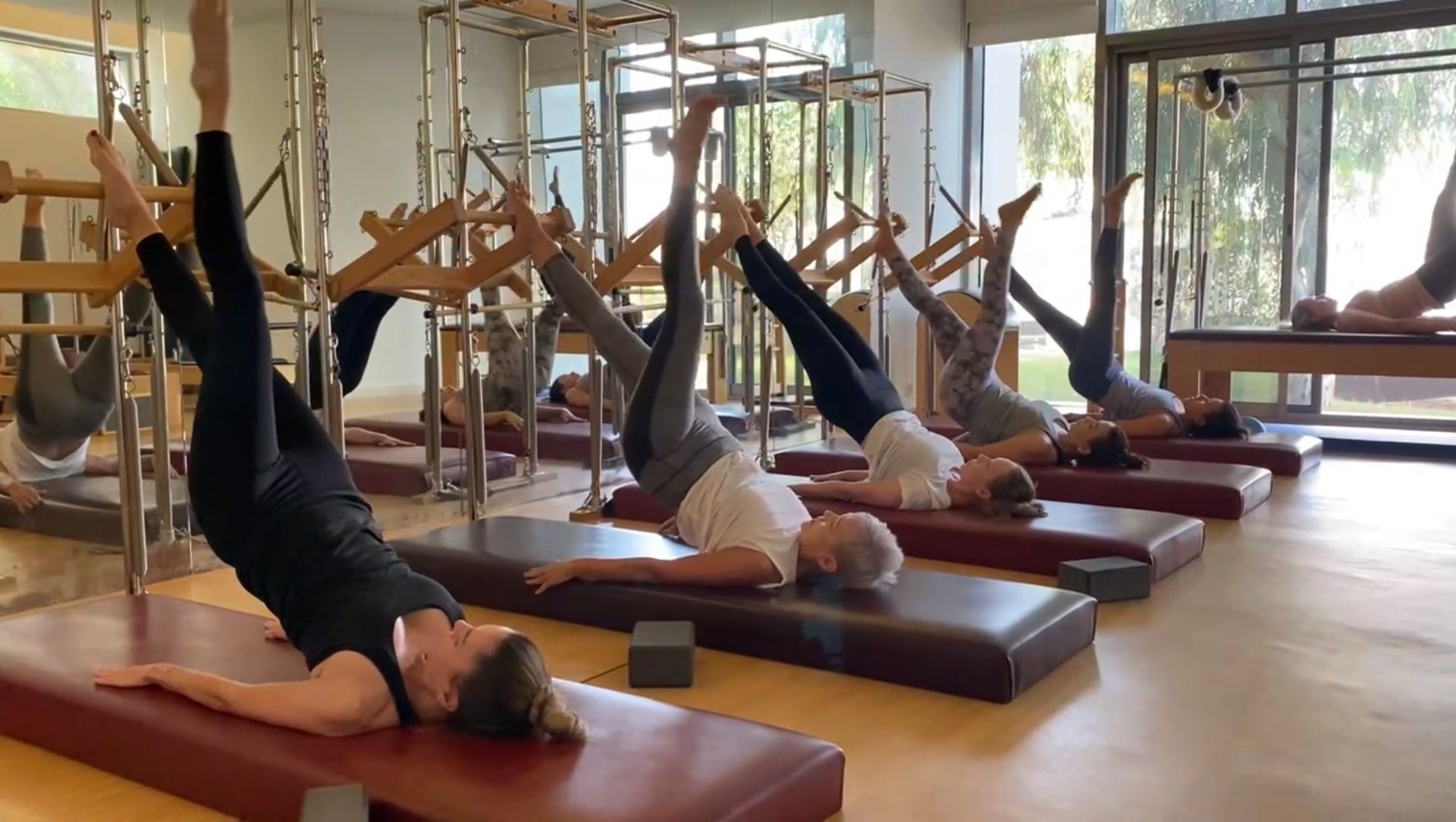
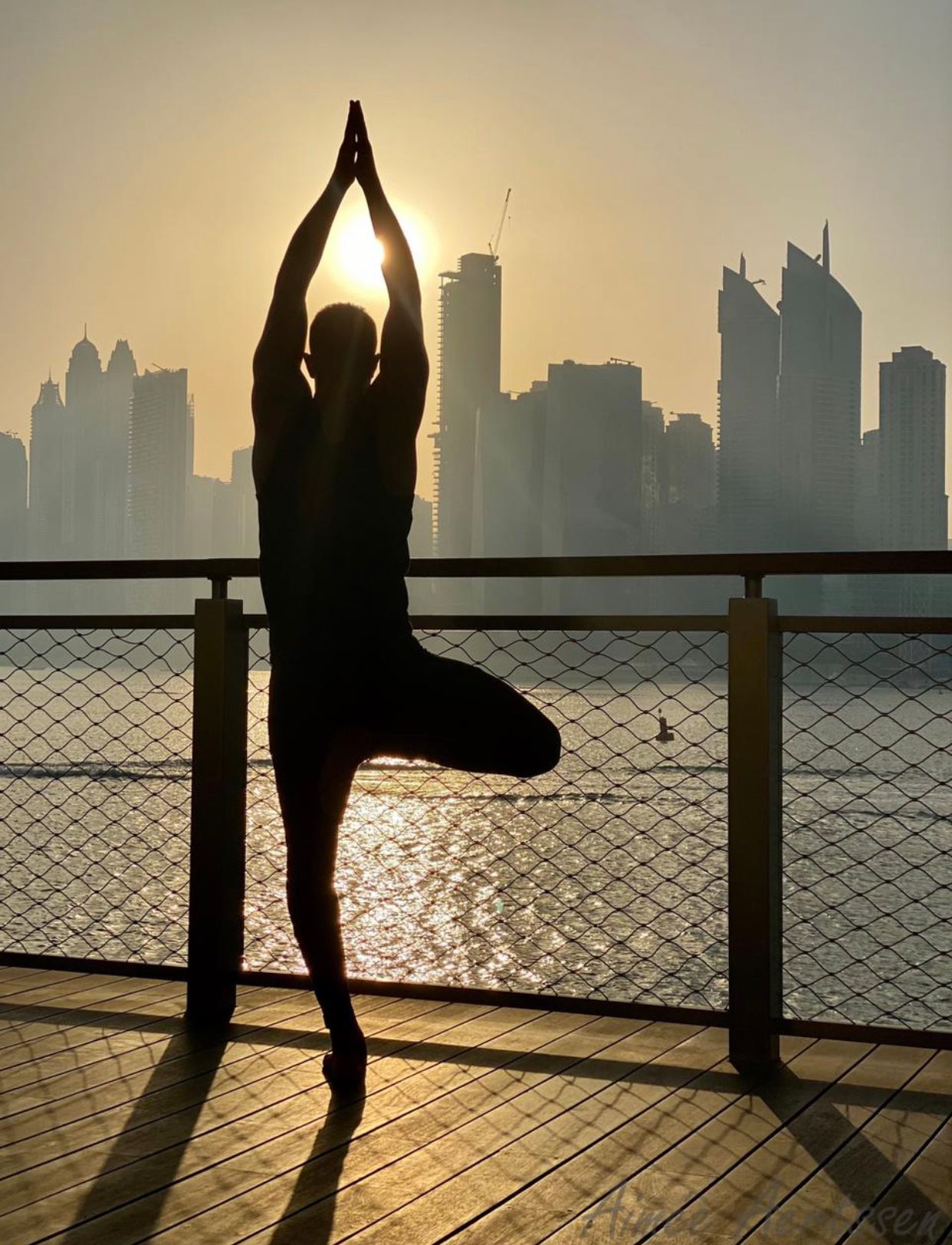
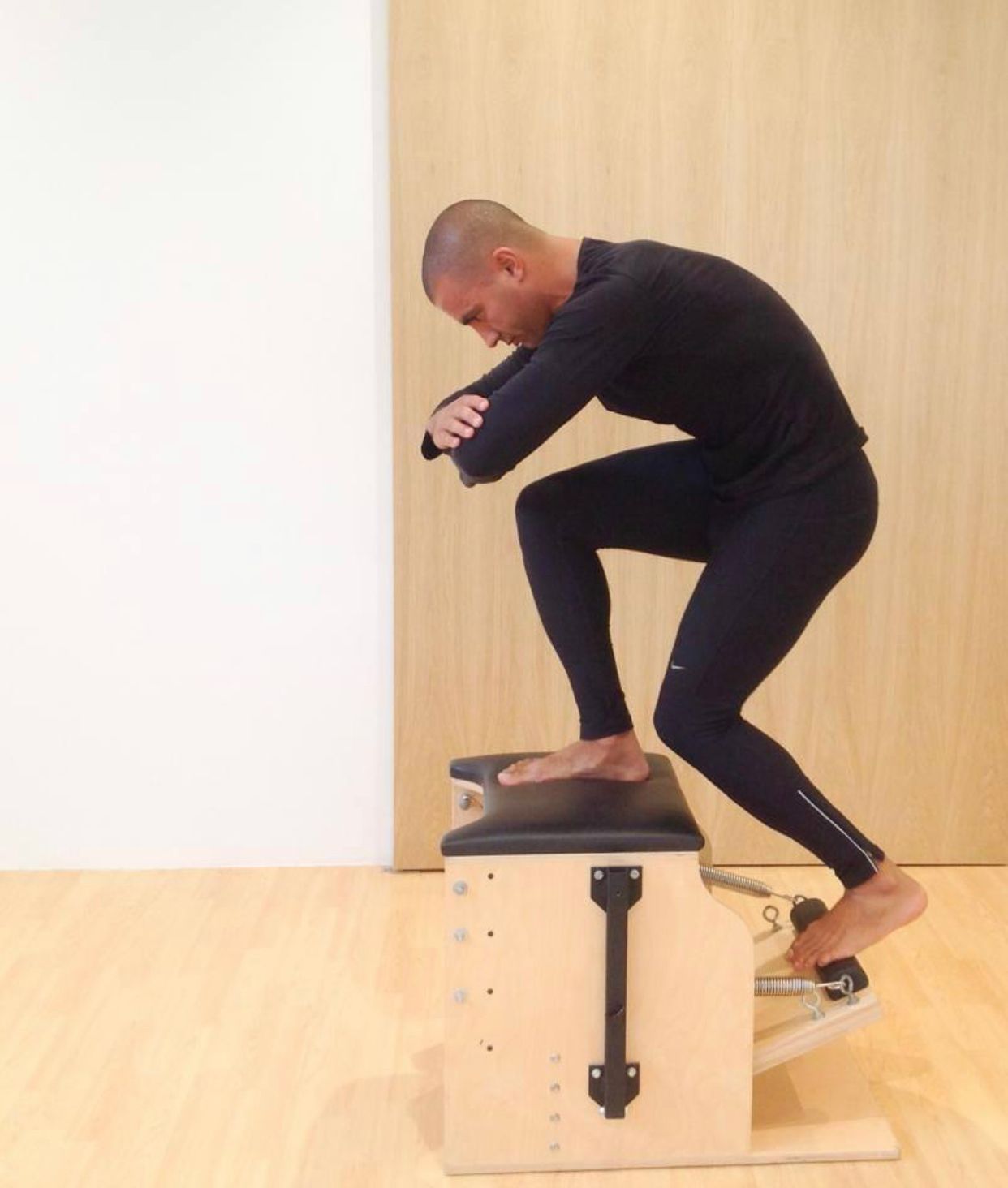
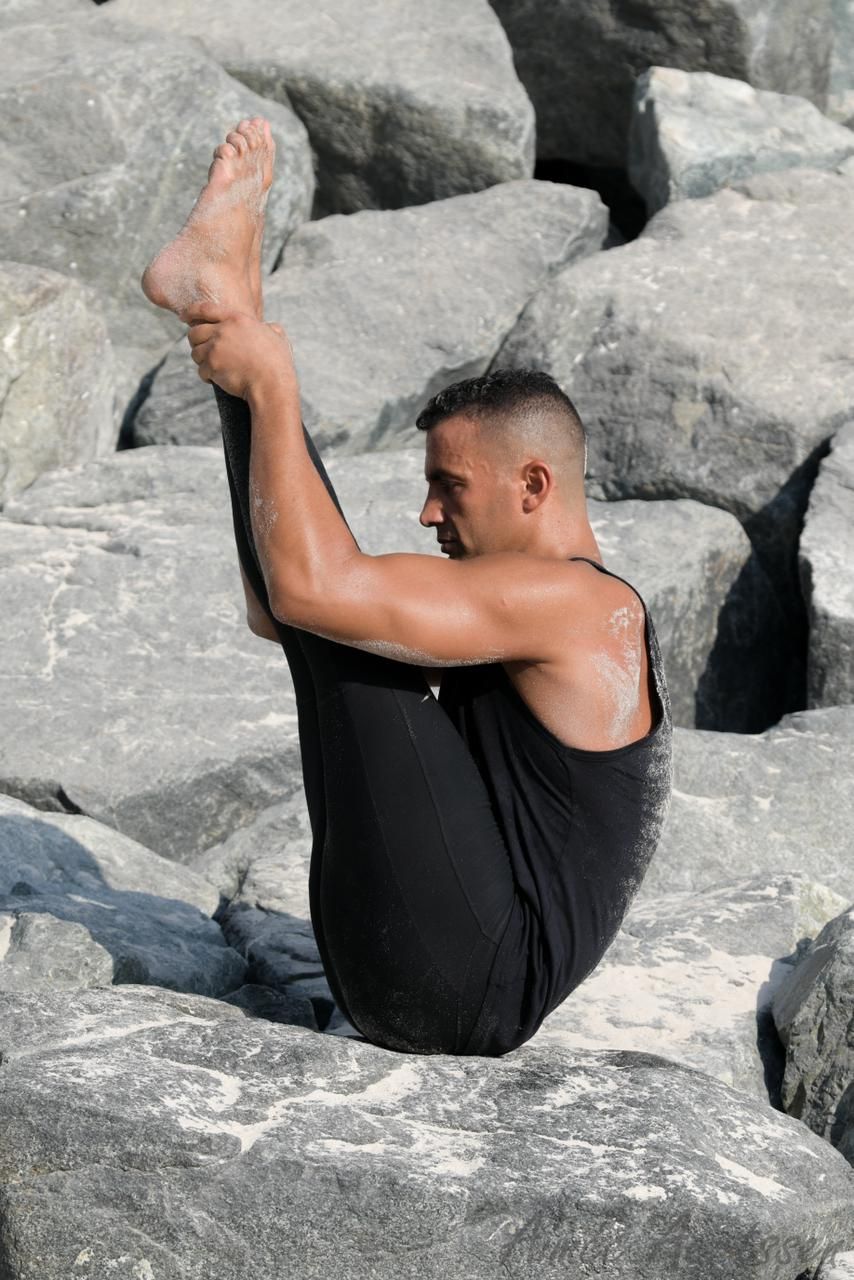
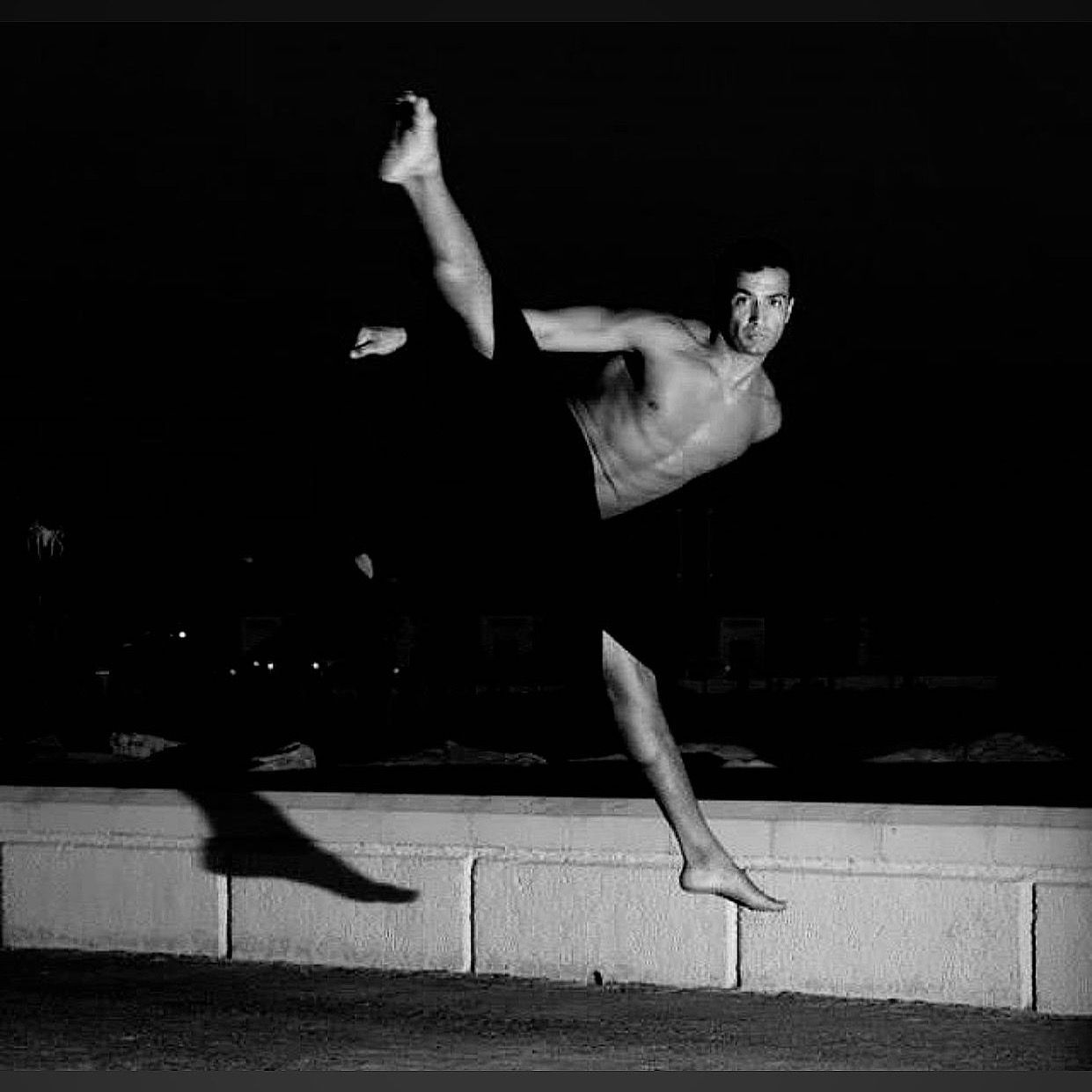
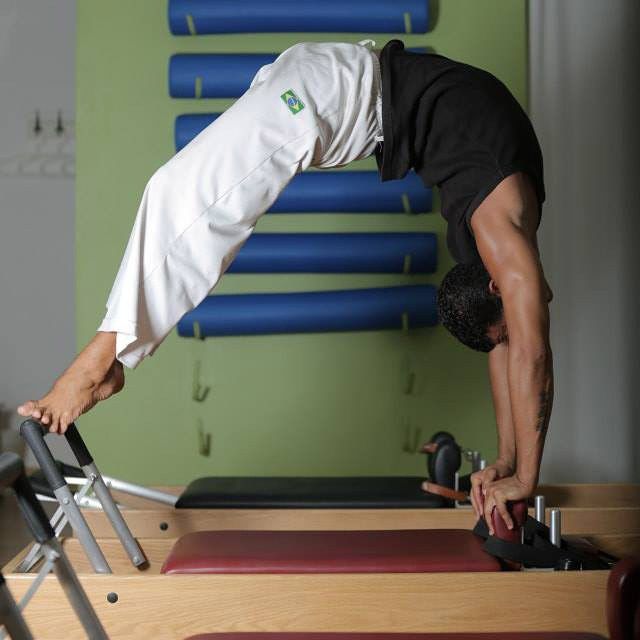
I combine Pilates, yoga, strength training, mobility, and cardio.
I like to challenge my body, but never to exhaustion.
The goal is to build energy, not destroy it.
Consistency always beats intensity.
5. Intermittent Fasting as a Natural Rhythm
I naturally eat in a fasting rhythm.
Most days, I eat one main meal.
Sometimes I add a light snack like carrots, cucumber, or fruit, always whole foods.
On very active days, I may eat more.
I don’t follow strict timing.
I eat based on what my body needs.
6. Bone Broth After Fasting
When I do longer fasts, I often break them with bone broth.
It is light, nourishing, and easy to digest.
It gently prepares my body before a full meal and supports hydration and recovery.
It is a simple habit that works very well for me.
7. Supplements, But Not Excess
I rarely use supplements.
When I do, it is usually:
- Omega-3
- Magnesium
- Vitamin B complex (occasionally)
I take them only a few times per week, depending on training and how I feel.
Magnesium is especially important, as it supports hundreds of processes in the body, including energy, sleep, and recovery.
But real food always comes first.
Taking these supplements before sun exposure seems to enhance their effects, the boost from sunlight (vitamin D) is fantastic.
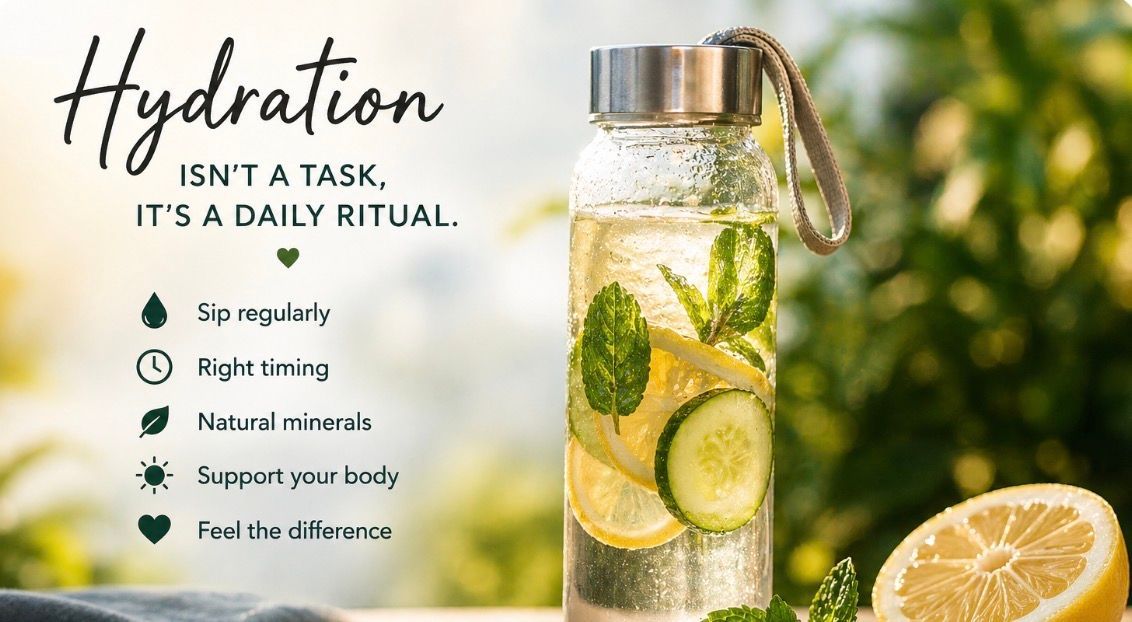
8. Hydration Is Key
Without water, nothing works properly.
I make sure I stay well hydrated, especially in a hot climate.
I often add minerals and herbs to my water to support hydration and replace electrolytes.
It’s not just about drinking more, it’s about drinking better.
Check the video about "hydration" in our exclusive community content. The water I drink.
9. Consistency Is the Real Secret
One principle has stayed with me since I was young: consistency.
In many traditions, this is called prana, the constant life force in motion.
Consistency is what turns habits into lifestyle.
It is the daily desire to evolve, to improve, and to become a better version of yourself, not through pressure, but through good habits.
Over time, this is what keeps the body young, the mind clear, and the energy stable.
My Philosophy
There is no secret.
Just simple habits repeated for years:
- Build a resilient mind
- Eat real food
- Sleep early
- Stay active
- Don’t overeat
- Fast naturally
- Use supplements lightly
- Stay hydrated
- And stay consistent
- No smoking
- Avoid Alcohol
Health is not built in a week.
It is built through thousands of small daily choices.
Final Thought: Simplicity and Awareness
Don’t get confused by social media trends, extremes, or distorted ideas about health.
You do not need to spend millions or buy magic supplements
The truth is simple.
There is no shortcut.
No trend replaces fundamentals.
One reflection I live by: moderation is powerful.
Even fasting is about balance, not extremism.
Sometimes, less is how you reconnect with yourself.
I’ve learned that stepping back from excess, food, desires, stimulation, can bring clarity to both body and mind.
I’ve lived this way for a long time, not letting cravings or habits control my life.
For me, it is about peace, contentment, and awareness.
No one is perfect.
But the goal is to move differently from the mass pattern.