Unlocking Your Muscle Shape
The Hidden Role of Fascia and Full Range of Motion
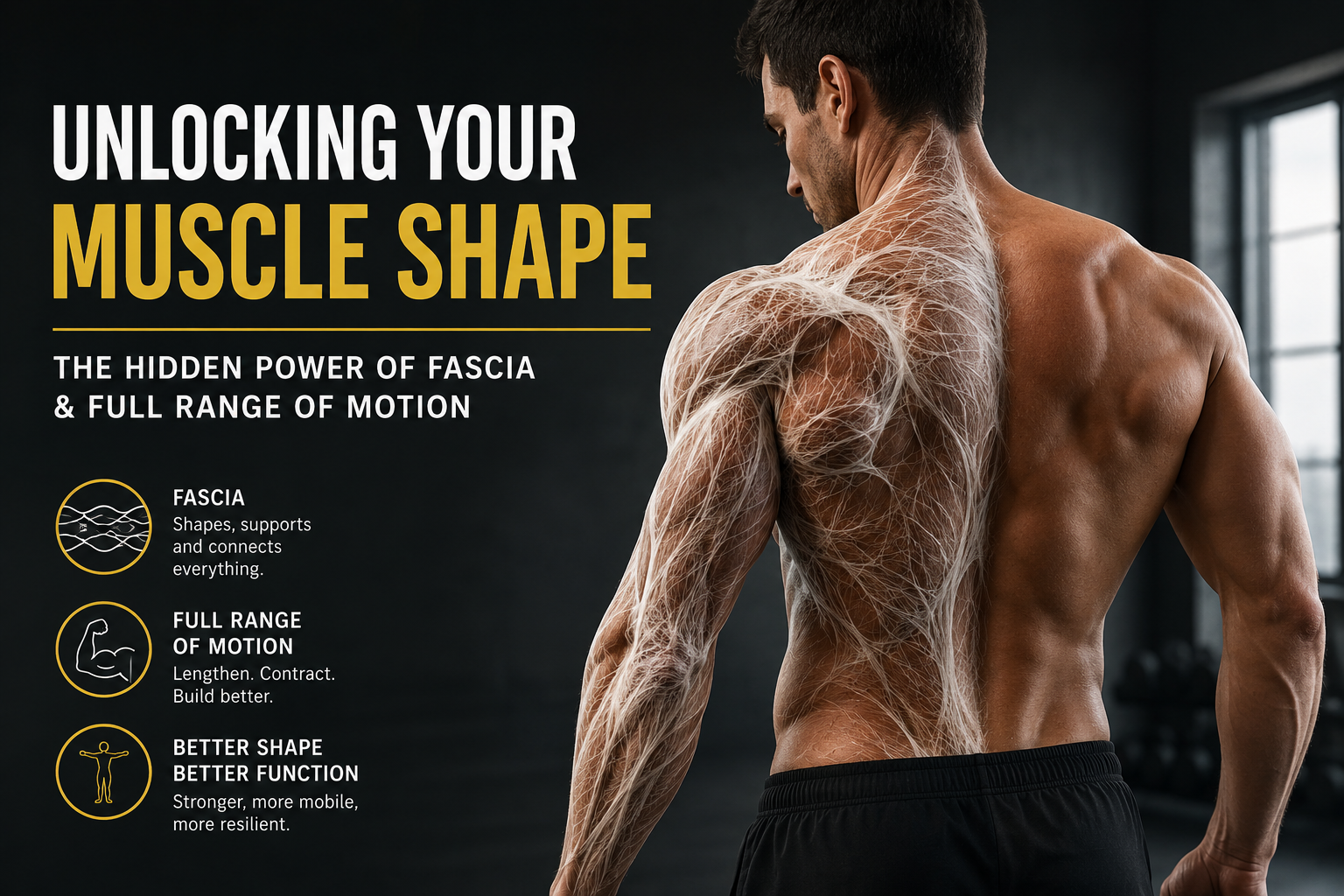
When people want to transform their bodies, they usually focus on building muscle and losing fat.
While both are important, there is another piece of the puzzle that is often overlooked: fascia.
Understanding fascia can change the way you train and may help explain why some physiques look athletic, balanced, and fluid, while others appear tight and restricted despite years of hard work.
I’ve already written about fascia, it’s such an important topic that it deserves more than a single blog post.
What Is Fascia?
Imagine an orange.
Inside the orange, a thin white membrane surrounds and separates each segment, holding everything together while giving it shape and structure.
Fascia works in a similar way throughout the body.
It is a continuous network of connective tissue that wraps around muscles, bones, organs, nerves, and even individual muscle fibers.
Far from being simple packaging, fascia is a living tissue that helps transmit force, support movement, and maintain the body’s structure.
In many ways, fascia is the body’s internal architecture.
The Body Is One Connected System
One of the people who greatly influenced my understanding of fascia is 'Thomas W. Myers', creator of the Anatomy Trains concept.
His work highlights that the body functions through interconnected fascial lines rather than isolated muscles working independently.
A simple way to understand this is to imagine the rigging of a sailing boat.
If tension changes in one rope, the entire structure adjusts.
The body works much the same way.
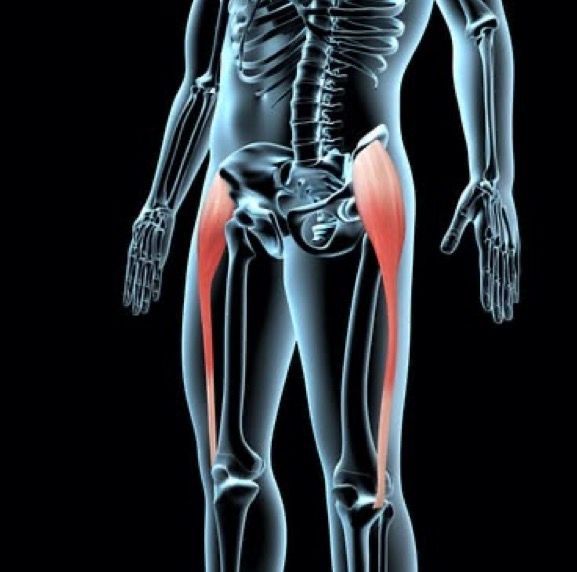
- A restriction in the foot can influence the knee.
- Tight hips can affect the lower back.
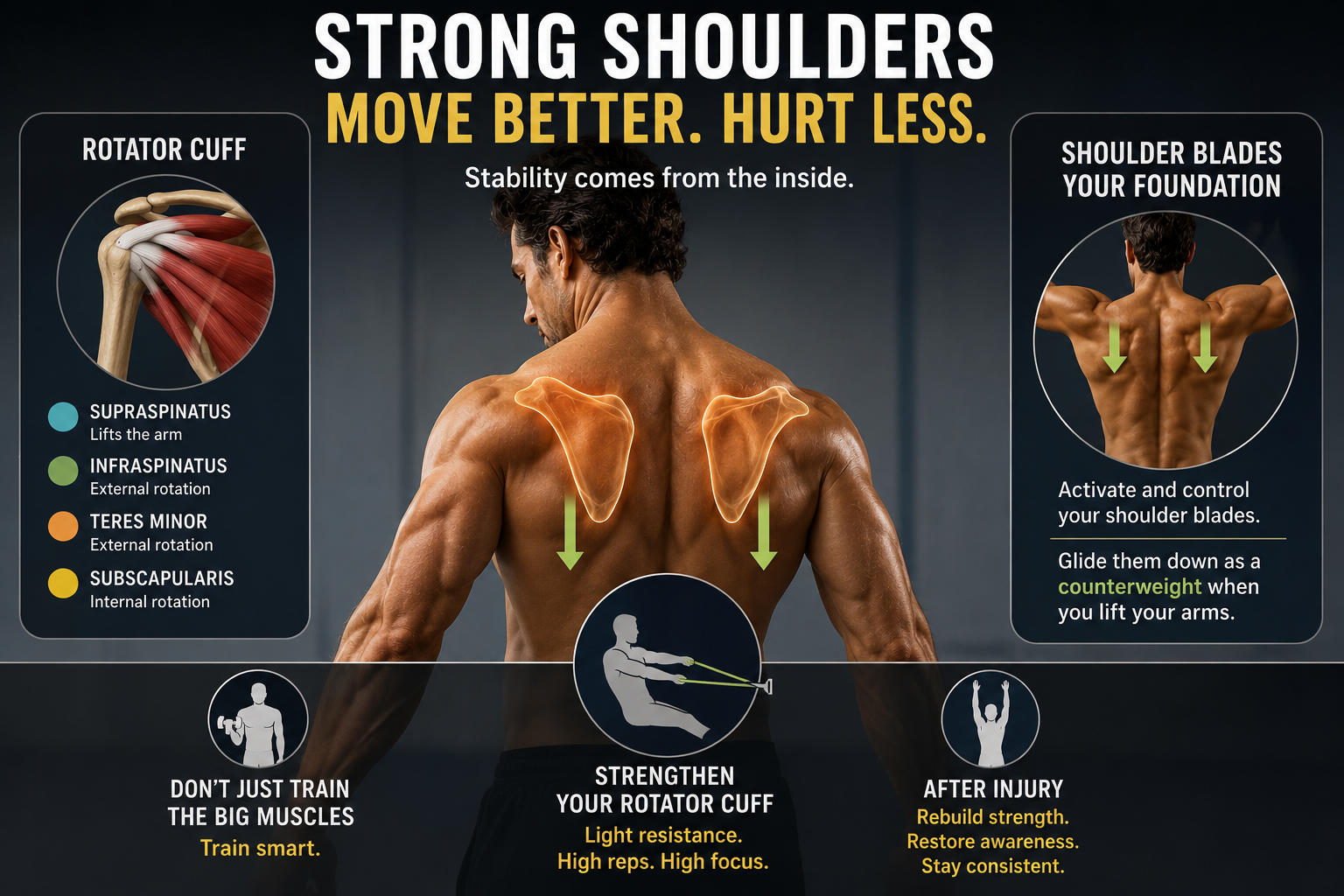
- Limited shoulder mobility can impact the spine.
Everything is connected.
Muscle Creates Size. Fascia Influences Shape.
Muscles and fascia work together as one system.
As muscles grow, they expand within the fascial network surrounding them.
When fascia is healthy, hydrated, and adaptable, movement is smoother and muscles can develop through their full range.
When fascia becomes stiff or restricted, movement quality often suffers and the body may feel tight and less efficient.
This is one reason why mobility, hydration, and movement quality are just as important as lifting weights.
The Problem With Partial Reps
One of the most common mistakes in the gym is spending too much time training through short ranges of motion.
Half squats, Half curls, Half presses and so on...
While partial repetitions can have a place in specific training programs, relying on them constantly teaches the body to become strong only within a limited range.
Over time, this can lead to:
- Reduced mobility
- Less balanced muscular development
- Increased joint stress
- Poor movement quality
- Lower overall athleticism
- Short bulky muscles
The body adapts to what it practices.
Train short, and the body becomes efficient at moving short.
The Power of Full Range of Motion
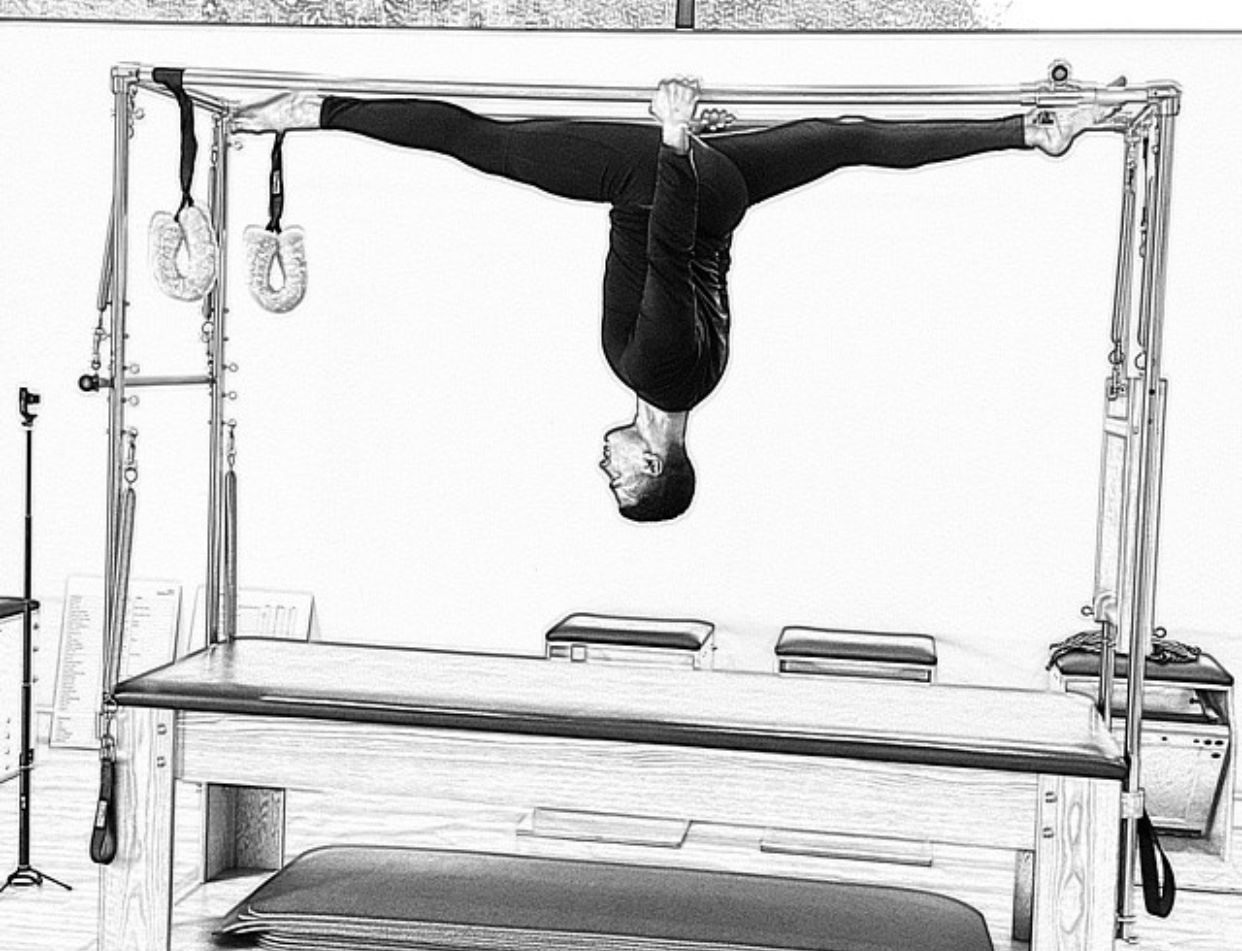
If your goal is to build a strong, athletic, and aesthetically balanced physique, full range of motion should be a priority.
Every repetition should move through the greatest range you can safely control.
Train the Stretch
Allow the muscle to reach a controlled lengthened position.
This creates mechanical tension and challenges both the muscle and surrounding connective tissues.
Own the Contraction
Finish each repetition by fully contracting the target muscle.
This improves muscle recruitment, control, and overall training quality.
The combination of a deep stretch and a strong contraction provides a more complete stimulus than moving heavier weights through a shortened range.
Supporting Healthy Fascia
A few simple habits can make a significant difference:
- Stay hydrated
- Move in multiple directions ( so important )
- Control the lowering phase of your exercises ( eccentric phase )
- Include mobility work regularly
- Prioritize quality movement over ego lifting
Why I Also Practice Animal Flow
One of my favorite forms of training is Animal Flow and ground-based movement.
Unlike many traditional exercises that isolate muscles, these movements require the entire body to work as one connected system.
You are constantly stabilizing, reaching, rotating, lengthening, contracting, and adapting against gravity.
This develops strength, mobility, coordination, and body awareness simultaneously while encouraging the fascial system to function as an integrated whole.
For me, it complements strength training perfectly and reinforces the idea that the body was designed to move, not simply to lift.
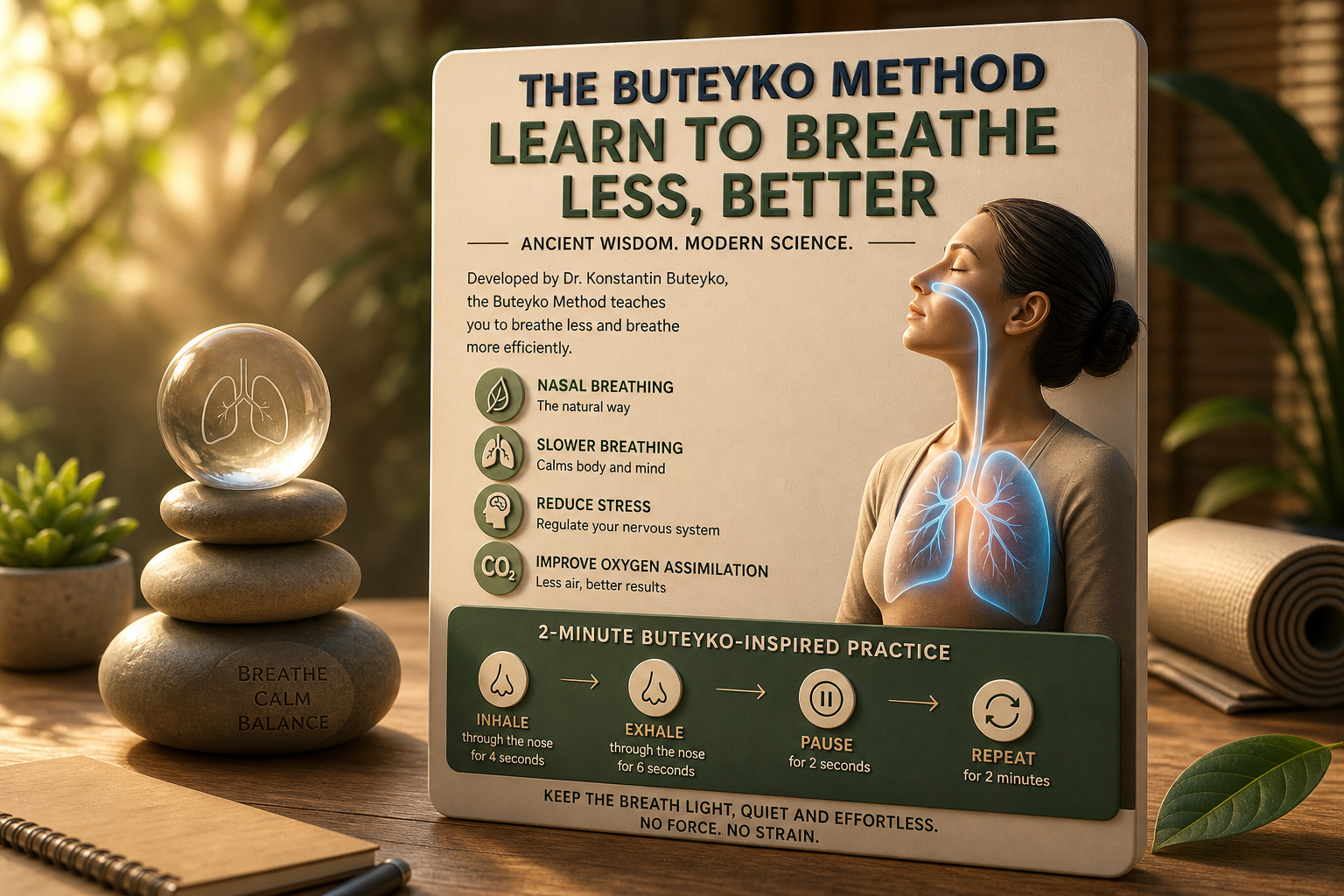
The website includes a detailed explanation of the method and practical exercises.
I highly recommend checking it out to better understand the approach.
The Bottom Line
Most people train muscles, few people train movement, even fewer understand fascia.
Yet fascia may be one of the missing links between strength, mobility, posture, athleticism, and aesthetics.
Train through a full range of motion, respect the stretch, reach and own the contraction.
remember to stay hydrated, more than the muscles the fascia get tight very fast if you are dehydrated
Above all move often.
The body is not a collection of separate parts.
As 'Thomas Myers' teaches, it is one interconnected system.
Muscles create size. Fascia helps shape it. Movement brings it all to life.