Beyond the Bend
Why Flexibility Isn’t Just About Stretching
Flexibility is often treated as something you either have or you don’t.
Some people naturally move with ease, while others feel stiff despite years of stretching.
The truth is that flexibility is influenced by many factors.
Genetics play a role, but so do your anatomy, muscles, connective tissues, nervous system, age, and daily habits.
Like strength, flexibility is a quality that can be developed through intelligent training, consistency, recovery, and understanding your own body.
Your Anatomy Sets the Foundation
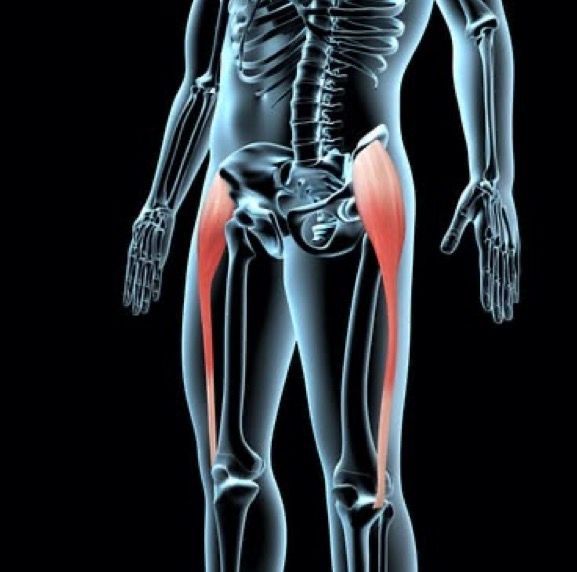
Your skeleton creates natural boundaries for movement.
The shape of your hips, shoulders, joints, and bones influences your available range of motion.
Stretching cannot change your anatomy, and forcing your body beyond its natural limits may create unnecessary stress on joints and tissues.
Ending with chronic inflammation
Some people have hypermobility, where joints move beyond a normal range due to increased ligament laxity.
Although this may look like exceptional flexibility, too much mobility without strength and control can reduce stability and increase injury risk.
True flexibility is not only about range of motion.
It is about control, strength, and awareness.
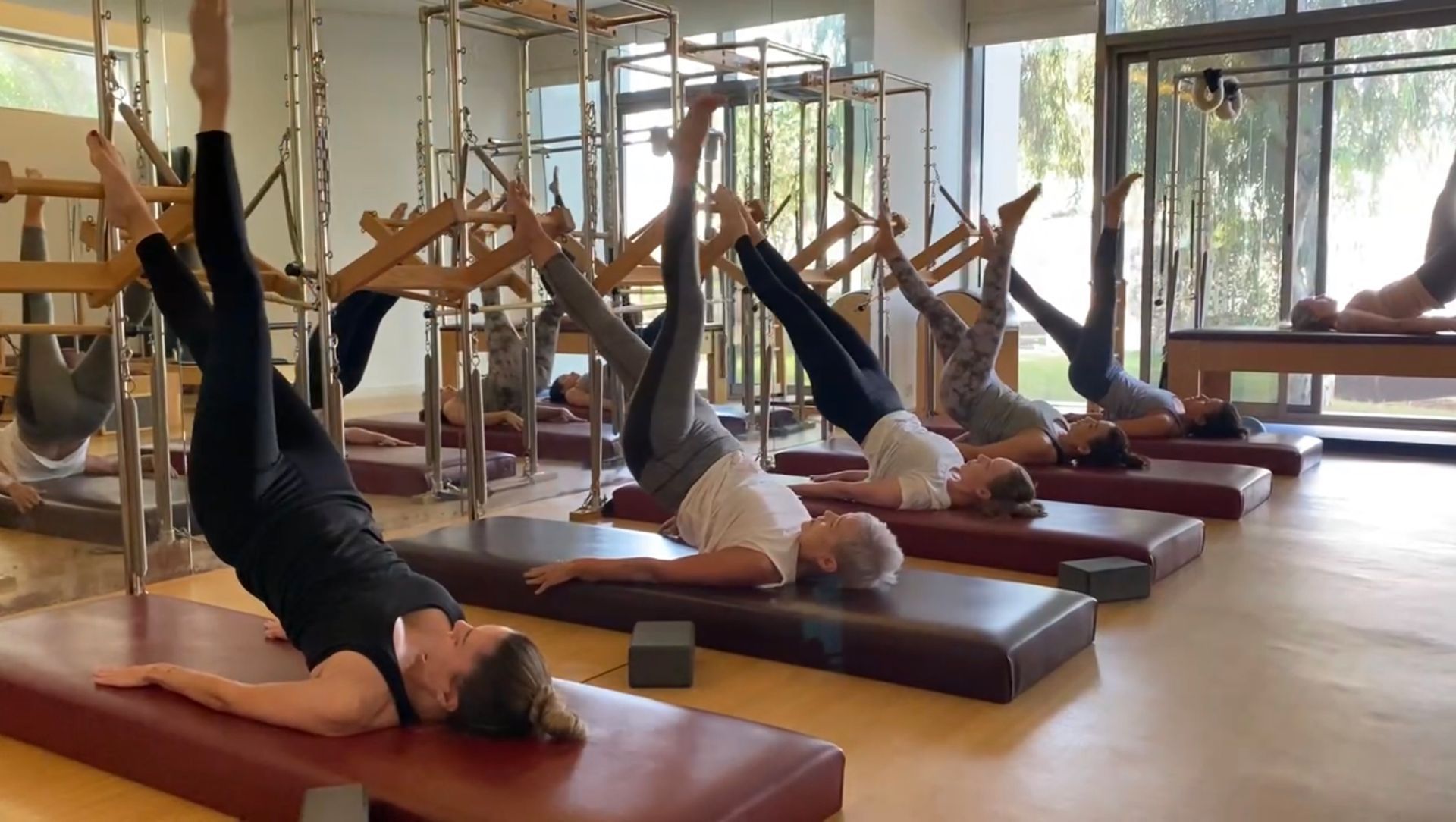
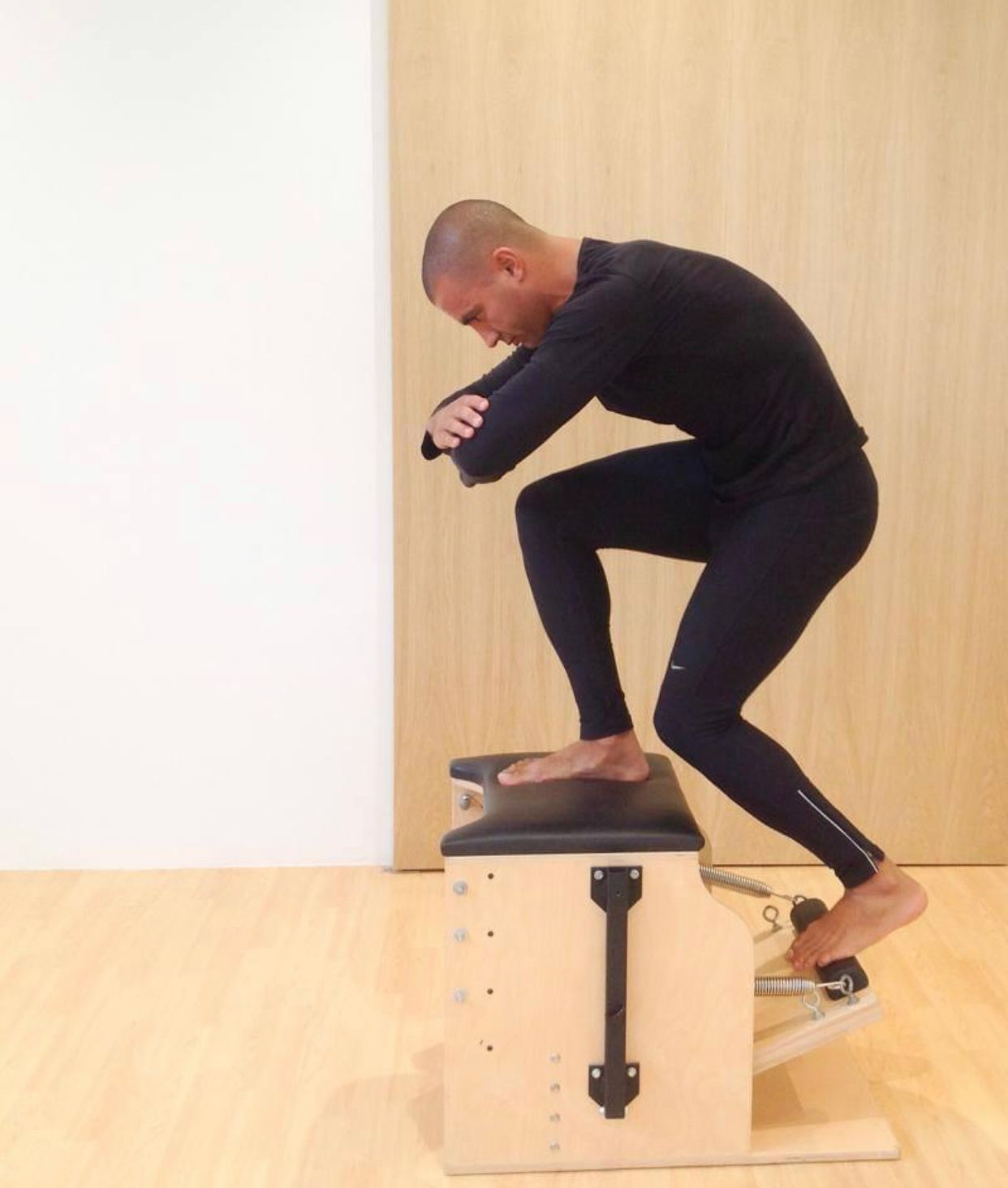
This is why Pilates is so valuable: it teaches you to move within your safe and functional range.
Muscle Fibers and Tissue Quality Matter
Why can two people follow the same stretching routine and get completely different results?
Because flexibility depends on more than muscle length.
Muscle architecture, fiber composition, nervous systm, connective tissue quality, collagen structure, hydration, previous injuries, and training history all influence how the body moves.
Slow-twitch (Type I) fibers support endurance, and postural control (they are easier to stretch ), while fast-twitch (Type II) fibers are designed for strength and power.
Some people are naturally more supple, while others are naturally stronger and more powerful
Two people can have similar muscle length but completely different flexibility because their tissues and nervous systems respond differently.
Gentecally different.
Why We Become Stiffer With Age
Many people notice more stiffness as they get older, especially in the morning.
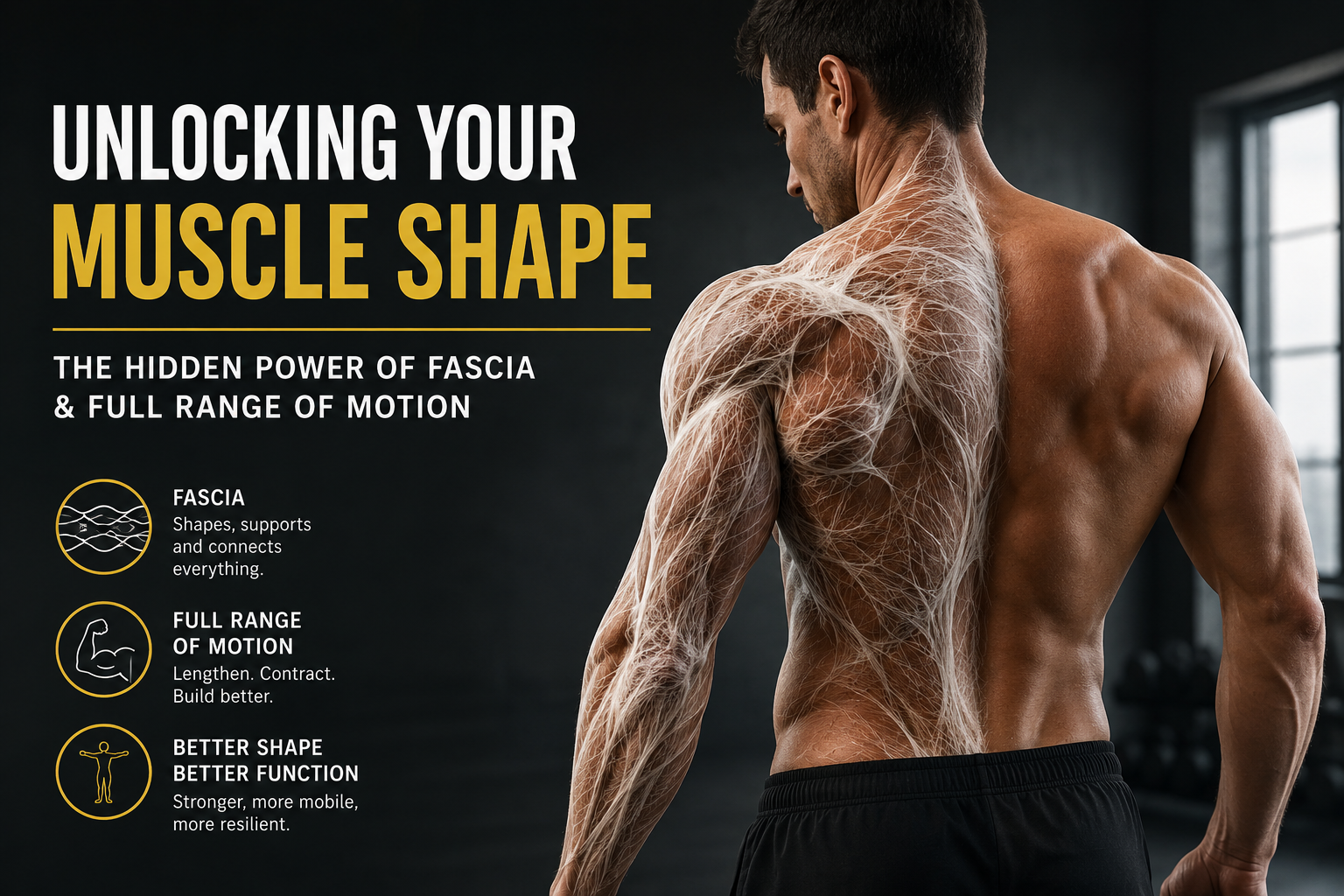
With age, collagen production gradually decreases, and connective tissues such as fascia and tendons may lose some elasticity and hydration.
As we age, we often find ourselves becoming stiffer, with an increase in calcification within our joints and tissues.
Prolonged periods of inactivity can also lead to a decrease in mobility.
Instead of pushing ourselves into deeper stretches, the key is to remain consistently active.
It's essential to prepare the body first before deep stretch: engaging in walking, gentle mobility exercises, breathing techniques, and gradual movements helps to warm up the tissues and enhance our range of motion.
Flexibility Is Also About Relaxation
A flexible body is not simply a stretched body.
It is a body that knows how to contract and how to release.
The nervous system plays a major role in flexibility.
When we experience constant stress, muscles can remain in a protective state.
Breathing becomes shallow, shoulders become tense, and movement feels restricted.
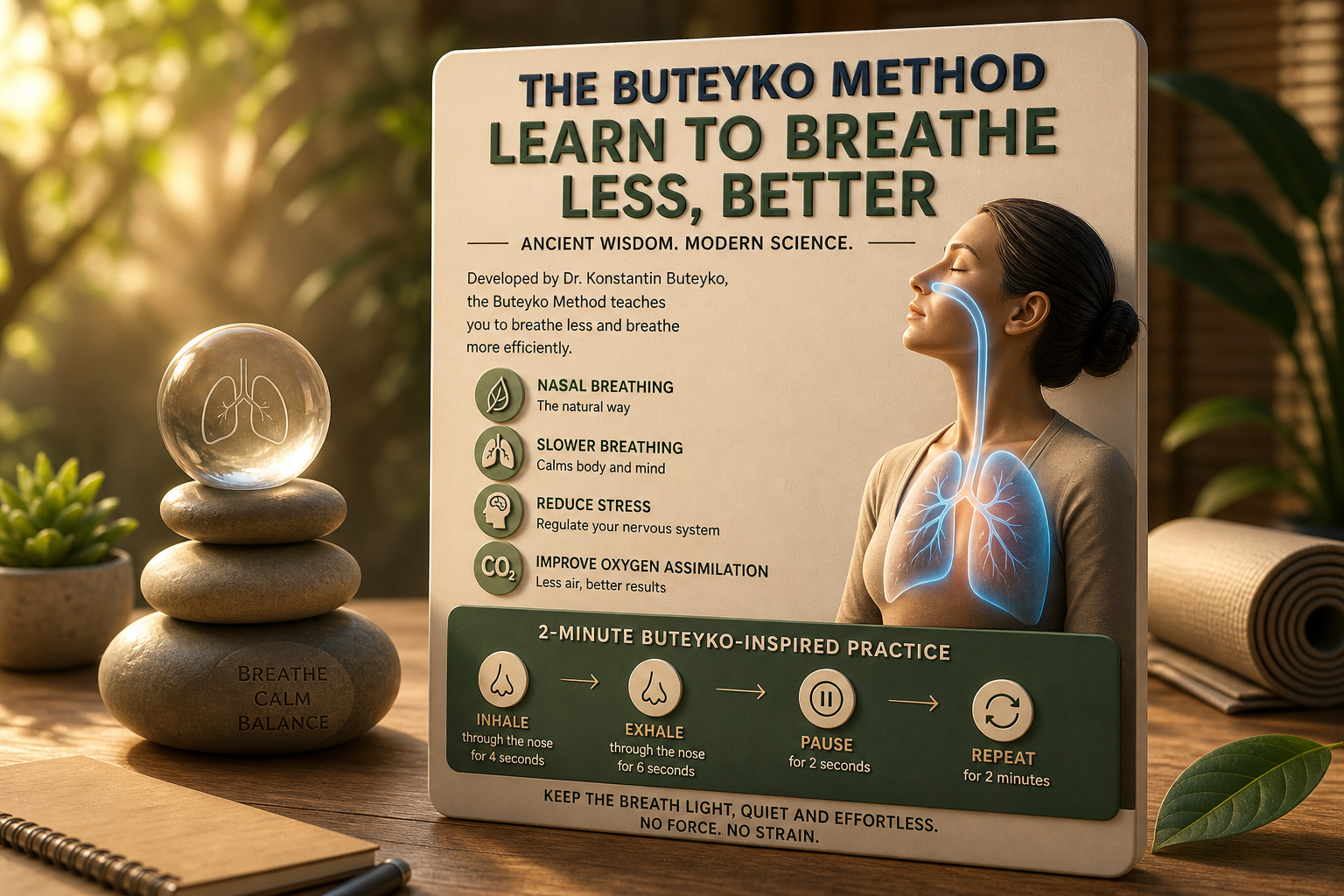
Mastering the art of breathing, relaxing, and moving with awareness enables the body to safely explore a wider range of possibilities.
This is precisely why I’ve included a breathing program on this website; I understand how crucial breathing is for various aspects of your life and overall well-being.
Magnesium plays a crucial role in maintaining normal muscle function by aiding in both healthy contraction and relaxation.
Alongside quality sleep and recovery, it enhances overall muscle balance.
I do take some magnesium supplements from the brand Organic Earth.
Preparing the Body for Better Movement
Before encouraging the body to explore deeper movements, proper preparation is essential.
Foam rolling and self-myofascial release techniques enhance body awareness, boost circulation, and alleviate feelings of stiffness.
Be sure to watch the video that accompanies this blog.
My Approach to Flexibility
For me, flexibility is not about achieving the biggest range of motion or performing impressive positions.
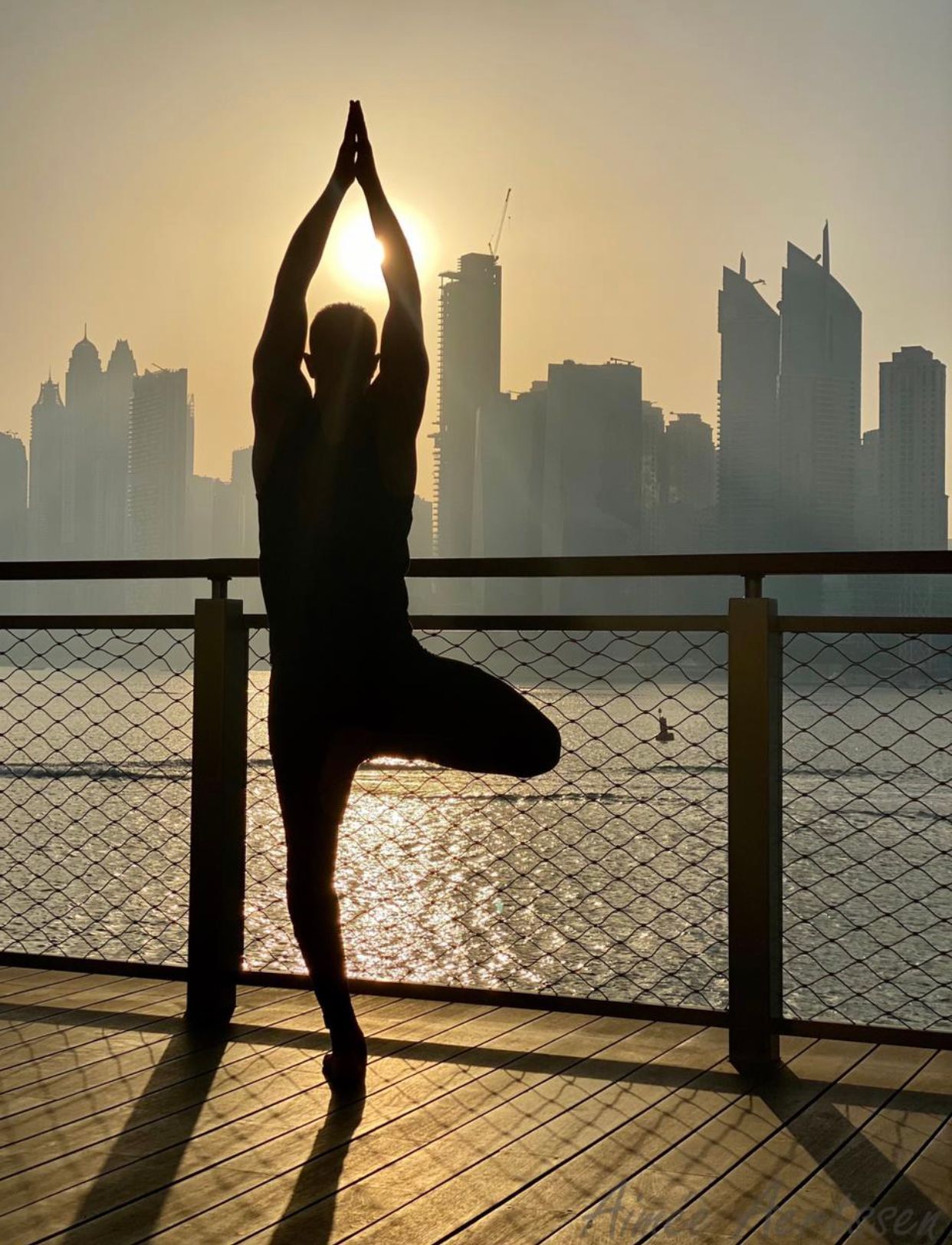
It is about moving with freedom, confidence, and control throughout life.
When you stretch, don’t rush.
Hold each stretch for at least 30 seconds while breathing slowly and allowing the muscles to relax.
If it feels comfortable, staying longer gives the body more time to adapt to gentle, sustained tension.
Flexibility is built through patience, not force.
Listen to your body, practice consistently, and remember:
The goal isn’t to become the most flexible person in the room.
The goal is to move well for life.