Breathe Through Your Nose
Manage Stress and Improve Your Well-Being
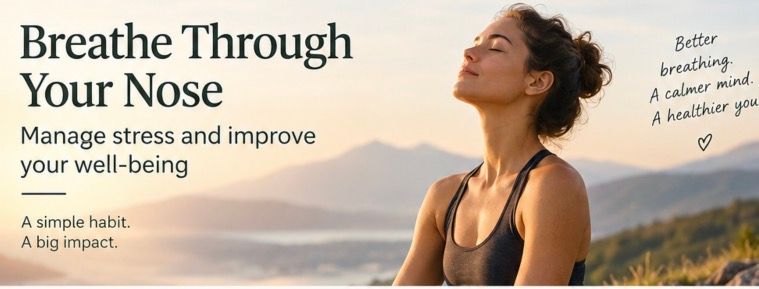
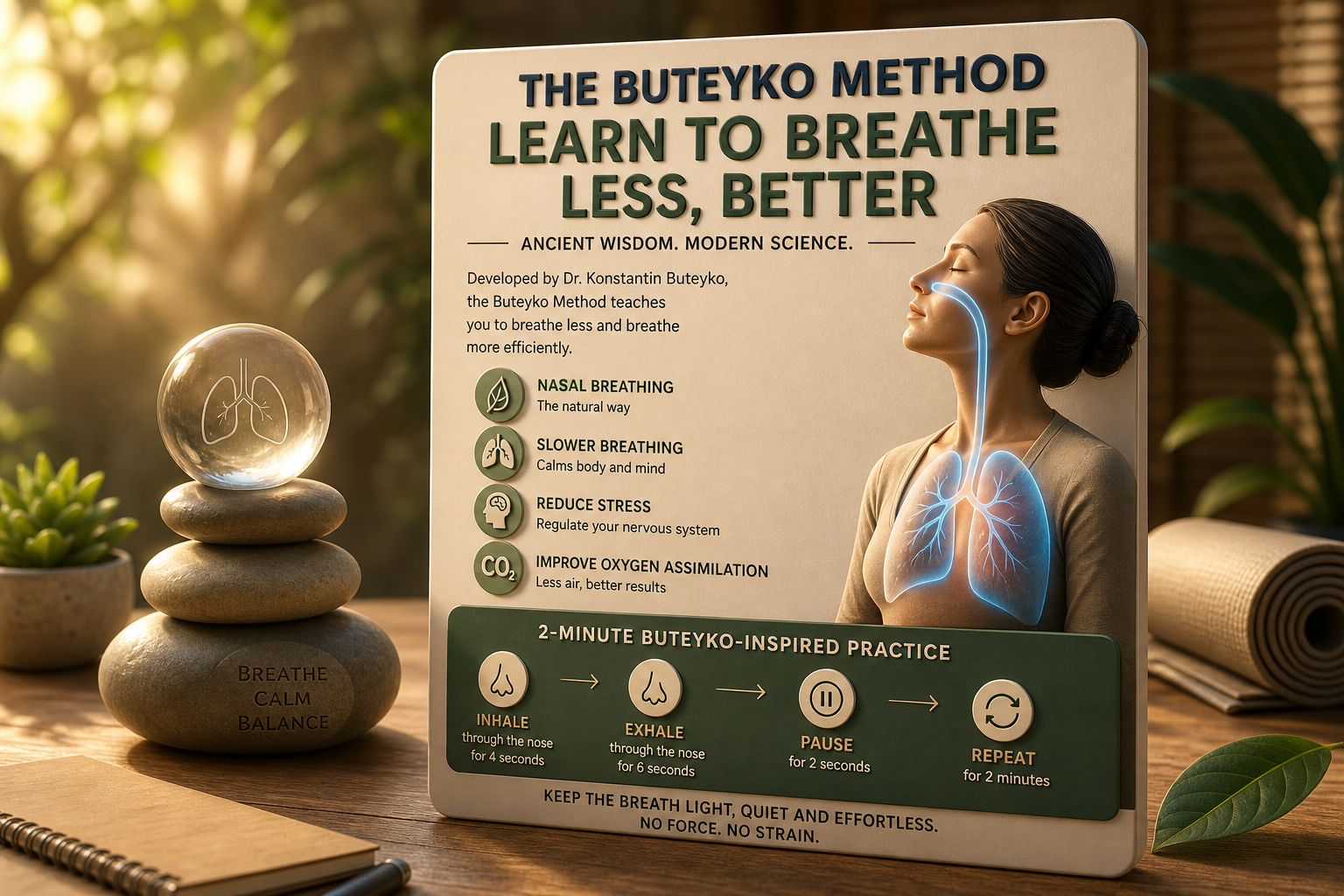
In one of our previous blog, we discussed the significance of breathing through the nose, and this serves as a timely reminder, especially in moments of high stress. Here are two simple techniques to assist you in managing stress and anxiety.
Breathing is an automatic process, yet the manner in which we breathe can significantly impact our emotions, helping us remain calm when faced with challenges, aiding in quick recovery, and supporting restful or physical activity.
The way you breathe reflects your mental state. Your breath shifts when you experience happiness, hunger, fatigue, anger, and more.
Learning to breathe consciously is a simple way to reconnect with your body and support your well-being.
Why breathe through your nose?
Your nose functions to filter, warm, and humidify the air before it enters the lungs. It also produces nitric oxide, which is delivered to the lungs during nasal breathing. This nitric oxide not only eradicates microbes but also acts as a smooth muscle vasodilator and bronchodilator, aiding in the relaxation of blood vessels and the expansion of airways, thereby improving oxygen exchange and enhancing local immune response.
Nasal breathing activates the parasympathetic nervous system, which supports the "rest and digest" state. So you feel calmer and more relaxed over the day
How Nasal Breathing Engages the Parasympathetic System
Slower, Deeper Respiration: Breathing through the nose naturally reduces your breathing rate and promotes diaphragmatic (belly) breathing, which mechanically stimulates the vagus nerve to signal relaxation.
Nitric Oxide Production: The nasal passages generate nitric oxide, a gas that dilates blood vessels, enhances oxygen absorption, and aids in lowering blood pressure and heart rate.
Cardiovascular Response: Research indicates that nasal breathing at rest significantly reduces blood pressure and shifts the autonomic nervous system towards a more tranquil state compared to mouth breathing.
Stress: When your body never gets a break
Short-term stress can protect us, energise us and sharpen our focus. Chronic stress is different.
When the stress response is activated repeatedly without enough recovery, it can affect our physical and mental health.
Modern life constantly challenges our nervous system: work pressure, exams, relationships, emotional distress and even heavy traffic.
Our lifestyle has changed dramatically from our ancestors , but our basic fight-or-flight response remains.
Stress can trigger physiological reactions similar to those involved in responding to physical danger.
The problem is not stress itself, but living in a constant state of alert without enough recovery.
Some individuals turn to smoking and drinking alcohol as a means to unwind, believing it provides temporary relief.
However, consistently relying on these habits can make you dependent even addict.
Both drinking and smoking negatively impact our overall well-being.
Instead, focus on cultivating healthier methods to cope with stress, such as engaging in physical activity, practicing mindful breathing, ensuring adequate sleep, and recovery.
Become aware of your breathing
Observe your breathing when you wake up, feel anxious or angry, experience emotional distress, or recover after exercise.
Is it fast or slow? Deep or shallow? Are you breathing through your nose or mouth?
At rest, nasal breathing is generally preferable when comfortable.
Mouth breathing can be normal during vigorous exercise.
Awareness is the first step towards changing an unconscious habit.
Box breathing: Regain calm and focus
Used in military and tactical training contexts, box breathing can help manage stress and maintain focus. It may be useful before an exam, presentation, meeting or competition.
How to practise:
- Inhale through your nose for 4 seconds.
- Hold for 4 seconds.
- Exhale for 4 seconds.
- Hold for 4 seconds.
Repeat for 4–6 cycles, taking around 1–2 minutes. If comfortable, gradually build up to 5 minutes.
The 4-6-8 technique: Prepare for sleep
if You have difficulty to sleep, try this
A longer, gentle exhalation can encourage relaxation.
- Inhale through your nose for 4 seconds.
- Hold for 6 seconds.
- Exhale slowly for 8 seconds.
Start with 3–4 cycles, increasing to 4–6 if comfortable. Never force your breath or hold it uncomfortably. You can shorten the holds or simply lengthen your exhalation.
My personal experience
I've always sensed that I was a person prone to anxiety.
I grew up in a family where stress was often part of everyday life.
People might have seen me as calm, but inside, my mind was often full of doubts and worries.
I’ve always tried to work on myself and find ways to feel more at peace.
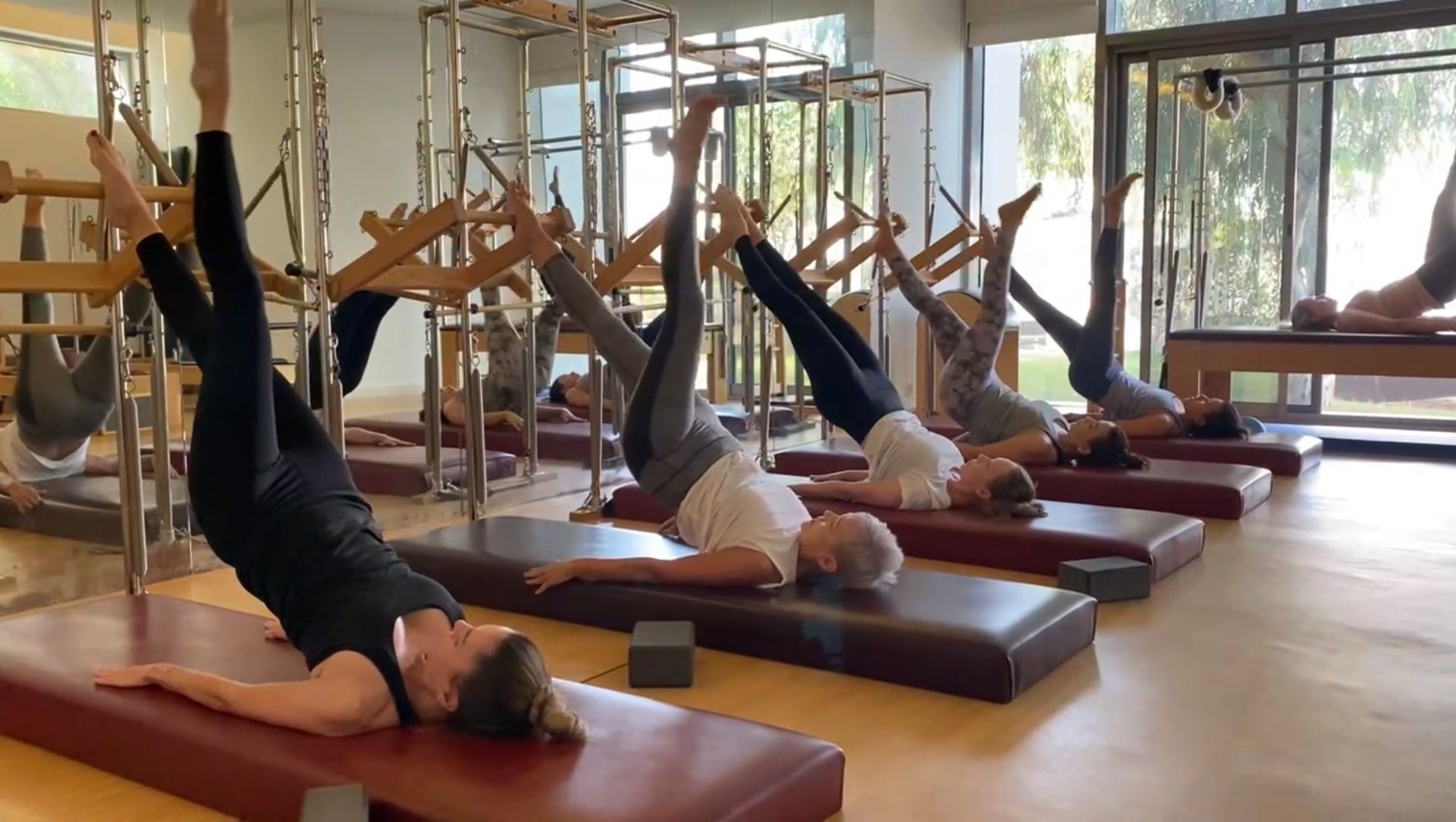
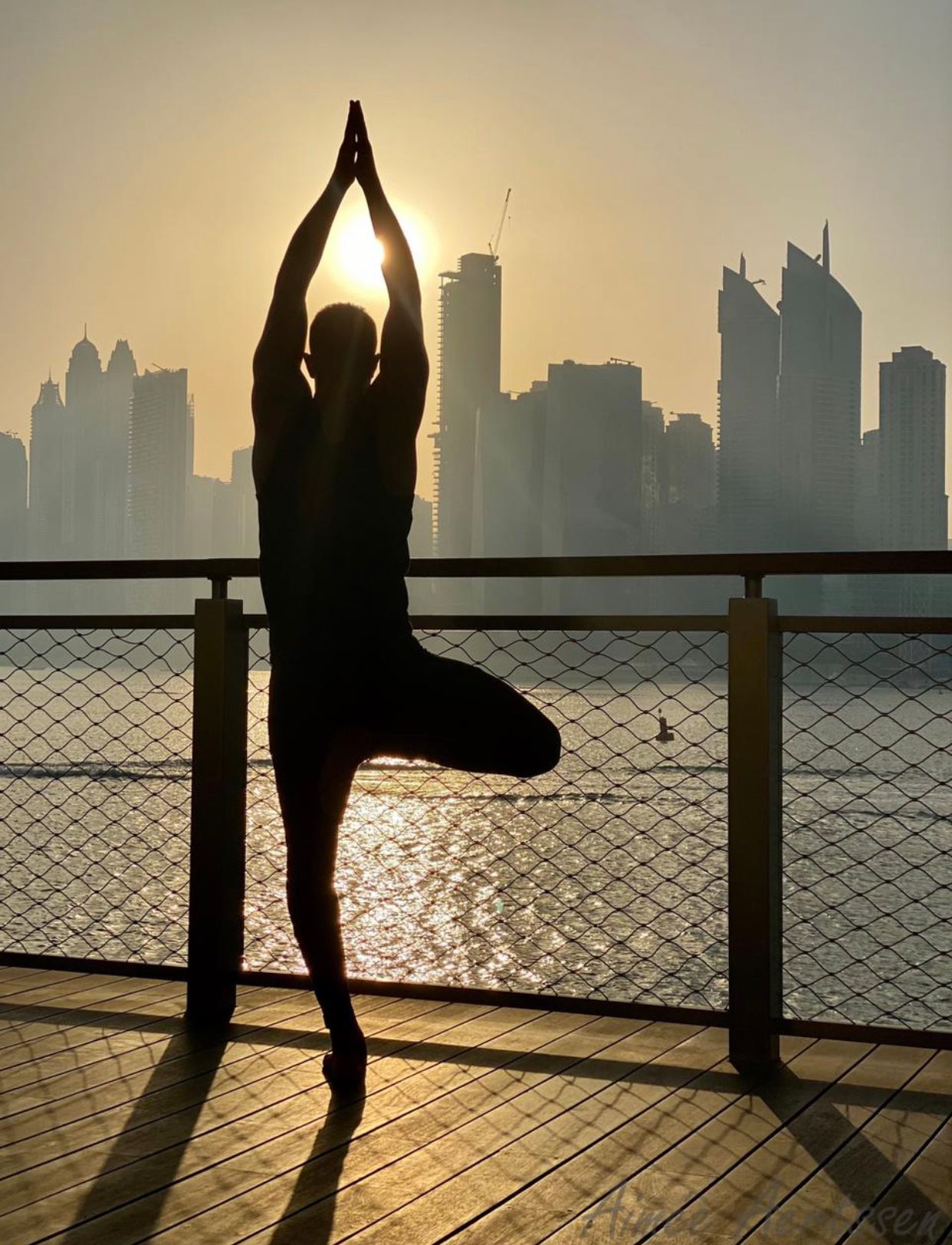
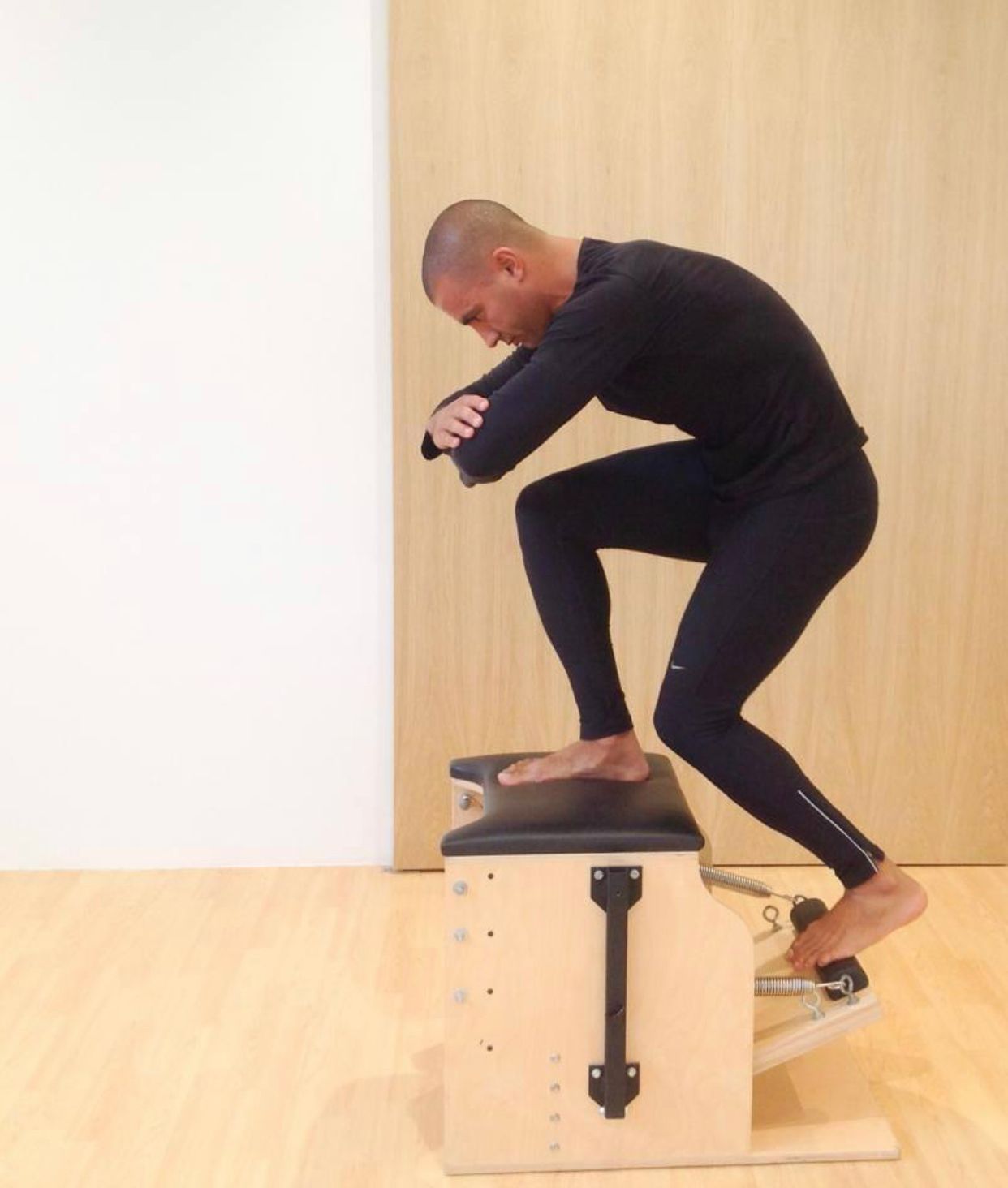
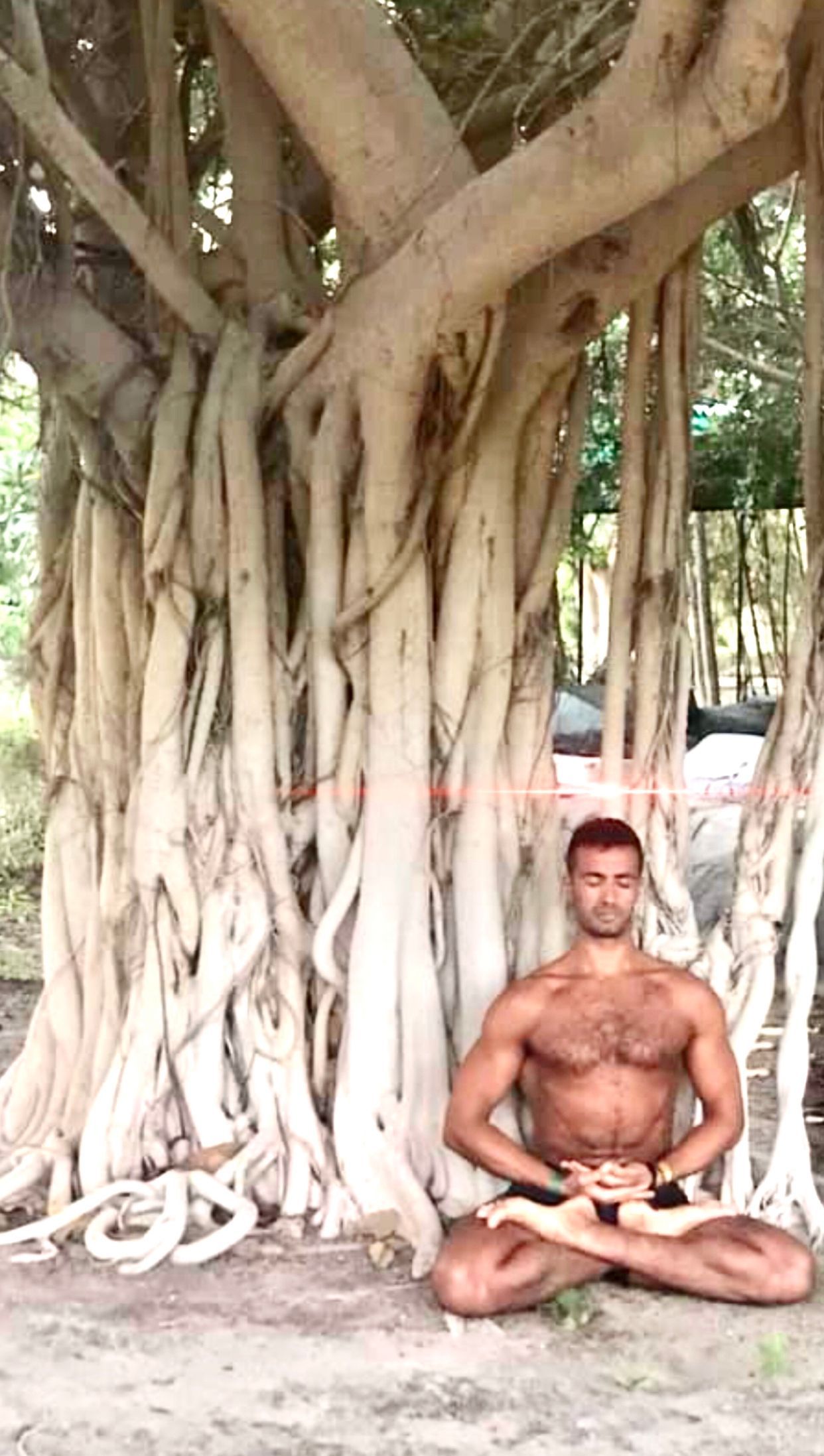
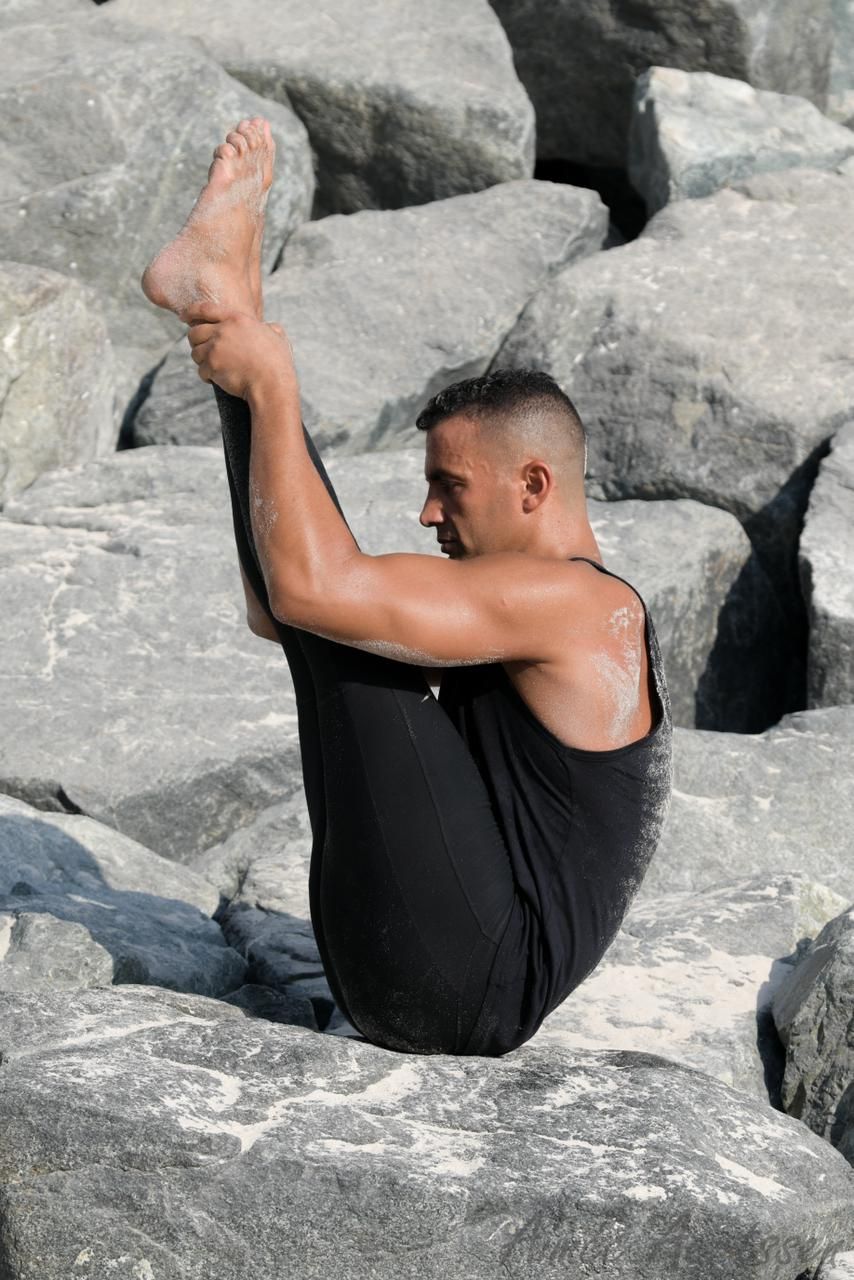
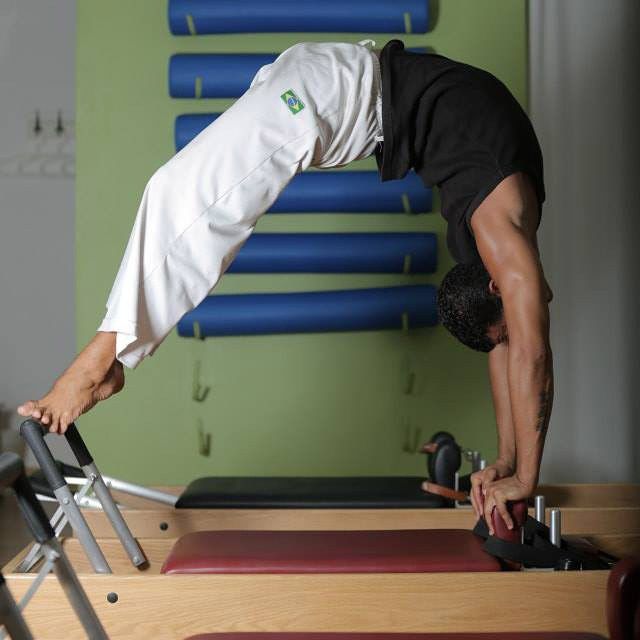
Engaging in sports allowed me to concentrate on the positive aspects of life, and gradually, techniques like pranayama, yoga, Pilates, and meditation emerged as vital instruments for my well-being.
Regular breathing exercises is the most essential tool for maintaining peace, tranquility, and focus.
Being aware helps to recalibrate when we get overwhelemd by stress, enabling us to breathe calmly through our noses as frequently as we can.
Final thought
You cannot eliminate every source of stress, but you can learn to respond to it differently.
Move your body. Breathe consciously. Make time to recover.
Your awareness is a gift. Your breath and movement are tools.
A better world starts with the work we do within ourselves.
An important health reminder
If stress or anxiety becomes difficult to manage, consult your doctor or a qualified healthcare professional. Before taking medication to calm yourself down, always seek medical advice. Never self-medicate or stop prescribed medication without professional guidance.