Flat belly-Visible Abs: The Truth Behind a Strong Core

Everyone wants visible abs, but very few people understand what it really takes to achieve them.

The truth is simple:

Visible abs are not built by doing hundreds of crunches. They are the result of a healthy lifestyle, intelligent training, and consistent nutrition.

Start with Nutrition

If you are healthy and have no medical contraindications, intermittent fasting can be an effective tool to help reduce unnecessary calorie intake and improve metabolic health.


I fast twice a week, mostly intermediate fasting. However, the real priority is eating high-quality, nutrient-dense foods while avoiding unnecessary calories from ultra-processed products and constant snacking.

Remember:

 Fasting is only a tool, not the goal, so you should stay away from poor nutrition.

Build a Strong Metabolism

A lean body is created by combining nutrition with movement.

Your training should include:

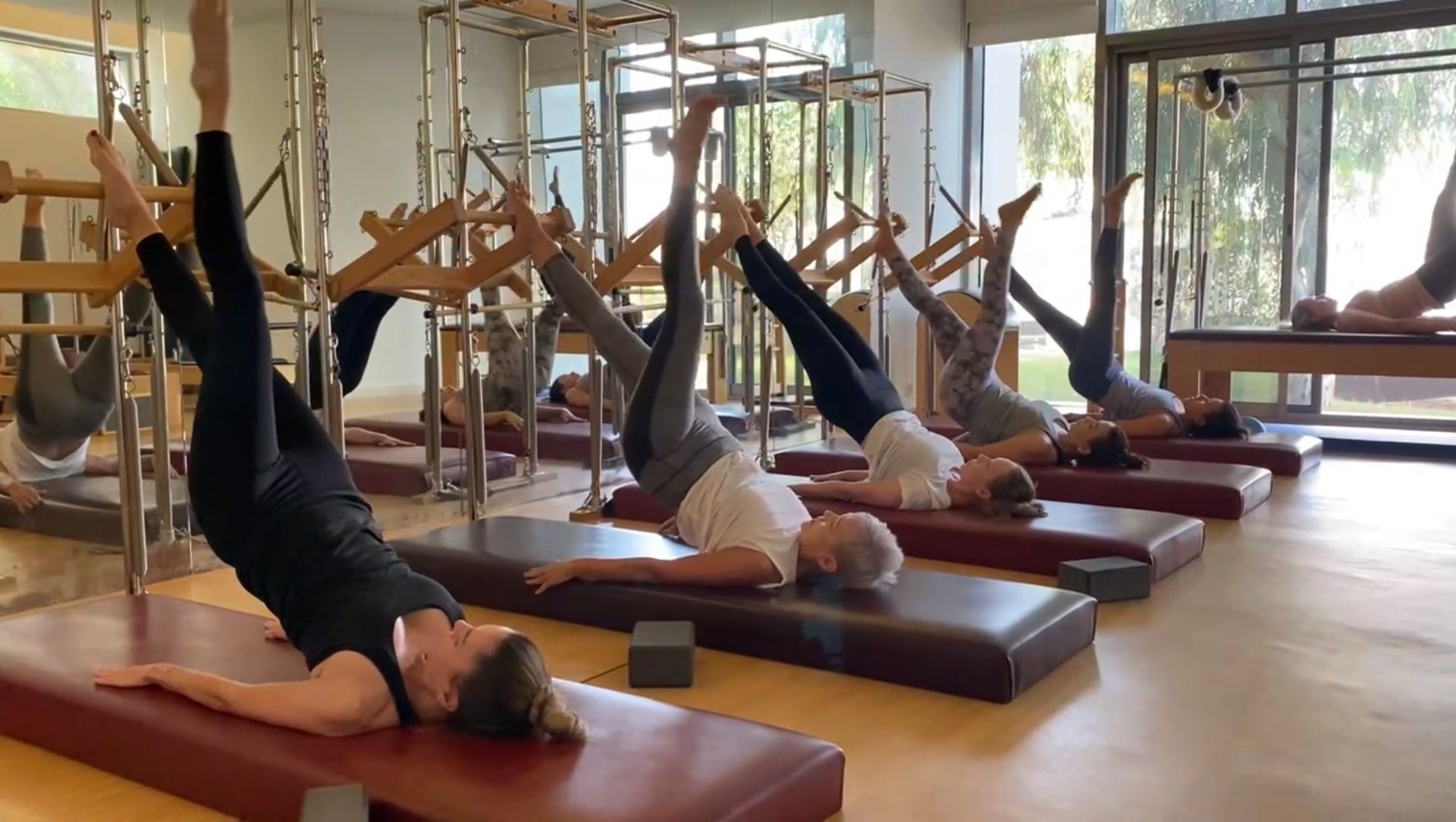
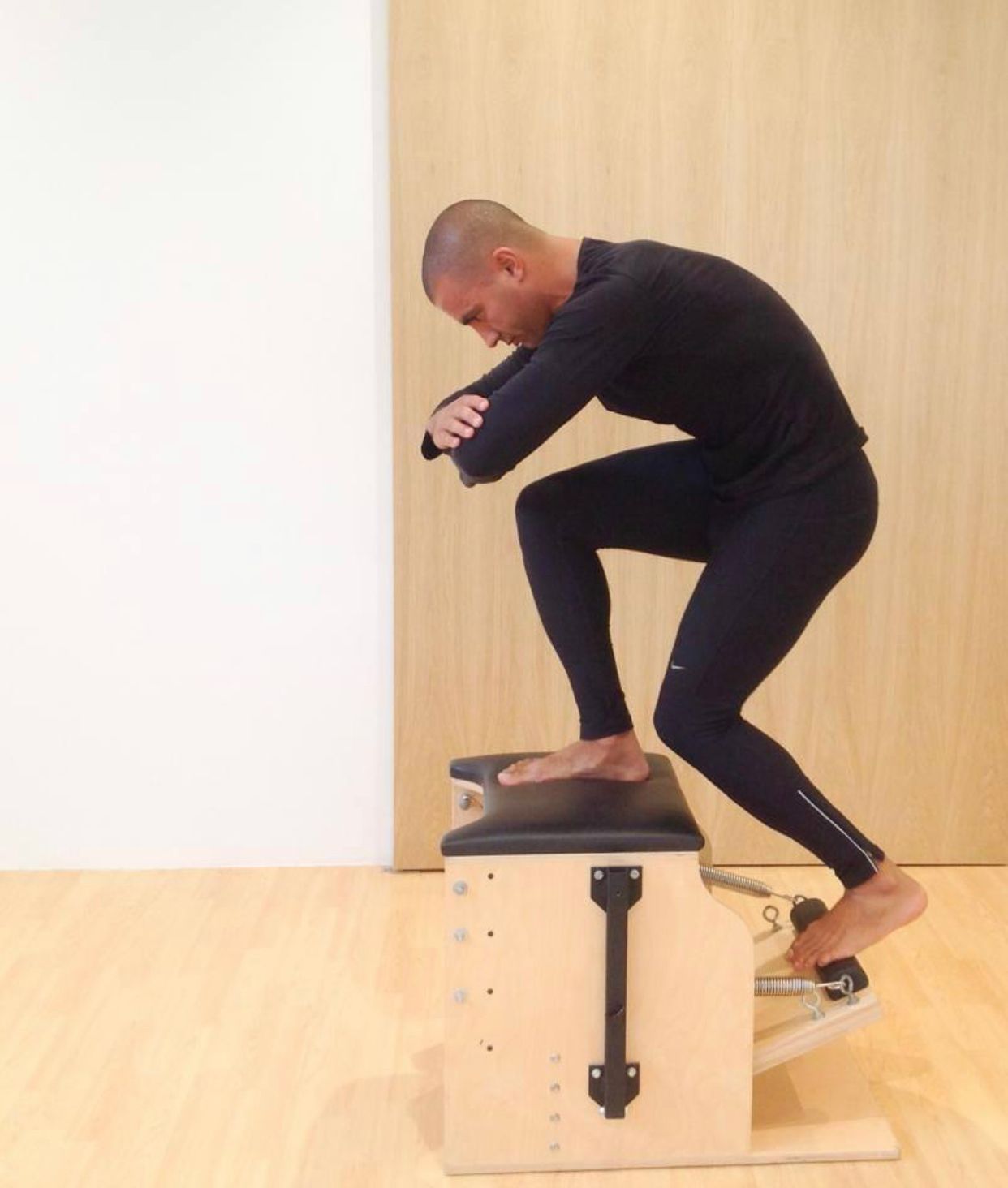
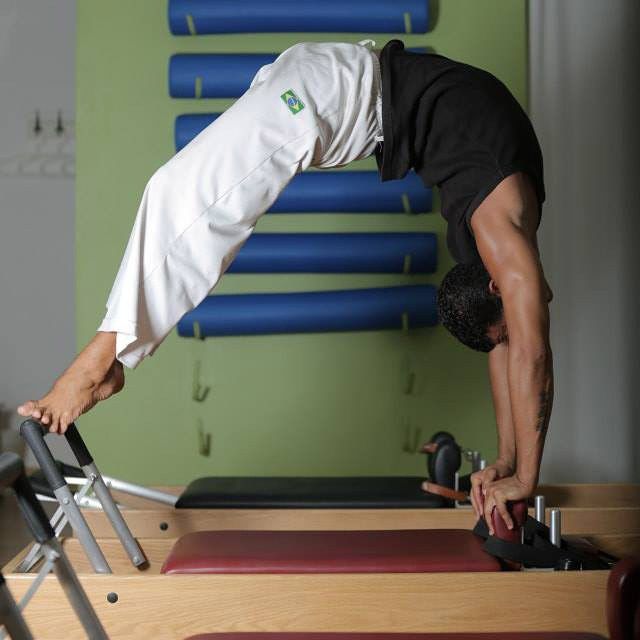
  • Pilates to strengthen the deep core.
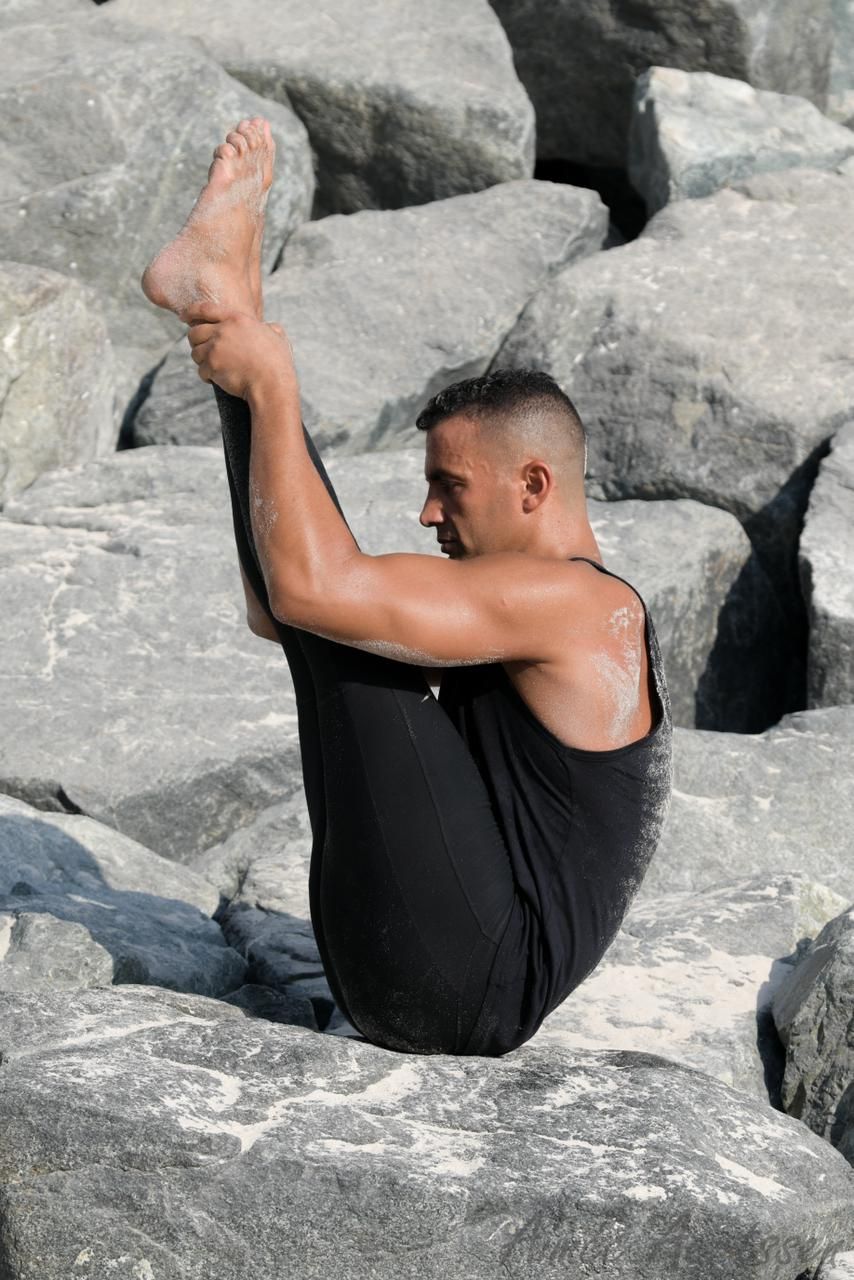
  • Bodyweight and functional strength training to develop the superficial abdominal muscles.
  • Cardiovascular exercise to improve endurance and increase energy expenditure.

I like to combine strength exercises with short rest periods (less than 30 seconds when appropriate) to keep the heart rate elevated and make the session more metabolic. Forcing the body to use fat as a source of energy.

If you allow the body to rest for too long between session, you will use mostly carbs as a fuel.


After your strength or Pilates session, finish with cardio such as:

  • Cycling
  • Swimming
  • Rollerblading
  • Brisk walking
  • Running, if your body is ready

Interval training is also an excellent way to improve cardiovascular fitness and support fat loss.

Train the Entire Core

Your core has two important systems.

Pilates develops the deep muscles, especially the transverse abdominis, which acts like your body’s natural corset.

These muscles support your spine, improve posture, protect your lower back, and help create a flatter waist.

Bodyweight and resistance training develop the superficial abdominal muscles—the visible “six-pack” or “eight-pack.”

These muscles become more defined as your body fat decreases.

For the best results, train both.

A strong-looking core without a strong deep core can still lead to poor posture and back pain.

Consistency Beats Intensity

Many people train hard but overlook the fundamentals.

If you spend too much time resting between sets, train without purpose, watch constantly your phone while training, sleep poorly, or eat more calories than your body needs, your results will be limited.

Respect your training:

  • Stay focused.
  • Keep your sessions moving.
  • Recover properly.
  • Sleep well.
  • Eat quality food.

Most importantly, be consistent.

Follow the Plan

Follow the core training videos, pay attention to your nutrition, and trust the process.

A lean body and visible abs are not achieved in a few weeks.

They are the result of hundreds of small decisions made every day.


Eat well. Move daily. Recover properly. Stay consistent.

Watch the video, join me, and let"s train together

By Martial wahid Tebarki • October 30, 2026
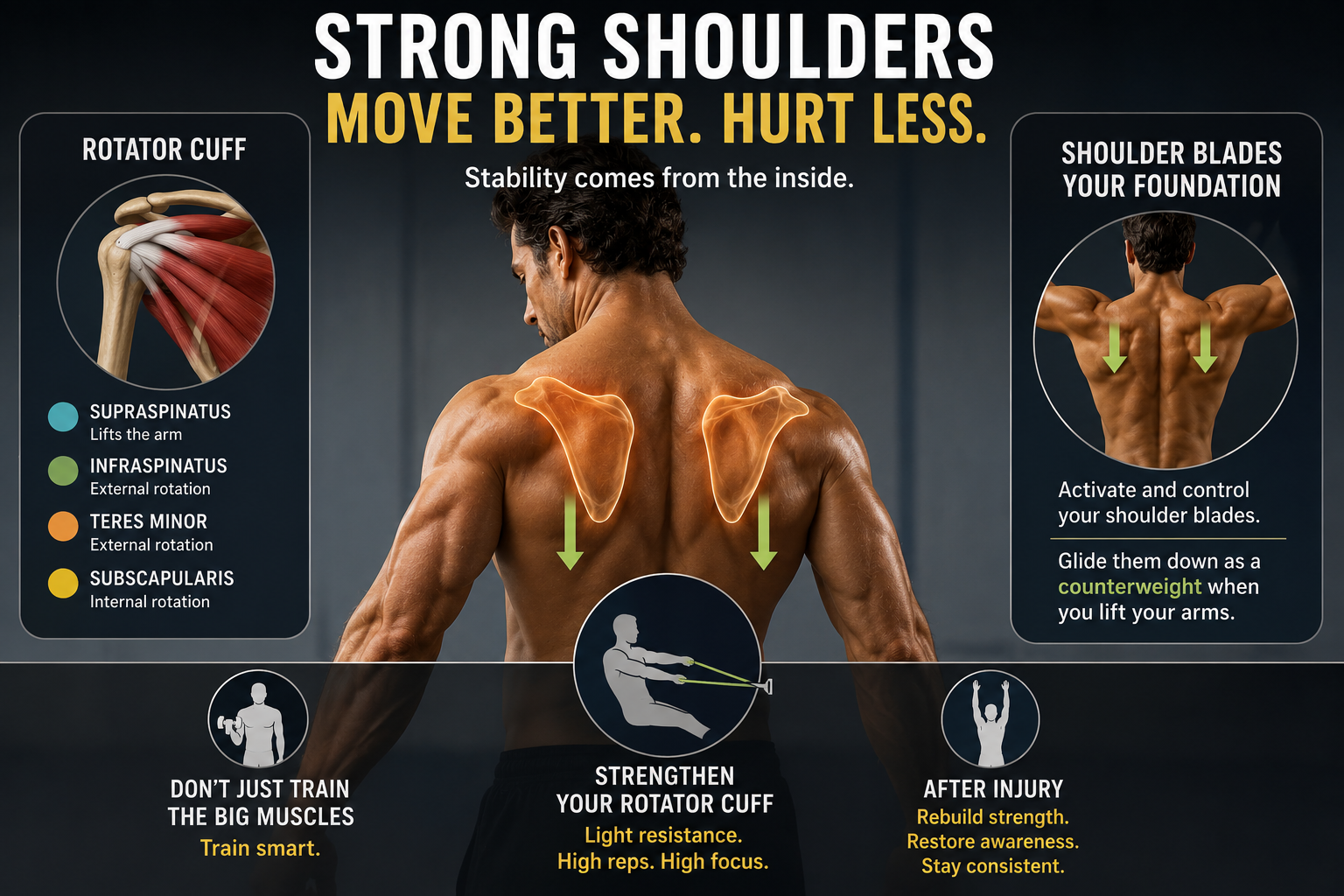
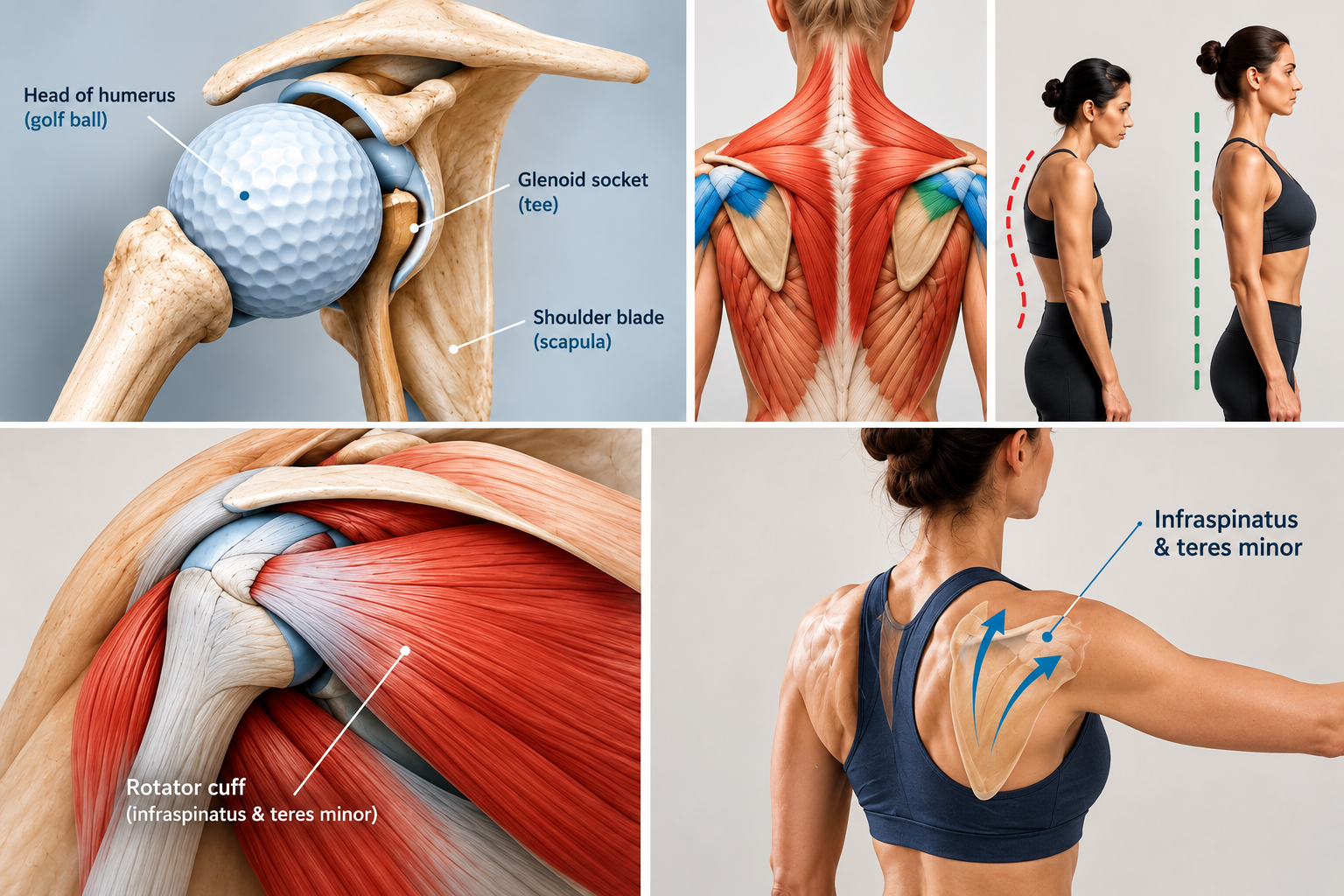
Strong Shoulders Start at the Shoulder Blades: Improve Stability, Support Your Neck and Build Better Posture 
By Martial wahid Tebarki • October 23, 2026
Breathe Through Your Nose  Manage Stress and Improve Your Well-Being
By Martial wahid Tebarki • September 18, 2026
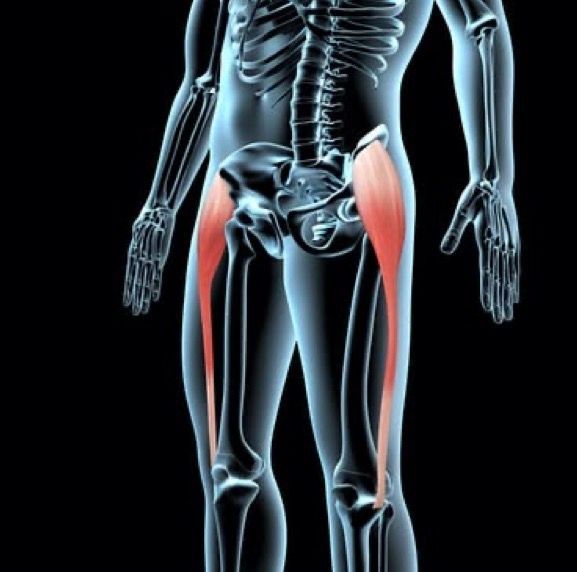
The TFL: The Pain Is Often a Sign, Not the Cause
By Martial wahid Tebarki • August 30, 2026
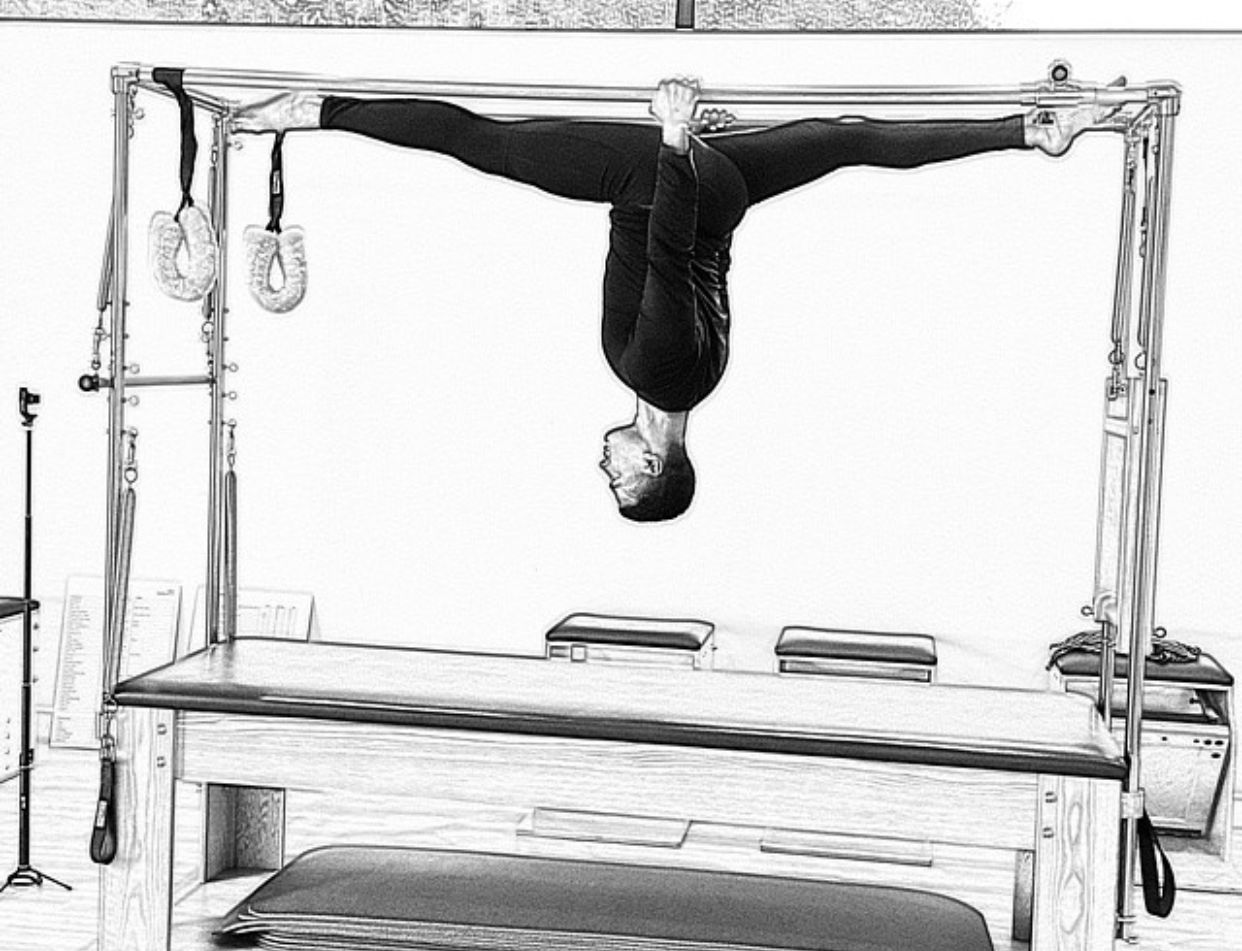
The Shoulder: Maximum Mobility Needs Maximum Stability
Person hanging upside down from a metal frame above a wooden table in a black-and-white studio photo
By Martial wahid Tebarki • August 3, 2026
Beyond the Bend Why Flexibility Isn’t Just About Stretching
Person with glowing digestive tract illustration surrounded by healthy foods and a green smoothie
By Martial wahid Tebarki • July 23, 2026
Feed Your Gut, Not Your Cravings
By Martial wahid Tebarki • June 29, 2026
How I Stay Healthy, Energetic, and Youthful: My Personal Approach to Longevity
By Martial wahid Tebarki • June 1, 2026
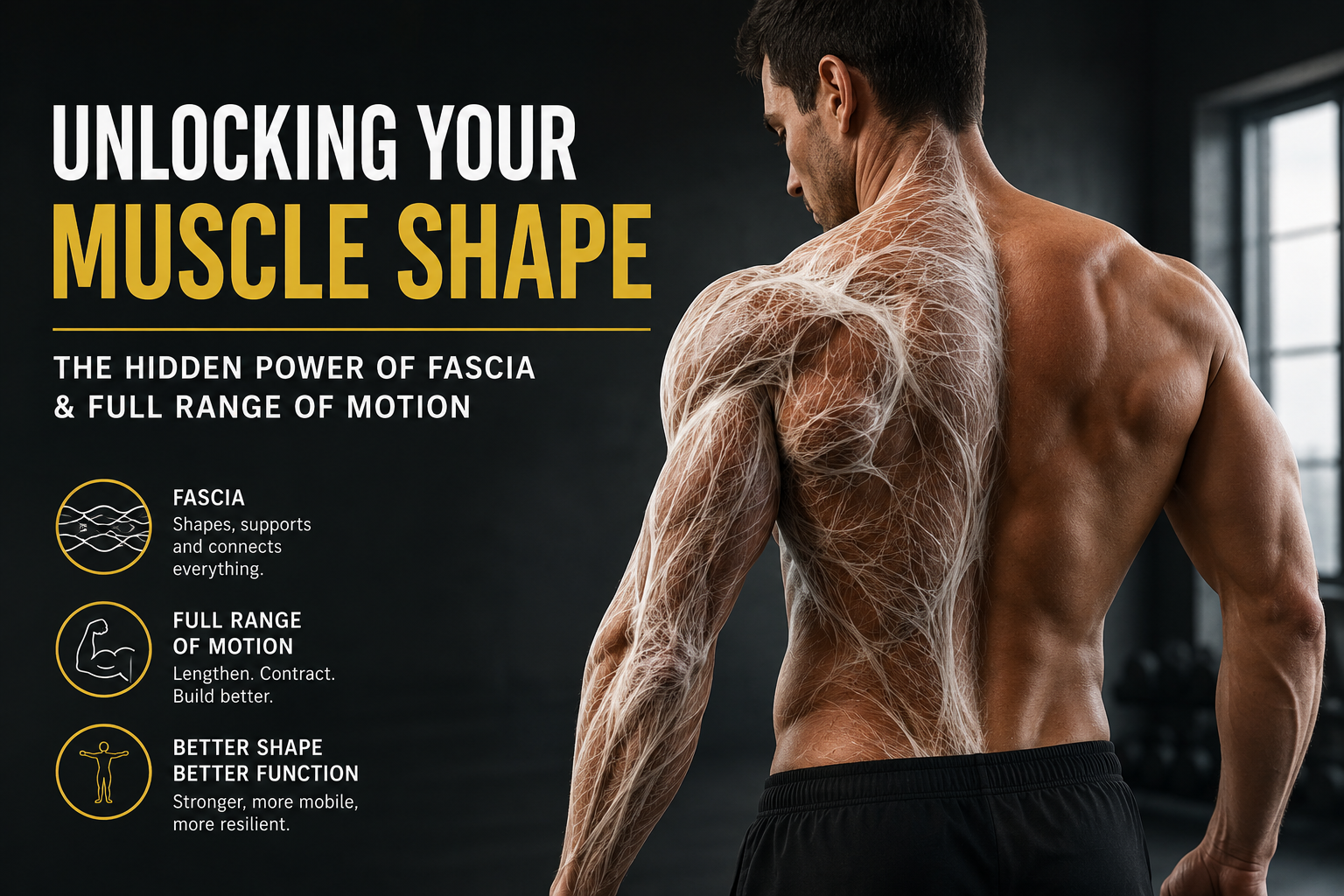
Unlocking Your Muscle Shape The Hidden Role of Fascia and Full Range of Motion
Buteyko Method poster with breathing tips, stacked stones, and a woman illustration in a calm spa setting
By Martial wahid Tebarki • May 1, 2026
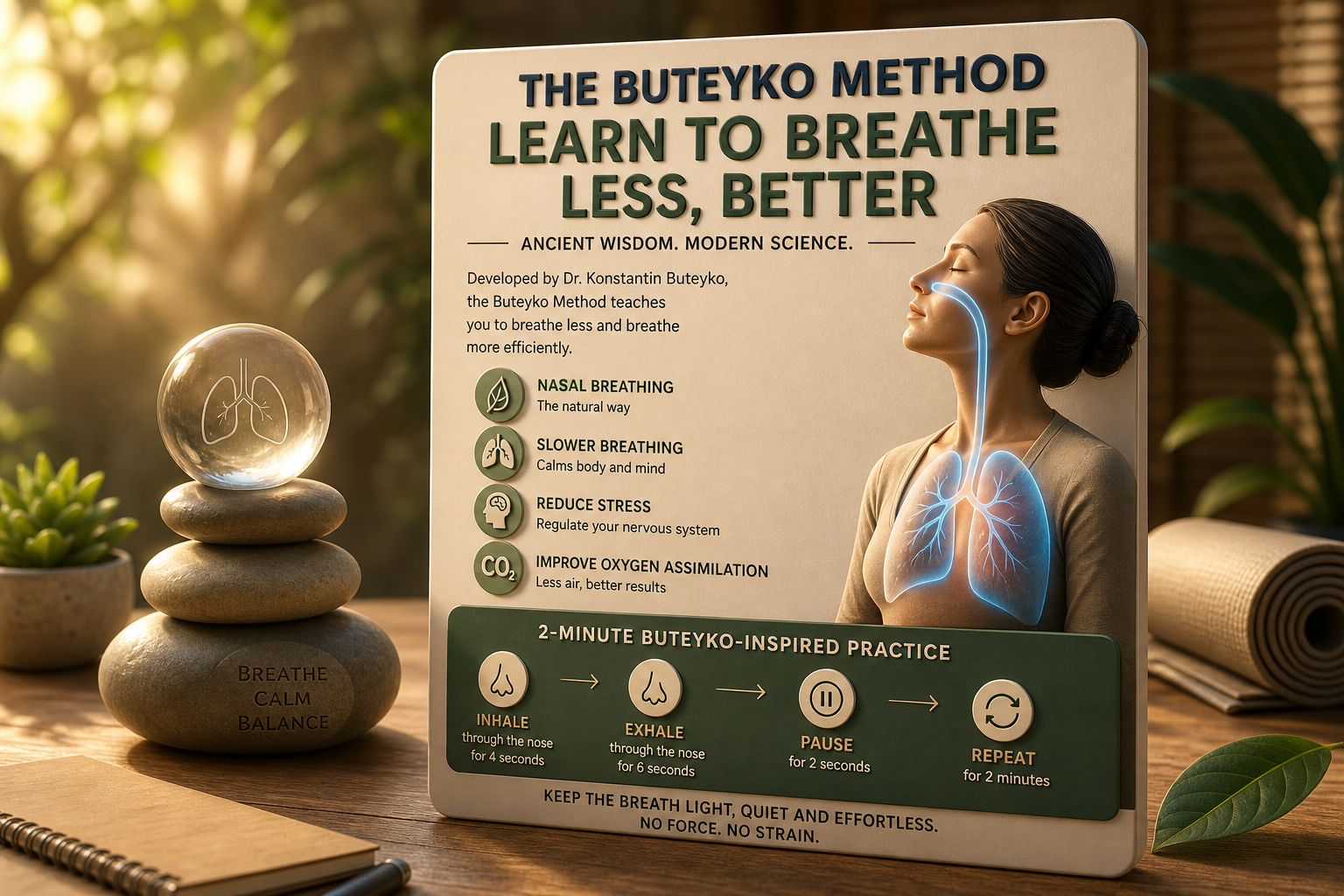
The Buteyko Method: Learn to Breathe Less, Better
Infographic of citrus water with mint in a glass bottle, text: “Hydration isn’t a task, it’s a daily ritual.”
By Martial wahid Tebarki • April 26, 2026
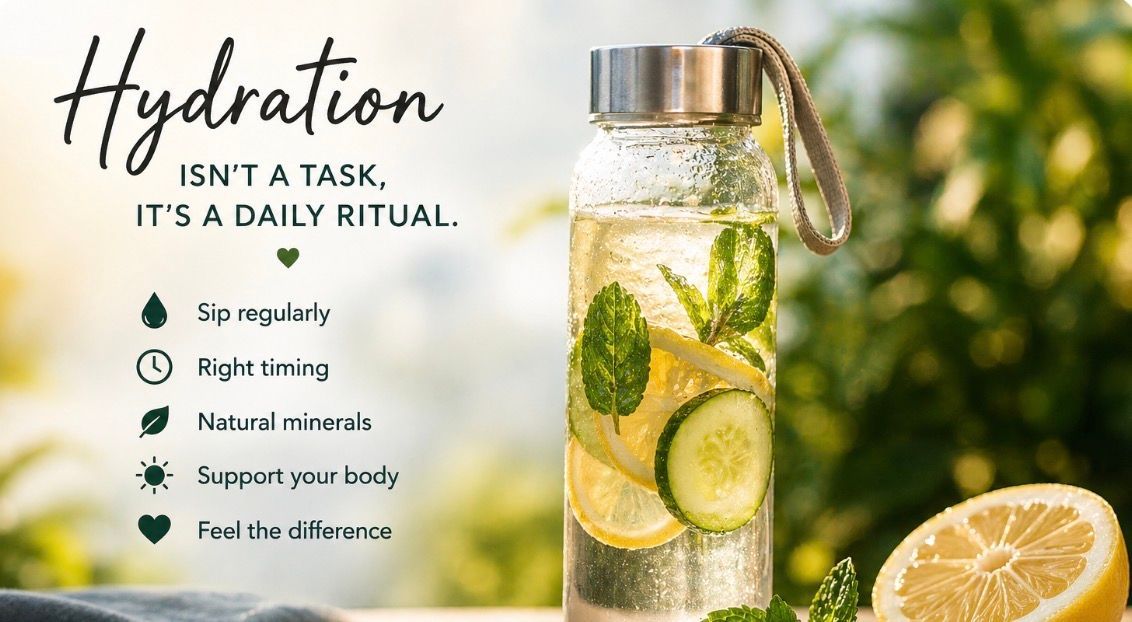
Why drinking more water doesn’t always mean better hydration Most people believe that the more water they drink, the more hydrated they become. In reality, hydration is less about quantity and more about how well your body absorbs and uses water. Your body processes water gradually. Drinking large amounts at once often means the excess is quickly eliminated through urine, sometimes along with valuable minerals needed for fluid balance. This is why many people drink plenty of water and still experience signs of dehydration. The principle is similar to breathing: more isn’t always better. You don’t oxygenate your body by taking huge breaths, what matters is efficient exchange in the lungs. Hydration works the same way: steady, efficient absorption matters more than excess intake. Drink smarter Sip small amounts regularly throughout the day Start the morning with room-temperature water Avoid chugging large quantities all at once Support hydration with natural minerals and electrolytes Why temperature matters Ice-cold water may feel refreshing, but it’s not always ideal for digestion. Your stomach and intestines rely on smooth rhythmic contractions — Peristalsis — to move food and fluids efficiently. Very cold water can temporarily tighten these muscles and, in sensitive people, create heaviness, cramping, or digestive discomfort. ( If your kids are complaining about stomach pain, look at what they are dinking to rehydrate...) Your body also needs to warm very cold water before efficiently processing it, so this is a waste of energy. It is tiring your body unnecessarily. Room-temperature or slightly warm water is often easier on the body and gentler on digestion. Timing matters When you drink matters too. Hydrating between meals is often ideal. Drinking large amounts during meals may reduce the quality of your digestion by diluting gastric contents, which can make digestion feel heavier. A simple rhythm: Drink regularly through the day Hydrate before meals Resume after eating Avoid waiting until intense thirst appears When dehydration quietly happens Remember, you lose water constantly, often without noticing, especially: After sleep After exercise Sauna / heat exposure Alcohol High sugar intake Chronic stress Mouth breathers, or if you speak for hours ( teachers..) Long sun exposure Dry wind (which increases evaporation and respiratory water loss) Hydration should be continuous, not occasional. My personal hydration ritual I carry my water bottle with me everywhere. It has become part of my rhythm, not because I force myself, but because I know the body thrives on steady hydration. I often enrich my water naturally with: Fresh lemon A tiny pinch of mineral-rich salt Cucumber, mint, ginger a nd other natural blends I personally use, I’ll share the link on our what'sapp community I also like to drink coconut water as it hydrates very well the body For me, water is not just something to drink. It is daily nourishment for every cell in the body. Hydration is not about drinking more It’s about drinking better:
right amount, right timing, right temperature, right balance.