By Martial wahid Tebarki
•
December 19, 2025
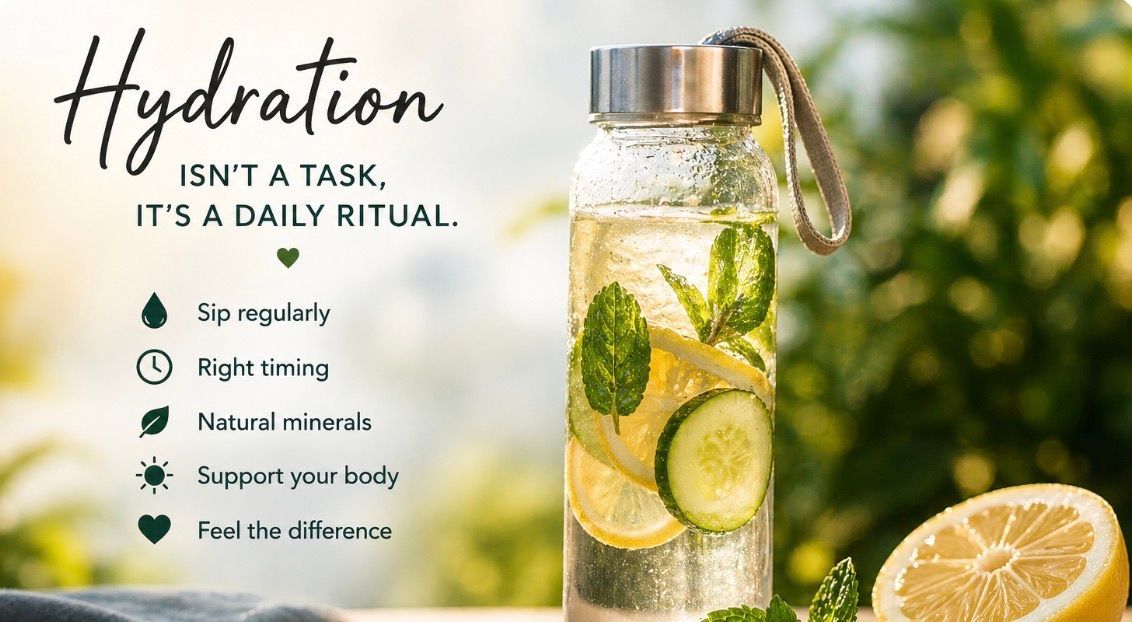
For thousands of years, humans living in some of the world’s harshest environments developed intelligent, natural ways to stay hydrated. Long before sports drinks and supplements existed, ancient cultures understood how to support endurance, clarity, and survival through food and water. One of the most powerful examples of this wisdom is chia seeds mixed with water . Today, with busy routines, constant air-conditioning, caffeine, stress, and poor hydration habits, this ancient practice is more relevant than ever. Ancient Tribes & the Power of Chia Nomadic tribes living in extreme climates relied on gel-forming seeds to survive long journeys under intense heat. While chia is native to the Americas, the principle was universal: seeds that absorb water, slow digestion, and release hydration gradually. In Central America, the Aztecs, Mayans, and Tarahumara (Rarámuri) used chia water. The Tarahumara, legendary endurance runners, relied on this drink for ultra-long distances. Chia became known as “the running food” because it: Hydrated efficiently Provided steady energy Supplied minerals naturally This tradition is beautifully described in " Born to Run by Christopher McDougall", a book I truly enjoyed reading. Why Chia Hydrates Better When soaked in water, chia seeds form a gel due to their soluble fiber. This gel: Holds 10–12 times its weight in water Slows the release of fluids into the bloodstream Supports electrolyte balance Reduces sudden thirst Supports digestion and gut health Chia turns water into a slow-release hydration system, closer to how the body naturally absorbs fluids. Hydration Happens Inside Your Cells Hydration is not just about drinking water, it’s about water inside your cells. Water is essential for: Energy production (ATP) Nutrient transport Brain and nervous system signaling Detoxification Digestion and absorption Joint lubrication Skin elasticity and tissue repair For each and every chemical reaction in your body, it needs water. Even mild dehydration can reduce focus, endurance, and metabolic efficiency. Water also plays a role in electrical communication within the body. When hydration is poor, these processes slow down. Why Plain (“Flat”) Water Is Often Not Enough Plain water alone is sometimes insufficient, especially in hot climates, stressful lifestyles, or highly active routines. Ideally water should come with minerals, plants, seeds, and structure. That’s why hydration becomes more effective when water is combined with: Minerals Herbal or citrus infusions Natural electrolytes Gel-forming foods like chia These additions improve absorption, stability, and consistency of hydration. Water Quality, Movement & Modern Life In nature, water is always moving and renewing itself. Modern water systems disinfect water to keep it safe once it travels through pipes and storage systems. Tap and bottled water are designed for safety, but they often lack minerals and freshness. When water stagnates, microorganisms can develop and Its biological conditions can change. My Personal Hydration Approach At home, I use reverse osmosis (RO) filtration for my tap water. Reverse osmosis: Cleans the water Reduces heavy metals Removes unwanted particles and chemical residues, including traces of hormone-like compounds sometimes found in tap water This gives me a clean, neutral base. From there, I intentionally rebuild the water by adding: Natural minerals Rich herbal or citrus infusions Chia seeds for structured hydration The goal is to support how water behaves once it enters the body. My simple & Intelligent Hydration Habits Start Your Day Before Coffee w ith water, ideally as an infusion. You can add: Lemon Apple cider vinegar (with the mother) A pinch of sea salt Or your personal mineral mix This supports digestion, lymphatic flow, protecting your stomach and mental clarity before caffeine. Chia Hydration Drink 1 tbsp chia seeds Mixed in 400ml or 1 L of water ( for the day ) Lemon or lime Let sit 10–15 minutes until gel forms. Ideal before workouts, long days, travel, fasting, or hot weather. Eat Your Water Hydrating foods provide structured water: Cucumbers, Melons, Oranges, Celery, Tomatoes, Berries, Lettuce Hydration Tips That Matter Sip consistently rather than drinking large amounts at once Balance coffee, alcohol, and salty foods with extra hydration Avoid ice-cold water, room temperature or warm water hydrates better ( I know some of you like to drink cold water ...) A Personal Note on Hydration Hydration is one of my greatest priorities when it comes to my health. Over time, I’ve become deeply aware that when I’m not well hydrated, everything feels off, my energy drops, my focus fades, and my body doesn’t function the same way. Because of this awareness, I hydrate proactively. I don’t wait until I feel thirsty or depleted. For me, staying hydrated is not a wellness trend, it’s a form of prevention and self-care. When hydration is right, everything works better especially your immune system stays efficient. Conclusion Hydration is not a trend, it is the foundation of life. Ancient cultures understood this deeply and used simple tools like chia seeds to support endurance, clarity, and resilience. When water enters the body with minerals, structure, and intention, it doesn’t just hydrate, it supports every system. Hydration is energy, Energy is life.