Chia Seeds & Hydration: Ancient Wisdom for Modern Wellness
For thousands of years, humans living in some of the world’s harshest environments developed intelligent, natural ways to stay hydrated. Long before sports drinks and supplements existed, ancient cultures understood how to support endurance, clarity, and survival through food and water.
One of the most powerful examples of this wisdom is chia seeds mixed with water.
Today, with busy routines, constant air-conditioning, caffeine, stress, and poor hydration habits, this ancient practice is more relevant than ever.
Ancient Tribes & the Power of Chia
Nomadic tribes living in extreme climates relied on gel-forming seeds to survive long journeys under intense heat. While chia is native to the Americas, the principle was universal: seeds that absorb water, slow digestion, and release hydration gradually.
In Central America, the Aztecs, Mayans, and Tarahumara (Rarámuri) used chia water.
The Tarahumara, legendary endurance runners, relied on this drink for ultra-long distances.
Chia became known as “the running food” because it:
Hydrated efficiently
Provided steady energy
Supplied minerals naturally
This tradition is beautifully described in "Born to Run by Christopher McDougall", a book I truly enjoyed reading.
Why Chia Hydrates Better
When soaked in water, chia seeds form a gel due to their soluble fiber.
This gel:
Holds 10–12 times its weight in water
Slows the release of fluids into the bloodstream
Supports electrolyte balance
Reduces sudden thirst
Supports digestion and gut health
Chia turns water into a slow-release hydration system, closer to how the body naturally absorbs fluids.
Hydration Happens Inside Your Cells
Hydration is not just about drinking water, it’s about water inside your cells.
Water is essential for:
Energy production (ATP)
Nutrient transport
Brain and nervous system signaling
Detoxification
Digestion and absorption
Joint lubrication
Skin elasticity and tissue repair
For each and every chemical reaction in your body, it needs water.
Even mild dehydration can reduce focus, endurance, and metabolic efficiency.
Water also plays a role in electrical communication within the body.
When hydration is poor, these processes slow down.
Why Plain (“Flat”) Water Is Often Not Enough
Plain water alone is sometimes insufficient, especially in hot climates, stressful lifestyles, or highly active routines.
Ideally water should come with minerals, plants, seeds, and structure.
That’s why hydration becomes more effective when water is combined with:
Minerals
Herbal or citrus infusions
Natural electrolytes
Gel-forming foods like chia
These additions improve absorption, stability, and consistency of hydration.
Water Quality, Movement & Modern Life
In nature, water is always moving and renewing itself.
Modern water systems disinfect water to keep it safe once it travels through pipes and storage systems.
Tap and bottled water are designed for safety, but they often lack minerals and freshness.
When water stagnates, microorganisms can develop and Its biological conditions can change.
My Personal Hydration Approach
At home, I use reverse osmosis (RO) filtration
for my tap water.
Reverse osmosis:
Cleans the water
Reduces heavy metals
Removes unwanted particles and chemical residues, including traces of hormone-like compounds sometimes found in tap water
This gives me a clean, neutral base.
From there, I intentionally rebuild the water by adding:
Natural minerals
Rich herbal or citrus infusions
Chia seeds for structured hydration
The goal is to support how water behaves once it enters the body.
My simple & Intelligent Hydration Habits
Start Your Day Before Coffee with water, ideally as an infusion.
You can add:
Lemon
Apple cider vinegar (with the mother)
A pinch of sea salt
Or your personal mineral mix
This supports digestion, lymphatic flow, protecting your stomach and mental clarity before caffeine.
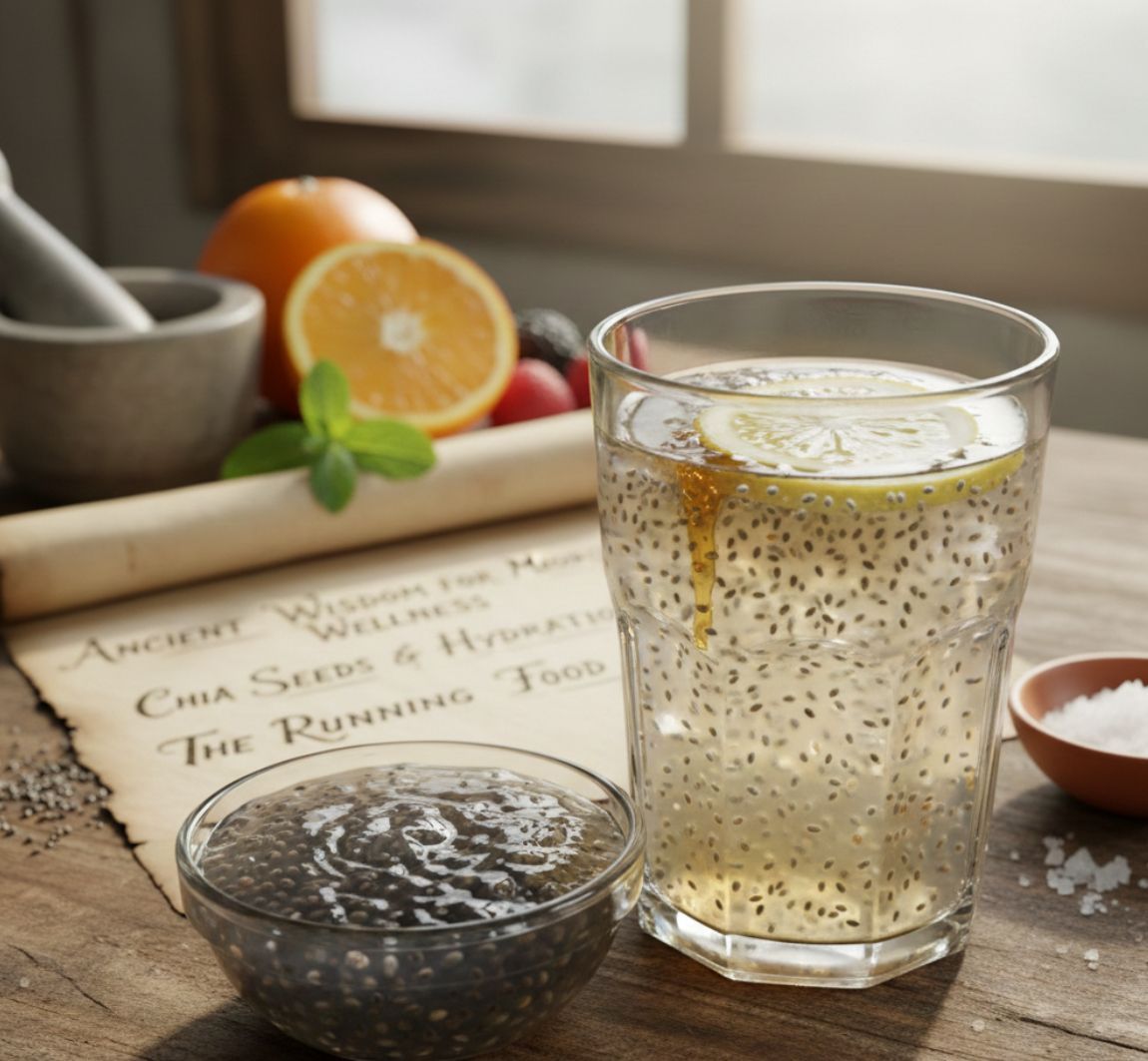
Chia Hydration Drink
1 tbsp chia seeds
Mixed in 400ml or 1 L of water ( for the day )
Lemon or lime
Let sit 10–15 minutes until gel forms.
Ideal before workouts, long days, travel, fasting, or hot weather.
Eat Your Water
Hydrating foods provide structured water:
Cucumbers, Melons, Oranges, Celery, Tomatoes, Berries, Lettuce
Hydration Tips That Matter
Sip consistently rather than drinking large amounts at once
Balance coffee, alcohol, and salty foods with extra hydration
Avoid ice-cold water, room temperature or warm water hydrates better ( I know some of you like to drink cold water ...)
A Personal Note on Hydration
Hydration is one of my greatest priorities when it comes to my health.
Over time, I’ve become deeply aware that when I’m not well hydrated, everything feels off, my energy drops, my focus fades, and my body doesn’t function the same way.
Because of this awareness, I hydrate proactively.
I don’t wait until I feel thirsty or depleted.
For me, staying hydrated is not a wellness trend, it’s a form of prevention and self-care.
When hydration is right, everything works better especially your immune system stays efficient.
Conclusion
Hydration is not a trend, it is the foundation of life.
Ancient cultures understood this deeply and used simple tools like chia seeds to support endurance, clarity, and resilience.
When water enters the body with minerals, structure, and intention, it doesn’t just hydrate, it supports every system.
Hydration is energy, Energy is life.
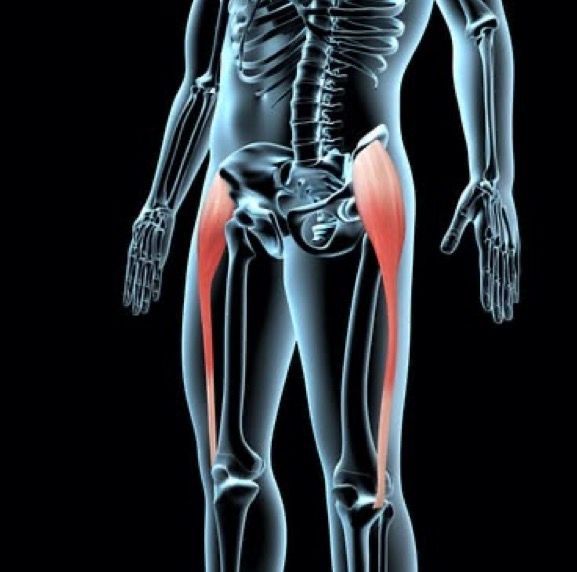
The TFL: The Pain Is Often a Sign, Not the Cause
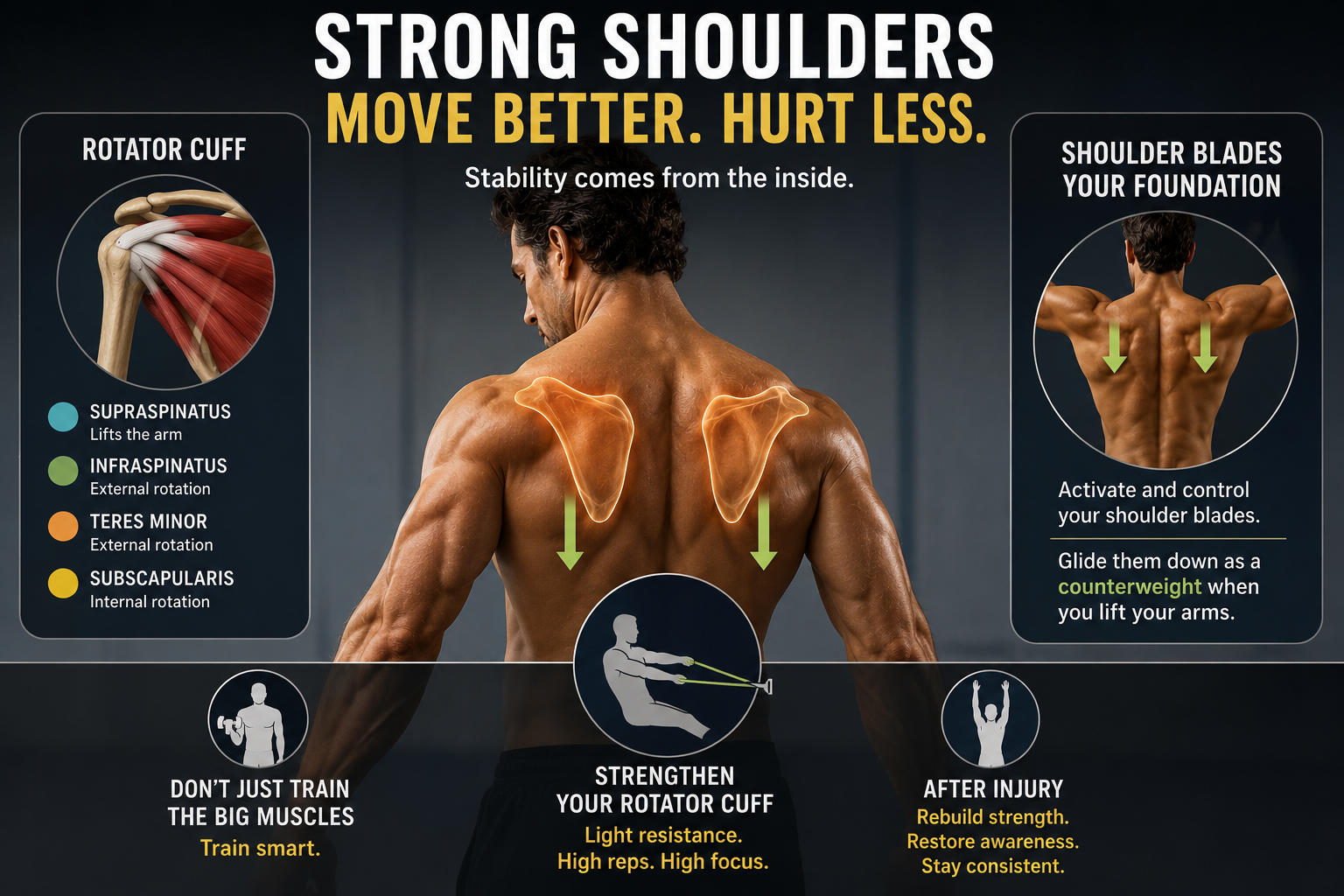
The Shoulder: Maximum Mobility Needs Maximum Stability
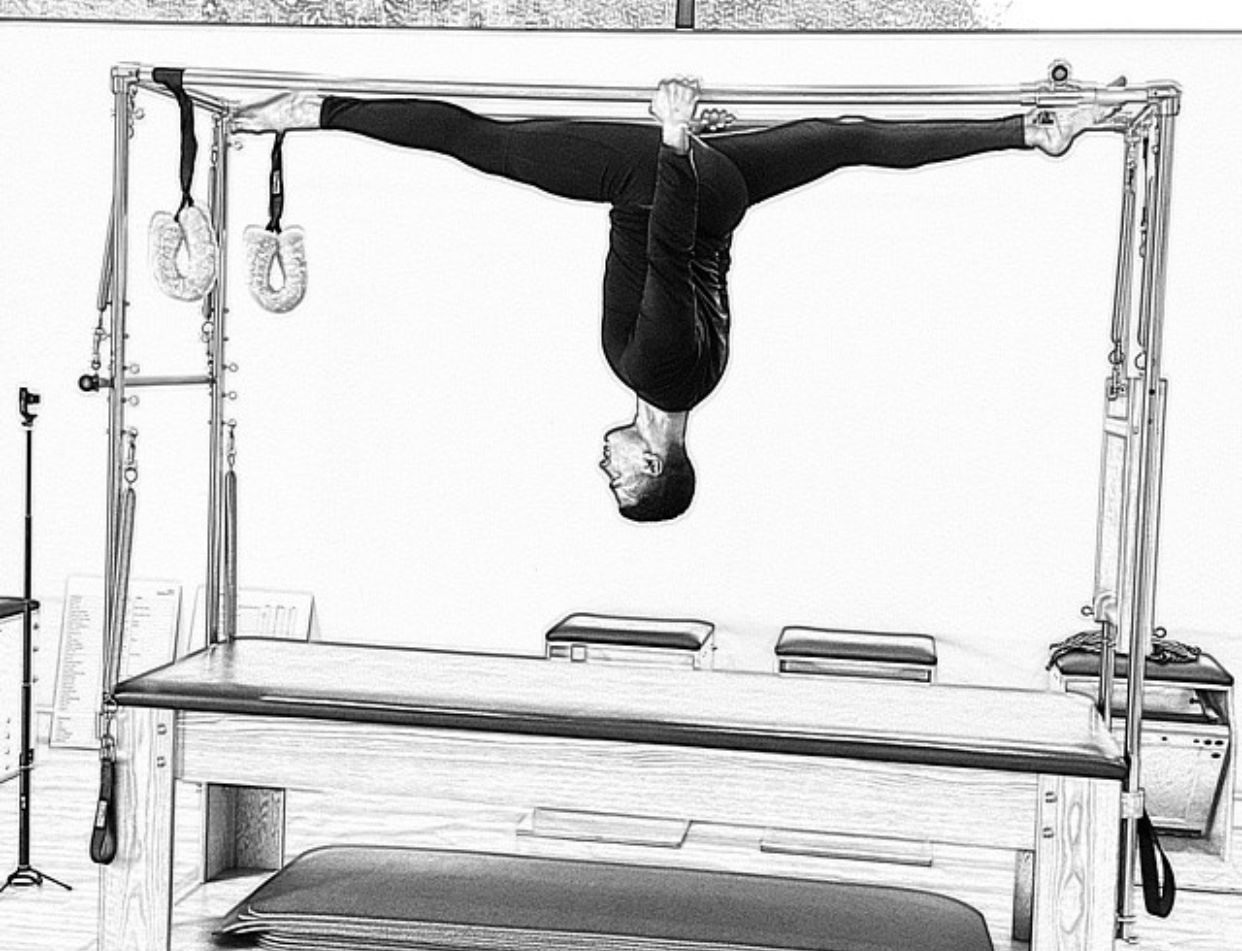
Beyond the Bend Why Flexibility Isn’t Just About Stretching

Feed Your Gut, Not Your Cravings

Flat belly-Visible Abs: The Truth Behind a Strong Core

How I Stay Healthy, Energetic, and Youthful: My Personal Approach to Longevity
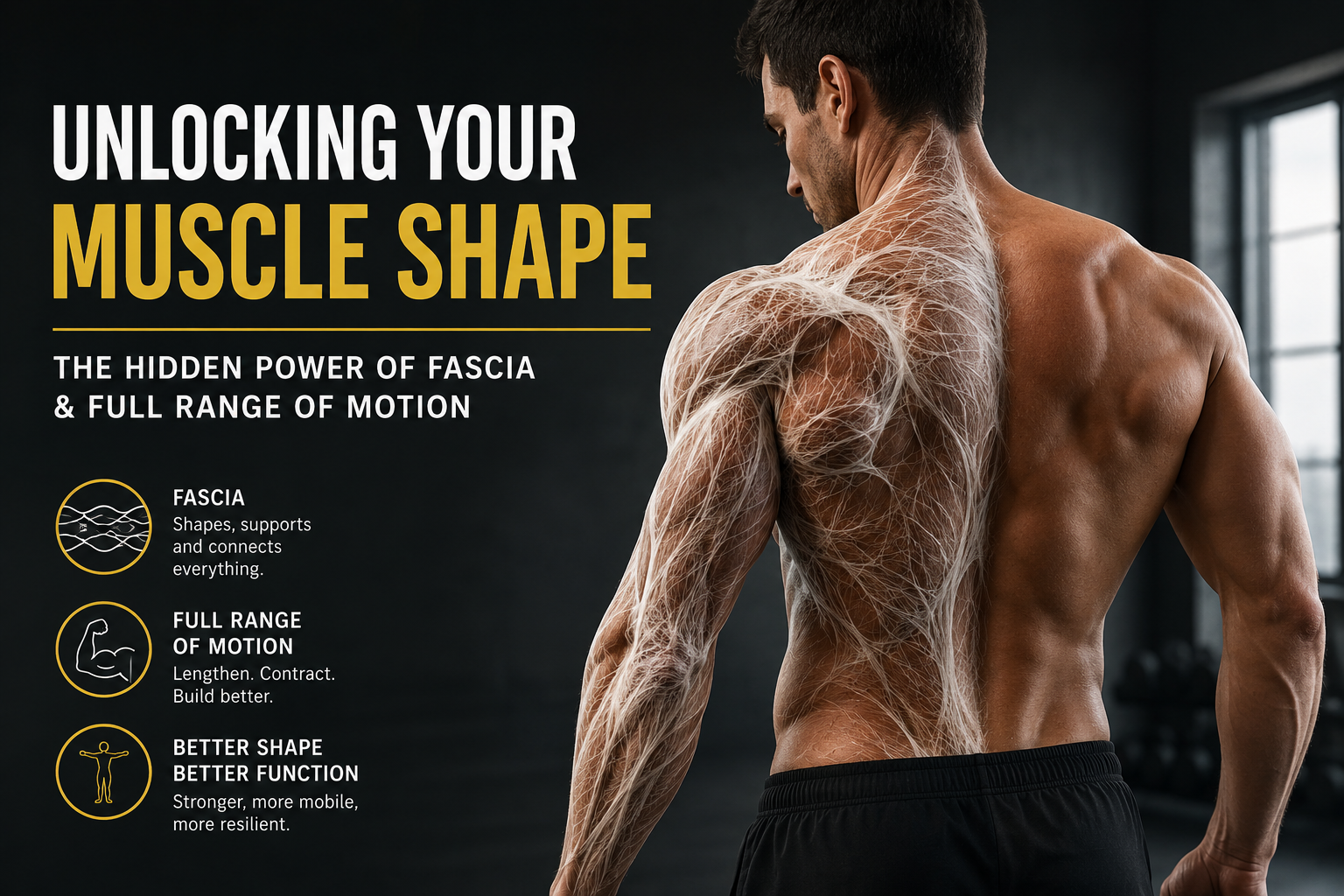
Unlocking Your Muscle Shape The Hidden Role of Fascia and Full Range of Motion
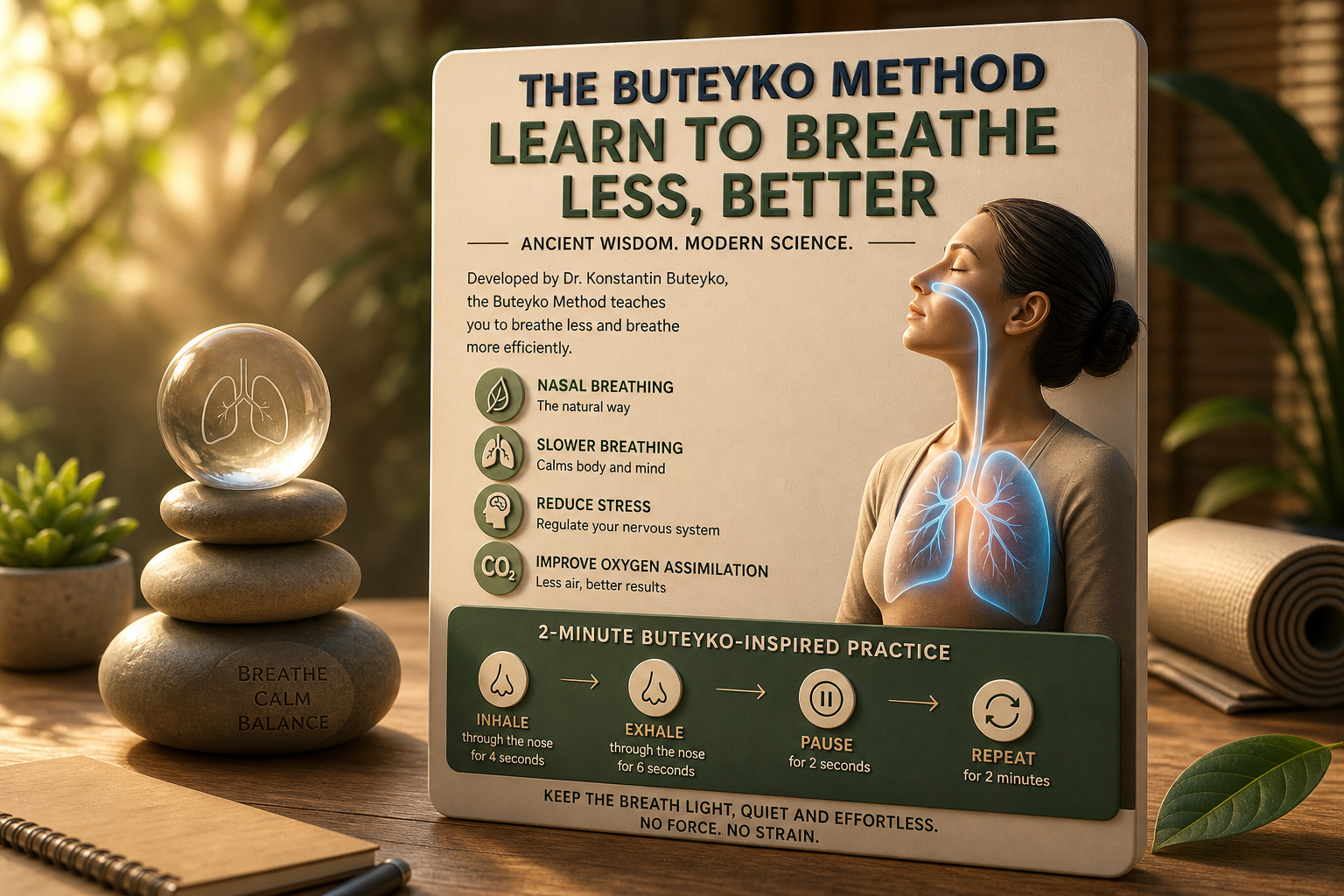
The Buteyko Method: Learn to Breathe Less, Better
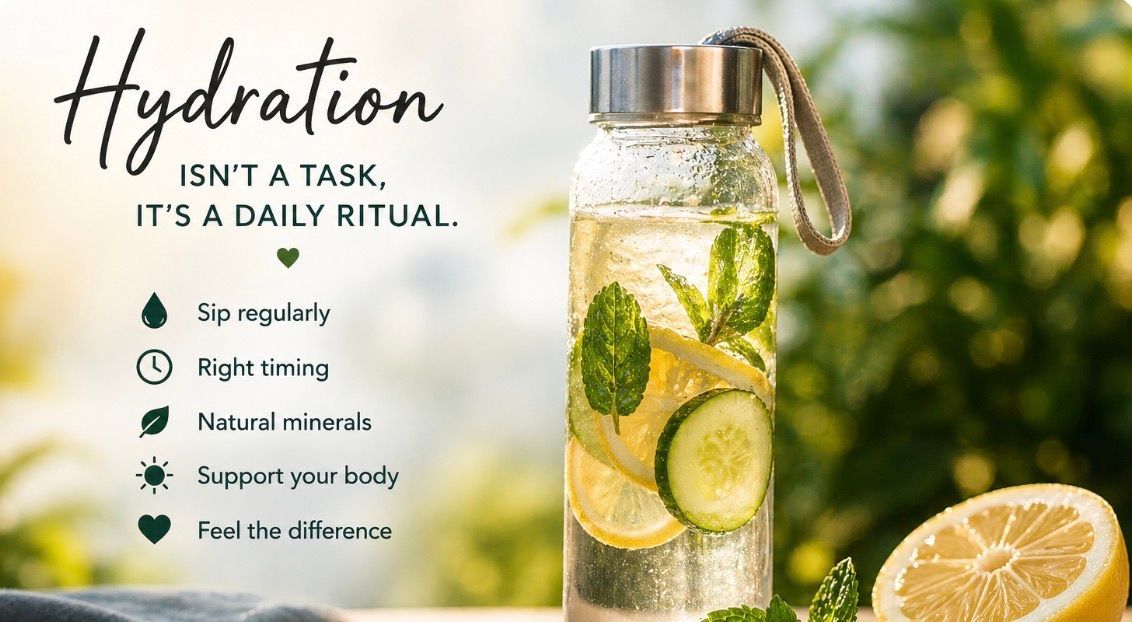
Why drinking more water doesn’t always mean better hydration Most people believe that the more water they drink, the more hydrated they become. In reality, hydration is less about quantity and more about how well your body absorbs and uses water. Your body processes water gradually. Drinking large amounts at once often means the excess is quickly eliminated through urine, sometimes along with valuable minerals needed for fluid balance. This is why many people drink plenty of water and still experience signs of dehydration. The principle is similar to breathing: more isn’t always better. You don’t oxygenate your body by taking huge breaths, what matters is efficient exchange in the lungs. Hydration works the same way: steady, efficient absorption matters more than excess intake. Drink smarter Sip small amounts regularly throughout the day Start the morning with room-temperature water Avoid chugging large quantities all at once Support hydration with natural minerals and electrolytes Why temperature matters Ice-cold water may feel refreshing, but it’s not always ideal for digestion. Your stomach and intestines rely on smooth rhythmic contractions — Peristalsis — to move food and fluids efficiently. Very cold water can temporarily tighten these muscles and, in sensitive people, create heaviness, cramping, or digestive discomfort. ( If your kids are complaining about stomach pain, look at what they are dinking to rehydrate...) Your body also needs to warm very cold water before efficiently processing it, so this is a waste of energy. It is tiring your body unnecessarily. Room-temperature or slightly warm water is often easier on the body and gentler on digestion. Timing matters When you drink matters too. Hydrating between meals is often ideal. Drinking large amounts during meals may reduce the quality of your digestion by diluting gastric contents, which can make digestion feel heavier. A simple rhythm: Drink regularly through the day Hydrate before meals Resume after eating Avoid waiting until intense thirst appears When dehydration quietly happens Remember, you lose water constantly, often without noticing, especially: After sleep After exercise Sauna / heat exposure Alcohol High sugar intake Chronic stress Mouth breathers, or if you speak for hours ( teachers..) Long sun exposure Dry wind (which increases evaporation and respiratory water loss) Hydration should be continuous, not occasional. My personal hydration ritual I carry my water bottle with me everywhere. It has become part of my rhythm, not because I force myself, but because I know the body thrives on steady hydration. I often enrich my water naturally with: Fresh lemon A tiny pinch of mineral-rich salt Cucumber, mint, ginger a nd other natural blends I personally use, I’ll share the link on our what'sapp community I also like to drink coconut water as it hydrates very well the body For me, water is not just something to drink. It is daily nourishment for every cell in the body. Hydration is not about drinking more It’s about drinking better:
right amount, right timing, right temperature, right balance.
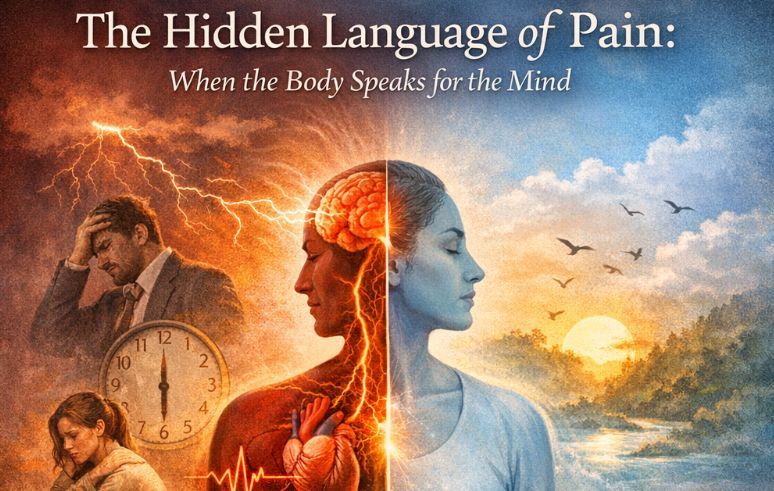
Have you ever noticed how your pain follows your life more than your posture? A back that locks just before a difficult conversation. A migraine that shows up every Sunday evening. Shoulders that feel light and free on holiday… then tighten the moment you return home. This is not random a nd it is not “just in your head.” It is your nervous system responding to your environment. The Geography of Stress In practice, I’ve seen this pattern again and again: Pain that moves. Pain that flares without clear injury. Pain that disappears when life feels lighter. We often call this psychosomatic pain, but that term is misunderstood. The pain is real, t he biology is real, t he experience is real. What changes is not the truth of the pain but where it comes from. It is no longer just about tissues or structure. It becomes an interaction between your nervous system, your emotional load, and your physical body. Biology, Not Imagination Stress is not abstract. It is physical. When your brain perceives pressure whether it’s a deadline, tension at home, or something you are trying to avoid, it activates your sympathetic nervous system. And the body responds immediately: • Cortisol and adrenaline rise • Muscles tighten, preparing for action • Heart rate increases • Recovery and repair are pushed aside This response is designed to protect you. But when it becomes constant … it starts to wear you down. The body never fully switches off. Muscles stay slightly contracted. Inflammation increases. Pain sensitivity rises. What began as protection slowly becomes burden. Why You Feel It in Your Joints Many people say, “stress goes into my joints.” Not exactly. Tension begins in the nervous system. It expresses through the muscles. But the joints… are where you feel it the most. Why? Because muscles control how your joints move. When muscles stay tight: Movement becomes restricted, j oint lubrication decreases, l oad is no longer evenly distributed And this creates a loop: Stress → Tension → Restricted Movement → Joint Stiffness → Pain → More Stress A perfect cycle. The Hips Don’t Lie At the center of your body is a deep, powerful muscle: the psoas. It connects your spine to your legs and i t reacts instantly to stress. You may have heard that the psoas “stores emotions.” The truth is that it does respond to them, fast. If your system is constantly on alert, your psoas stays engaged. Your hips tighten, y our posture shifts, y our lower back begins to compensate. Over time, this becomes discomfort… then pain. The Ones Who Carry the Most There is a pattern I see often. The caregivers. The ones who hold everything together. The ones who don’t stop. They take on more. They give more. They ignore their own signals. Until the body stops whispering… and starts shouting. If you see yourself here, understand this: Your pain is not weakness, i t is the result of staying “on” for too long. A Different Way to Look at Healing Pain is not always damage, s ometimes, it is a message. A reflection of how your body, your mind, and your environment are interacting. Healing, then, is not only about fixing tissue. It is about: • Reducing the load you are carrying • Restoring movement where things feel stuck, most of the chronic pain and excessive stiffness in your body are due to tension you are holding for too long • Becoming aware of what your body has been holding Your body is not against you, It is adapting. Trying to protect you in the only way it knows how. Small changes, done consistently, can completely change how your body feels. I will be sharing simple, effective stretches and mobility routines for your chest, shoulders, and hips inside your private WhatsApp community.