The Silent Superstar of Longevity: Why Nitric Oxide Is Your Body’s Secret Weapon

Nitric Oxide sits at the center of almost every process that keeps you alive, sharp, and resilient.
What Is Nitric Oxide (NO), And Why Is It So Important?
In a world filled with health trends and new discoveries, few molecules deserve the spotlight more than Nitric Oxide (NO).
It’s one of the most powerful yet underestimated elements of human vitality, influencing everything from your circulation and brain function to your ability to regenerate, focus, and age gracefully.
Most people don’t even realize Nitric Oxide exists, yet it quietly sits at the center of almost every process that keeps your body alive, your brain sharp, and your energy high.
What Is Nitric Oxide (NO) and Why Is It So Important?
Nitric Oxide is a simple gas, just one atom of nitrogen and one of oxygen but its impact on your health is immense. It acts as a messenger molecule, telling your cells how to function efficiently.
Here’s what makes it so powerful:
The Master Vasodilator:
NO tells the muscles around your blood vessels to relax, allowing them to widen.
This improves blood flow everywhere, heart, brain, and muscles.
More flow means more oxygen, nutrients, and energy.
Immunity & Cleansing:
In your nasal passages, NO helps kill bacteria and viruses.
In your bloodstream, it acts as a natural internal cleanser, neutralizing microscopic threats.
The Cognitive Protector:
Poor circulation is one of the main causes of cognitive decline ( like Dementia ).
NO improves blood flow and oxygen delivery to the brain, supporting memory, focus, and long-term mental clarity.
Fat Loss & Energy:
NO enhances how your mitochondria use oxygen, helping you generate clean energy and burn fat more efficiently.
Regeneration & Youth: The Stem Cell Connection
If there’s one key to longevity, it’s your body’s ability to regenerate and repair itself.
Deep inside your bones lies a powerful source of renewal, the bone marrow.
It’s where your body continually creates fresh stem cells,
the tiny repair units that help you heal, rebuild, and stay young.
When Nitric Oxide levels are strong, it sends a signal to your bone marrow
to release these repair cells into your bloodstream.
From there, they travel wherever the body needs restoration, muscles, organs, blood vessels, even skin.
By supporting your Nitric Oxide production, you’re essentially keeping this inner “repair factory”
switched on, the foundation of regeneration and lasting vitality.
The NO–Spleen Connection: Your Hidden Oxygen Reserve
Your spleen plays a quiet but vital role, filtering blood and storing oxygen-rich red blood cells.
Nitric Oxide helps regulate this system, allowing the spleen to release these reserves when your body needs them most during exercise, deep breathing, or moments of stress.
Interestingly, some traditional diving tribes, like the Bajau people of the Philippines, are known for their extraordinary ability to hold their breath underwater for long periods.
Research links this to their larger spleens and higher Nitric Oxide activity, allowing them to store and release more oxygen into circulation.
This natural adaptation beautifully illustrates how Nitric Oxide and spleen
function together to enhance endurance, oxygen use, and resilience, the same principles we can all support through lifestyle and breath.
Your Internal NO Factory: The Power of Intentional Breathing
A significant amount of Nitric Oxide is produced in your paranasal sinuses, which means your breathing habits directly affect how much of it you make. This is where your body creates pure NO gas, ready to enter the lungs and bloodstream.
You literally have an internal “NO factory,”
and you can activate it through simple, conscious breathing techniques, some of which I teach in my Breathing Programme ( check it out ):
Humming (Bee Breathing):
The vibration from humming increases nasal NO production up to 15 times
more than quiet breathing.
Restrictive Breathing:
Slightly limiting airflow through one nostril or gentle resistance breathing boosts NO release and deepens your connection to your body.
These are simple practices you can do every day.
Not only do they enhance oxygen delivery and Nitric Oxide production, they also help you reconnect with your own perception, rhythm, and inner calm.
Fueling Your Internal NO Factory: The Best Foods
Your body needs the right nutrients to build and sustain Nitric Oxide.
Food don't contain Nitric Oxide directly; They contain nitrates (NO₃⁻) and nitrites (NO₂⁻), which are natural compounds your body converts into NO through a fascinating internal process, nitrate (NO₃⁻) and nitrite (NO₂⁻) are not nitric oxide (NO); they are precursors that can be converted into nitric oxide within the body.
1. You eat nitrate-rich foods ( like beetroot, spinach ..)
2. Bacteria in your mouth convert these nitrates into nitrites.
3. in your stomach and tissues, your body converts nitrites into active Nitric Oxide.
So while the NO from food isn't the same molecule as the pure gas produced in your paranasal sinuses, your body assimilates and transforms it into the same beneficial form that supports circulation, oxygen, and vitality.
Think of these foods as your natural NO boosters but in a slightly different form:
Leafy Greens & Beetroot: Rich in natural nitrates your body converts into NO.
Garlic:
Helps your body produce NO and keeps it active longer.
Watermelon & Pomegranate:
Contain L-citrulline and antioxidants that extend NO’s life.
Red Cayenne Pepper:
Stimulates circulation and supports NO release.
An Easy Daily Drink Example:
You can always readjust ,ad or remove some pieces
Once you understand the benefits of each nutriments, you can make your own healthy juices
It does not have to be the same every day
Blend beetroot juice
with a squeeze of lemon
and a pinch of sea salt and ginger.
This simple mix is a powerful way to boost blood flow and oxygen delivery.
Lemon not only adds freshness, its natural vitamin C enhance chemical reactions and nutrient transport, helping your body convert and preserve Nitric Oxide more effectively.
The Energy Triad: Heart, Mitochondria & Nitric Oxide
Your heart is packed with mitochondria,
tiny energy factories that rely on oxygen to power every cell.
Mitochondria are called the "powerhouse of the cell"
because they are responsible for producing most of the cell's energy, they turn oxygen and nutrients into energy.
Nitric Oxide keeps this system running smoothly:
It optimizes how mitochondria use oxygen.
It protects them from stress and fatigue.
Together, they form an Energy Triad:
NO fuels mitochondria → mitochondria energize your heart → your heart circulates oxygen to sustain NO.
This is the biological rhythm of vitality that your built-in loop of energy and longevity.
A Holistic Approach to Longevity
Supporting Nitric Oxide production through breath, nutrition, and mindful living does far more than optimize one molecule, it awakens an entire internal ecosystem: A stronger heart, sharper cognition, deeper energy, and a more youthful, resilient body.
I’m also sharing a link to one of my previous blogs
🔗 http://www.zenitudefitpilates.com/heart-life-elixirs-blends-infusions-for-health-circulation-longevity
Heart & Life Elixirs, Blends & Infusions for Health, Circulation & Longevity
which I think connects beautifully to this topic.
It explores natural blends and ingredients that support circulation, heart health, and, of course, Nitric Oxide, another piece of the longevity puzzle.
Final Message
In a world full of confusion, shortcuts, and misinformation, I want this space to remain your trusted source.
I will always bring you the real science behind health, no noise, no hype, no wasted time.
So next time you breathe deeply through your nose, hum softly, or enjoy a plate of greens, remember:
You’re not just taking care of your body, you’re fueling your longevity, one molecule of Nitric Oxide at a time
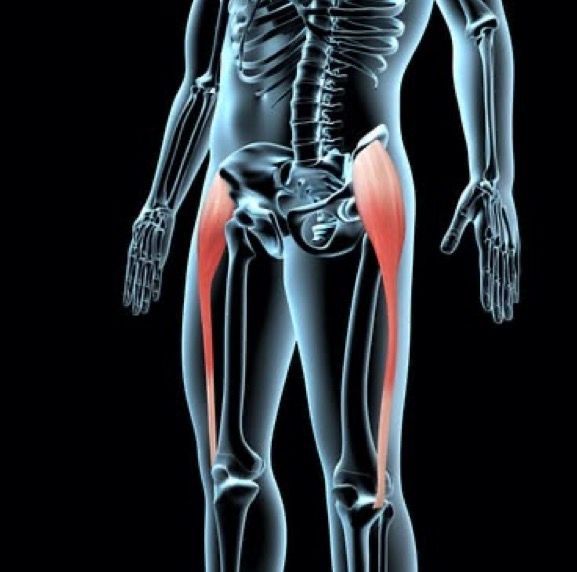
The TFL: The Pain Is Often a Sign, Not the Cause
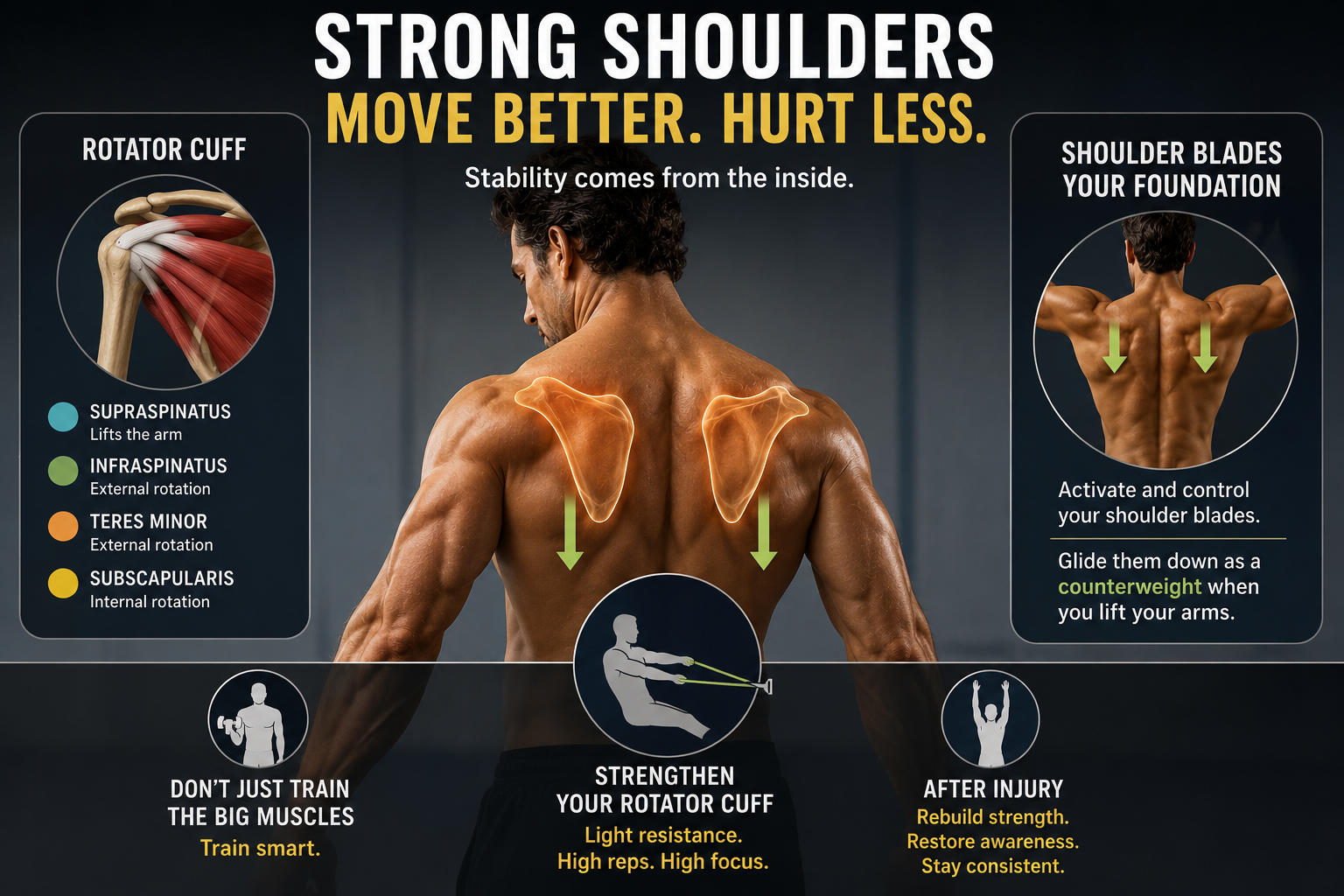
The Shoulder: Maximum Mobility Needs Maximum Stability

Beyond the Bend Why Flexibility Isn’t Just About Stretching

Feed Your Gut, Not Your Cravings

Flat belly-Visible Abs: The Truth Behind a Strong Core

How I Stay Healthy, Energetic, and Youthful: My Personal Approach to Longevity

Unlocking Your Muscle Shape The Hidden Role of Fascia and Full Range of Motion
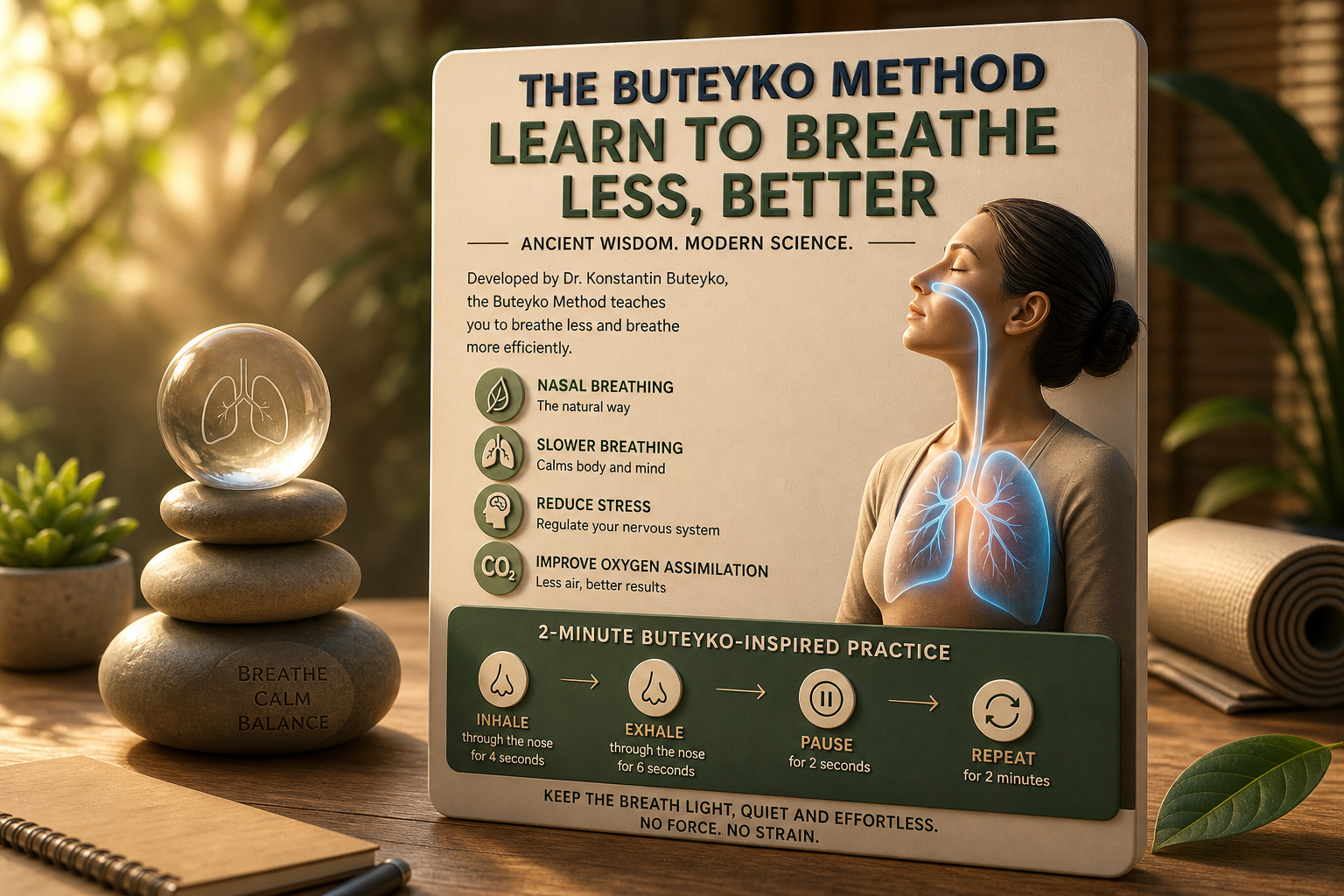
The Buteyko Method: Learn to Breathe Less, Better
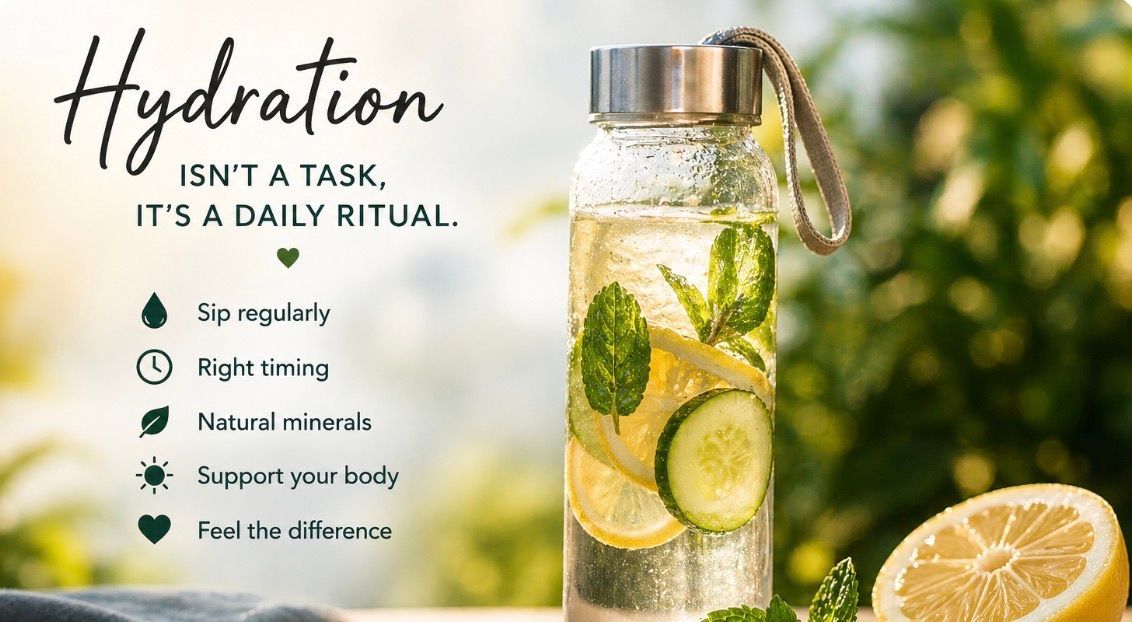
Why drinking more water doesn’t always mean better hydration Most people believe that the more water they drink, the more hydrated they become. In reality, hydration is less about quantity and more about how well your body absorbs and uses water. Your body processes water gradually. Drinking large amounts at once often means the excess is quickly eliminated through urine, sometimes along with valuable minerals needed for fluid balance. This is why many people drink plenty of water and still experience signs of dehydration. The principle is similar to breathing: more isn’t always better. You don’t oxygenate your body by taking huge breaths, what matters is efficient exchange in the lungs. Hydration works the same way: steady, efficient absorption matters more than excess intake. Drink smarter Sip small amounts regularly throughout the day Start the morning with room-temperature water Avoid chugging large quantities all at once Support hydration with natural minerals and electrolytes Why temperature matters Ice-cold water may feel refreshing, but it’s not always ideal for digestion. Your stomach and intestines rely on smooth rhythmic contractions — Peristalsis — to move food and fluids efficiently. Very cold water can temporarily tighten these muscles and, in sensitive people, create heaviness, cramping, or digestive discomfort. ( If your kids are complaining about stomach pain, look at what they are dinking to rehydrate...) Your body also needs to warm very cold water before efficiently processing it, so this is a waste of energy. It is tiring your body unnecessarily. Room-temperature or slightly warm water is often easier on the body and gentler on digestion. Timing matters When you drink matters too. Hydrating between meals is often ideal. Drinking large amounts during meals may reduce the quality of your digestion by diluting gastric contents, which can make digestion feel heavier. A simple rhythm: Drink regularly through the day Hydrate before meals Resume after eating Avoid waiting until intense thirst appears When dehydration quietly happens Remember, you lose water constantly, often without noticing, especially: After sleep After exercise Sauna / heat exposure Alcohol High sugar intake Chronic stress Mouth breathers, or if you speak for hours ( teachers..) Long sun exposure Dry wind (which increases evaporation and respiratory water loss) Hydration should be continuous, not occasional. My personal hydration ritual I carry my water bottle with me everywhere. It has become part of my rhythm, not because I force myself, but because I know the body thrives on steady hydration. I often enrich my water naturally with: Fresh lemon A tiny pinch of mineral-rich salt Cucumber, mint, ginger a nd other natural blends I personally use, I’ll share the link on our what'sapp community I also like to drink coconut water as it hydrates very well the body For me, water is not just something to drink. It is daily nourishment for every cell in the body. Hydration is not about drinking more It’s about drinking better:
right amount, right timing, right temperature, right balance.
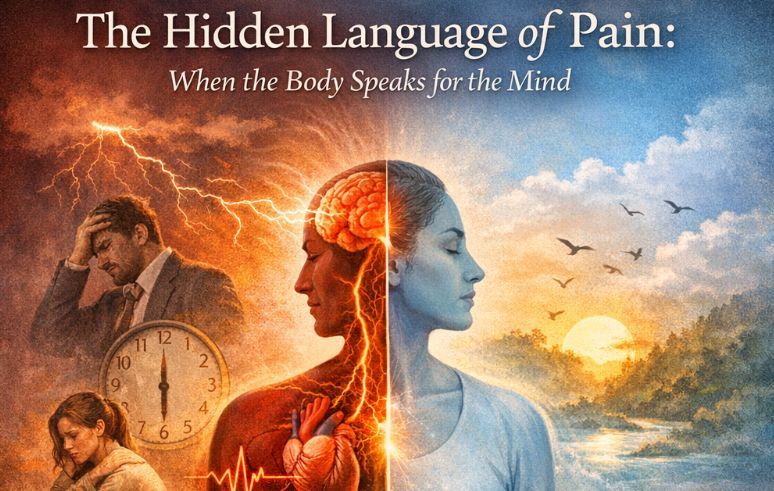
Have you ever noticed how your pain follows your life more than your posture? A back that locks just before a difficult conversation. A migraine that shows up every Sunday evening. Shoulders that feel light and free on holiday… then tighten the moment you return home. This is not random a nd it is not “just in your head.” It is your nervous system responding to your environment. The Geography of Stress In practice, I’ve seen this pattern again and again: Pain that moves. Pain that flares without clear injury. Pain that disappears when life feels lighter. We often call this psychosomatic pain, but that term is misunderstood. The pain is real, t he biology is real, t he experience is real. What changes is not the truth of the pain but where it comes from. It is no longer just about tissues or structure. It becomes an interaction between your nervous system, your emotional load, and your physical body. Biology, Not Imagination Stress is not abstract. It is physical. When your brain perceives pressure whether it’s a deadline, tension at home, or something you are trying to avoid, it activates your sympathetic nervous system. And the body responds immediately: • Cortisol and adrenaline rise • Muscles tighten, preparing for action • Heart rate increases • Recovery and repair are pushed aside This response is designed to protect you. But when it becomes constant … it starts to wear you down. The body never fully switches off. Muscles stay slightly contracted. Inflammation increases. Pain sensitivity rises. What began as protection slowly becomes burden. Why You Feel It in Your Joints Many people say, “stress goes into my joints.” Not exactly. Tension begins in the nervous system. It expresses through the muscles. But the joints… are where you feel it the most. Why? Because muscles control how your joints move. When muscles stay tight: Movement becomes restricted, j oint lubrication decreases, l oad is no longer evenly distributed And this creates a loop: Stress → Tension → Restricted Movement → Joint Stiffness → Pain → More Stress A perfect cycle. The Hips Don’t Lie At the center of your body is a deep, powerful muscle: the psoas. It connects your spine to your legs and i t reacts instantly to stress. You may have heard that the psoas “stores emotions.” The truth is that it does respond to them, fast. If your system is constantly on alert, your psoas stays engaged. Your hips tighten, y our posture shifts, y our lower back begins to compensate. Over time, this becomes discomfort… then pain. The Ones Who Carry the Most There is a pattern I see often. The caregivers. The ones who hold everything together. The ones who don’t stop. They take on more. They give more. They ignore their own signals. Until the body stops whispering… and starts shouting. If you see yourself here, understand this: Your pain is not weakness, i t is the result of staying “on” for too long. A Different Way to Look at Healing Pain is not always damage, s ometimes, it is a message. A reflection of how your body, your mind, and your environment are interacting. Healing, then, is not only about fixing tissue. It is about: • Reducing the load you are carrying • Restoring movement where things feel stuck, most of the chronic pain and excessive stiffness in your body are due to tension you are holding for too long • Becoming aware of what your body has been holding Your body is not against you, It is adapting. Trying to protect you in the only way it knows how. Small changes, done consistently, can completely change how your body feels. I will be sharing simple, effective stretches and mobility routines for your chest, shoulders, and hips inside your private WhatsApp community.