Coffee: Ritual, Science, and the Quest for Balance
Why I Wrote This Blog
For years, I've been fascinated by coffee.
It's more than a beverage; it's a global phenomenon and a daily ritual.
I've explored countless books and studies, always asking: "How does this common drink truly affect my body?" This blog brings together years of personal curiosity and research, from the biochemistry of performance and energy to the nuances of nutrition, hormones, mood, and aging.
Another opportunity to understand the delicate dance between what we consume and our health.
Coffee's Place in the World
Coffee is a universal staple, until the 19th century, the enjoyment of coffee was initially reserved for a wealthy elite, kings, princes and the court nobility, the average citizen had no access to the luxury good.
This changed with the Industrial Revolution, when factory owners realized that coffee had a production-enhancing effect.
Today Coffee is one of the most widely consumed beverages globally, with over 2.25 billion cups consumed daily.
Caffeine, Energy, and the Fatigue Trap
Caffeine is a powerful stimulant. It works by binding to adenosine receptors in the central nervous system, effectively blocking the chemical signal that tells your brain you're tired.
This is why coffee feels so energizing and uplifting.
But here’s the subtle truth I've learned to embrace:
I rarely use coffee to fight fatigue ( or rarely )
Instead, I see it as an enhancement. When genuine tiredness hits, I turn to rest, deep breathing, or my favorite natural energy shot: a blend of fresh ginger, turmeric, and honey.
This awakens me without the peak overstimulation.
Coffee, Brain, and Performance
The cognitive benefits of coffee are well-documented:
• Focus & Alertness: It demonstrably improves concentration, short-term memory, and mental sharpness.
• Creativity: Many, myself included, find a gentle sip of coffee enhances inspiration and flow.
• Neuroprotection: Research continues to explore coffee's potential role in protecting against age-related cognitive decline.
However, the key is dosage.
There is a very fine line between gentle enhancement and overstimulation, which can lead to anxiety and stress.
Hydration, Minerals, and Muscle Health
This is a critical area often overlooked. Caffeine is a diuretic, meaning it promotes the loss of water from the body by increasing urine output. If you replace your first glass of water with coffee, you start your day in a state of dehydration.
Beyond water, this diuretic action can also flush out essential minerals:
• Electrolyte Depletion:
Caffeine can accelerate the excretion of electrolytes, particularly Potassium and Magnesium.
• The Cramp Risk: Magnesium is vital for muscle relaxation, and Potassium is crucial for fluid balance. A loss of these can contribute to the very symptoms I mentioned—muscle tightness, stiffness, and increased risk of cramps.
• Calcium: Coffee consumption is also linked to slightly increased urinary excretion of Calcium.
The practical takeaway:
For every cup of coffee you drink, ensure you follow it with a large glass of water.
Active individuals should consider increasing their intake of mineral-rich foods.
Deep Dive: Hormones and Sensitivity
The relationship between caffeine and our endocrine system is complex, personal, and profoundly important, especially for women.
1. Stress Hormones (Cortisol)
Caffeine stimulates your adrenal glands to release cortisol (your primary stress hormone).
This provides the "alertness."
However, chronic, high intake of caffeine, especially on an empty stomach, can lead to a state of chronic, low-grade stress, impacting overall hormonal stability.
2. Estrogen Metabolism and the Liver
•
The Liver's Crucial Task (Processing for Elimination): After estrogen is used by the body, the spent hormones must be broken down and prepared for safe removal.
This vital process, which involves deactivating and making them water-soluble is the liver's key job.
• The Caffeine Conflict:
Caffeine is also processed (metabolized) in the liver, meaning it is broken down and prepared for elimination, often using some of the same enzyme pathways needed to clear the spent estrogen.
• The Impact on Women: This competition can lead to a slower clearance of spent estrogen.
For women sensitive to hormonal shifts, this delay can influence PMS symptoms, cycle regularity, or aggravate menstrual cramps.
The key for everyone?
Moderation is key, particularly during periods of high stress or around menstruation, when the body is naturally more sensitive.
Coffee, Sleep, and Aging
The importance of timing cannot be overstated. Caffeine has a half-life of around 5–6 hours. This means that 5 hours after your last sip, half the caffeine is still active in your system. For optimal sleep quality—the foundation of all health—I never drink coffee past the early afternoon.
Regarding Aging, excessive caffeine intake may prematurely accelerate aging, primarily by:
• Interfering with high-quality, deep sleep and recovery.
• Maintaining persistently high cortisol levels.
Cafestol, Kahweol, and the Cancer Question
Coffee beans naturally contain potent oils called cafestol
and kahweol.
The presence of these compounds in your cup is determined by your brewing method.
Brewing Method Matters:
• Unfiltered Methods (French press, Turkish coffee, boiled coffee, most espresso from metal filters) allow these oils to pass directly into your cup.
• Crucial Clarification: Most automatic home coffee machines and café espresso machines do not filter out these oils, as they use metal filters or fine mesh, not paper.
• Filtered Coffee (drip or pour-over using a paper filter) effectively traps most cafestol and kahweol.
Health Impact:
1. Cholesterol: Cafestol is one of the most potent natural substances known to raise LDL ("bad") cholesterol.
If you have elevated cholesterol or a heart risk, filtered coffee is the safer, better choice.
2. Tumors and Cancer: Large studies suggest that regular coffee consumption is associated with a reduced risk for several types of cancer, attributed to the bean's high content of antioxidants.
The Official Stance on Safe Intake (FDA)
When looking at safe consumption, the U.S. Food and Drug Administration (FDA) cites 400 milligrams (mg) of caffeine per day as an amount generally not associated with dangerous or negative effects in healthy adults.
In simpler terms: This 400 mg limit is often cited as roughly three to five cups of regular brewed coffee, depending on the strength.
The FDA acknowledges that individual sensitivity varies widely. However, it is crucial to remember that a "safe limit" is not the same as an "optimal limit."
We must read data and research with a personal, unique mindset, looking for perfect balance, far from the edge of what is safe.
My Personal Balance
I genuinely love coffee, its rich aroma, the quiet morning ritual, and the grounding presence it provides.
But I've committed to moderation and awareness in my eating and drinking.
• One espresso a day is my limit. Sometimes no coffee at all but rarely I go for two.
• More than two cups makes my muscles tense and my back feel tight, a sign that my nervous system (and possibly my electrolytes) are becoming unbalanced.
I rarely cross that line.
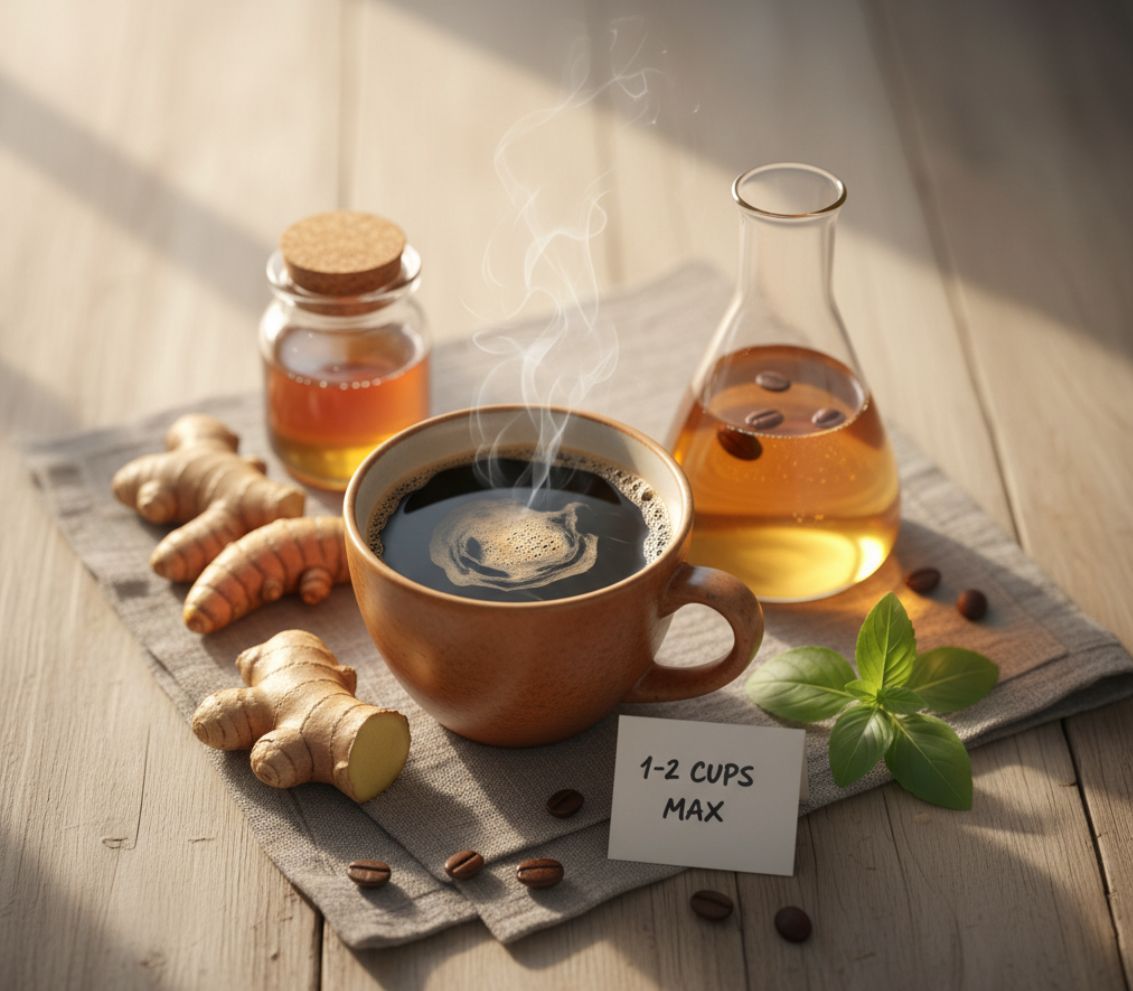
My Recommendation: 1 to 2 Cups Maximum for Optimal Function
Personally, consuming 3 to 5 cups is far too much for maintaining my best health.
I look for optimal function, not the extreme edge of safety.
Based on the science of cortisol, mineral balance, and sleep quality, I strongly recommend keeping your intake to a maximum of one to two moderate cups (or shots of espresso) per day.
This conservative approach allows you to reap the cognitive and antioxidant benefits while ensuring you support your mind, body, and optimal functional lifestyle.
And if you can function 100% without coffee, keeping it away is even more perfect.
Closing Thoughts: A Call for Self-Awareness
Coffee is a fascinating blend of chemistry, culture, and ritual.
It can energize and inspire, but it can also disturb sleep and affect sensitive systems depending on the quantity and preparation.
For me, the path to health lies in moderation, awareness, and self-knowledge.
Coffee has its rightful place, but it will never define my energy.
Let me share with you a prime example of that commitment:
A client recently offered me a coffee during an afternoon training session at 5 PM.
I wanted and felt like I needed that boost, but I politely declined.
Why?
Because by 5 PM, my body is already starting the crucial four-hour wind-down to produce melatonin.
Blocking that natural signal would guarantee compromised sleep.
Instead, I opted for water and a commitment to 100% recovery that night.
This story shows the core lesson:
The key is cultivating awareness and discipline, even when desire is strong.
"Rest, movement, and natural foundations will always be the priority that sustains"
The TFL: The Pain Is Often a Sign, Not the Cause
The Shoulder: Maximum Mobility Needs Maximum Stability
Beyond the Bend Why Flexibility Isn’t Just About Stretching
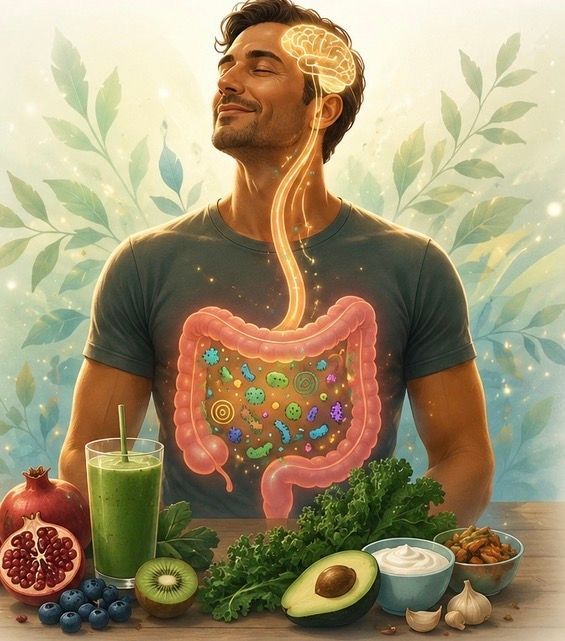
Feed Your Gut, Not Your Cravings

Flat belly-Visible Abs: The Truth Behind a Strong Core

How I Stay Healthy, Energetic, and Youthful: My Personal Approach to Longevity
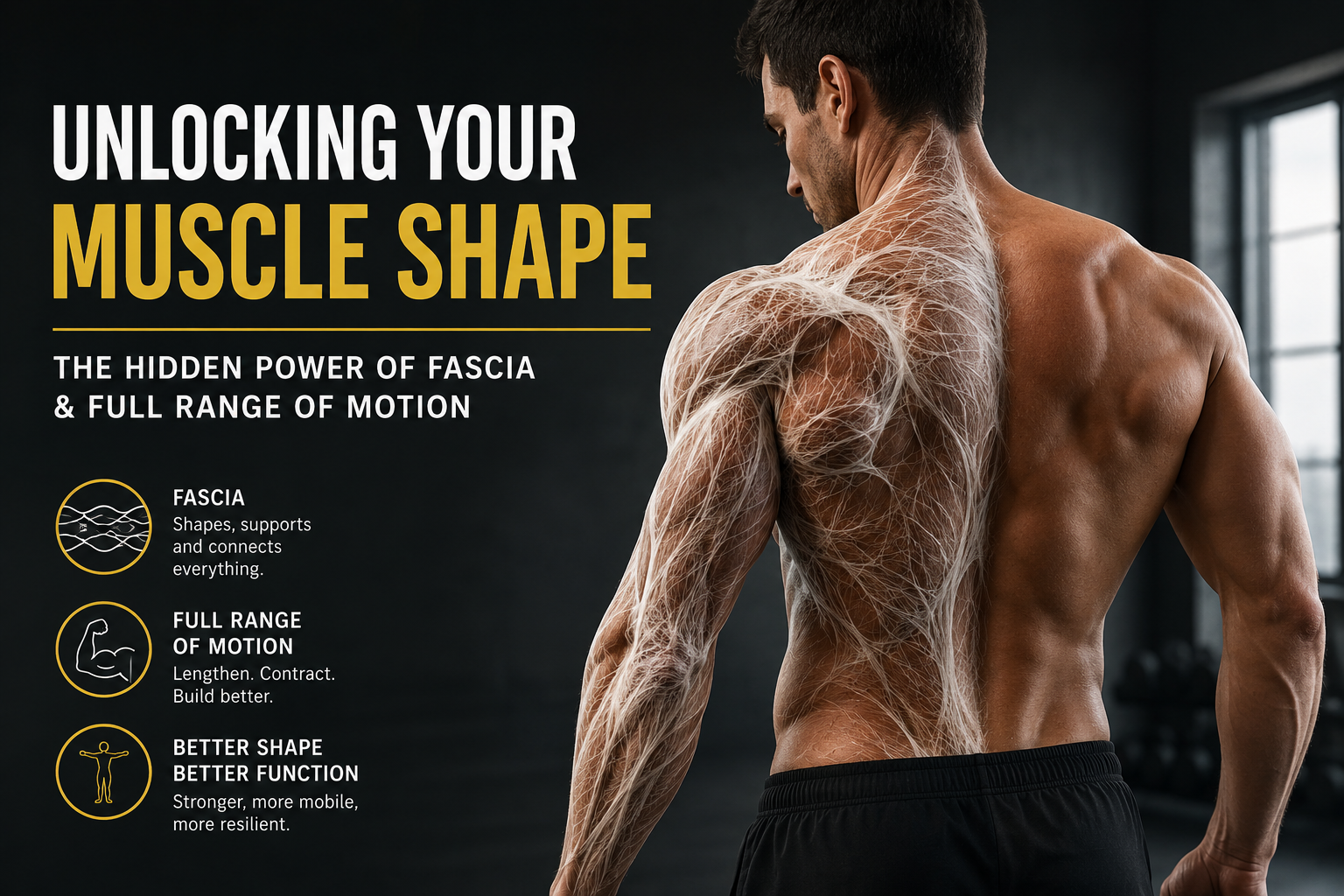
Unlocking Your Muscle Shape The Hidden Role of Fascia and Full Range of Motion
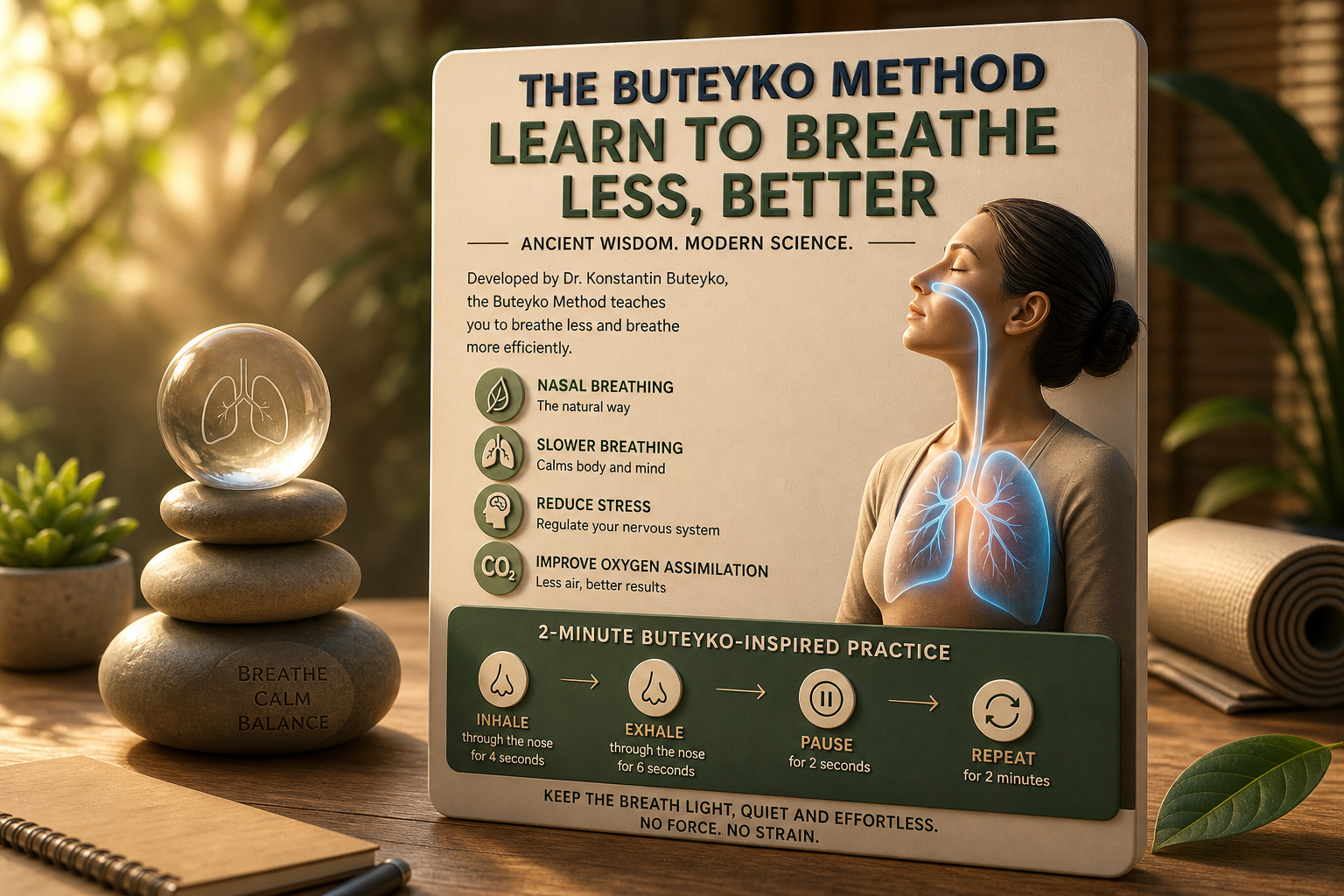
The Buteyko Method: Learn to Breathe Less, Better
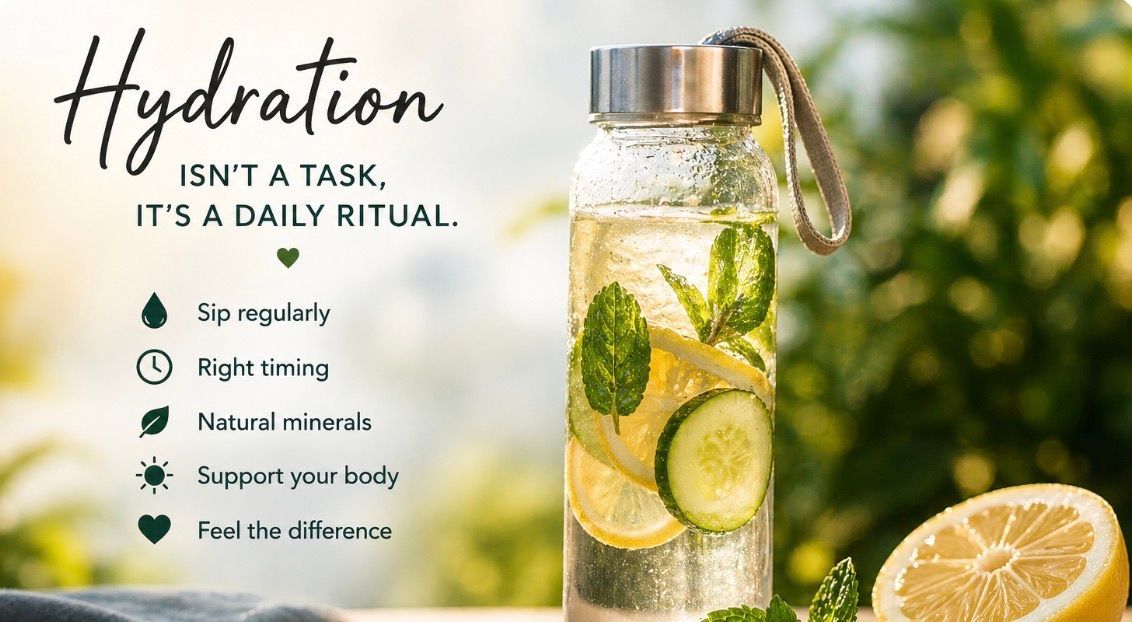
Why drinking more water doesn’t always mean better hydration Most people believe that the more water they drink, the more hydrated they become. In reality, hydration is less about quantity and more about how well your body absorbs and uses water. Your body processes water gradually. Drinking large amounts at once often means the excess is quickly eliminated through urine, sometimes along with valuable minerals needed for fluid balance. This is why many people drink plenty of water and still experience signs of dehydration. The principle is similar to breathing: more isn’t always better. You don’t oxygenate your body by taking huge breaths, what matters is efficient exchange in the lungs. Hydration works the same way: steady, efficient absorption matters more than excess intake. Drink smarter Sip small amounts regularly throughout the day Start the morning with room-temperature water Avoid chugging large quantities all at once Support hydration with natural minerals and electrolytes Why temperature matters Ice-cold water may feel refreshing, but it’s not always ideal for digestion. Your stomach and intestines rely on smooth rhythmic contractions — Peristalsis — to move food and fluids efficiently. Very cold water can temporarily tighten these muscles and, in sensitive people, create heaviness, cramping, or digestive discomfort. ( If your kids are complaining about stomach pain, look at what they are dinking to rehydrate...) Your body also needs to warm very cold water before efficiently processing it, so this is a waste of energy. It is tiring your body unnecessarily. Room-temperature or slightly warm water is often easier on the body and gentler on digestion. Timing matters When you drink matters too. Hydrating between meals is often ideal. Drinking large amounts during meals may reduce the quality of your digestion by diluting gastric contents, which can make digestion feel heavier. A simple rhythm: Drink regularly through the day Hydrate before meals Resume after eating Avoid waiting until intense thirst appears When dehydration quietly happens Remember, you lose water constantly, often without noticing, especially: After sleep After exercise Sauna / heat exposure Alcohol High sugar intake Chronic stress Mouth breathers, or if you speak for hours ( teachers..) Long sun exposure Dry wind (which increases evaporation and respiratory water loss) Hydration should be continuous, not occasional. My personal hydration ritual I carry my water bottle with me everywhere. It has become part of my rhythm, not because I force myself, but because I know the body thrives on steady hydration. I often enrich my water naturally with: Fresh lemon A tiny pinch of mineral-rich salt Cucumber, mint, ginger a nd other natural blends I personally use, I’ll share the link on our what'sapp community I also like to drink coconut water as it hydrates very well the body For me, water is not just something to drink. It is daily nourishment for every cell in the body. Hydration is not about drinking more It’s about drinking better:
right amount, right timing, right temperature, right balance.
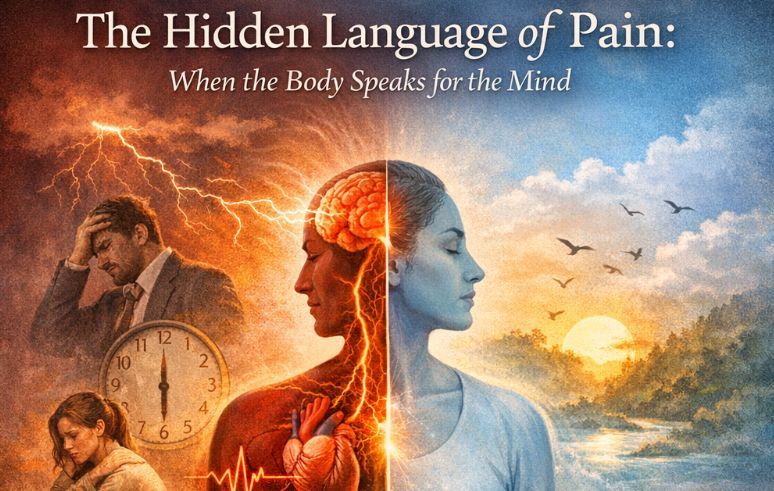
Have you ever noticed how your pain follows your life more than your posture? A back that locks just before a difficult conversation. A migraine that shows up every Sunday evening. Shoulders that feel light and free on holiday… then tighten the moment you return home. This is not random a nd it is not “just in your head.” It is your nervous system responding to your environment. The Geography of Stress In practice, I’ve seen this pattern again and again: Pain that moves. Pain that flares without clear injury. Pain that disappears when life feels lighter. We often call this psychosomatic pain, but that term is misunderstood. The pain is real, t he biology is real, t he experience is real. What changes is not the truth of the pain but where it comes from. It is no longer just about tissues or structure. It becomes an interaction between your nervous system, your emotional load, and your physical body. Biology, Not Imagination Stress is not abstract. It is physical. When your brain perceives pressure whether it’s a deadline, tension at home, or something you are trying to avoid, it activates your sympathetic nervous system. And the body responds immediately: • Cortisol and adrenaline rise • Muscles tighten, preparing for action • Heart rate increases • Recovery and repair are pushed aside This response is designed to protect you. But when it becomes constant … it starts to wear you down. The body never fully switches off. Muscles stay slightly contracted. Inflammation increases. Pain sensitivity rises. What began as protection slowly becomes burden. Why You Feel It in Your Joints Many people say, “stress goes into my joints.” Not exactly. Tension begins in the nervous system. It expresses through the muscles. But the joints… are where you feel it the most. Why? Because muscles control how your joints move. When muscles stay tight: Movement becomes restricted, j oint lubrication decreases, l oad is no longer evenly distributed And this creates a loop: Stress → Tension → Restricted Movement → Joint Stiffness → Pain → More Stress A perfect cycle. The Hips Don’t Lie At the center of your body is a deep, powerful muscle: the psoas. It connects your spine to your legs and i t reacts instantly to stress. You may have heard that the psoas “stores emotions.” The truth is that it does respond to them, fast. If your system is constantly on alert, your psoas stays engaged. Your hips tighten, y our posture shifts, y our lower back begins to compensate. Over time, this becomes discomfort… then pain. The Ones Who Carry the Most There is a pattern I see often. The caregivers. The ones who hold everything together. The ones who don’t stop. They take on more. They give more. They ignore their own signals. Until the body stops whispering… and starts shouting. If you see yourself here, understand this: Your pain is not weakness, i t is the result of staying “on” for too long. A Different Way to Look at Healing Pain is not always damage, s ometimes, it is a message. A reflection of how your body, your mind, and your environment are interacting. Healing, then, is not only about fixing tissue. It is about: • Reducing the load you are carrying • Restoring movement where things feel stuck, most of the chronic pain and excessive stiffness in your body are due to tension you are holding for too long • Becoming aware of what your body has been holding Your body is not against you, It is adapting. Trying to protect you in the only way it knows how. Small changes, done consistently, can completely change how your body feels. I will be sharing simple, effective stretches and mobility routines for your chest, shoulders, and hips inside your private WhatsApp community.