Leptin, Ghrelin & The Brain: Understanding Hunger, Fat, and Balance
When it comes to hunger, weight gain, or fat loss, we often think the body is calling the shots. 
But the real command center is Your brain.

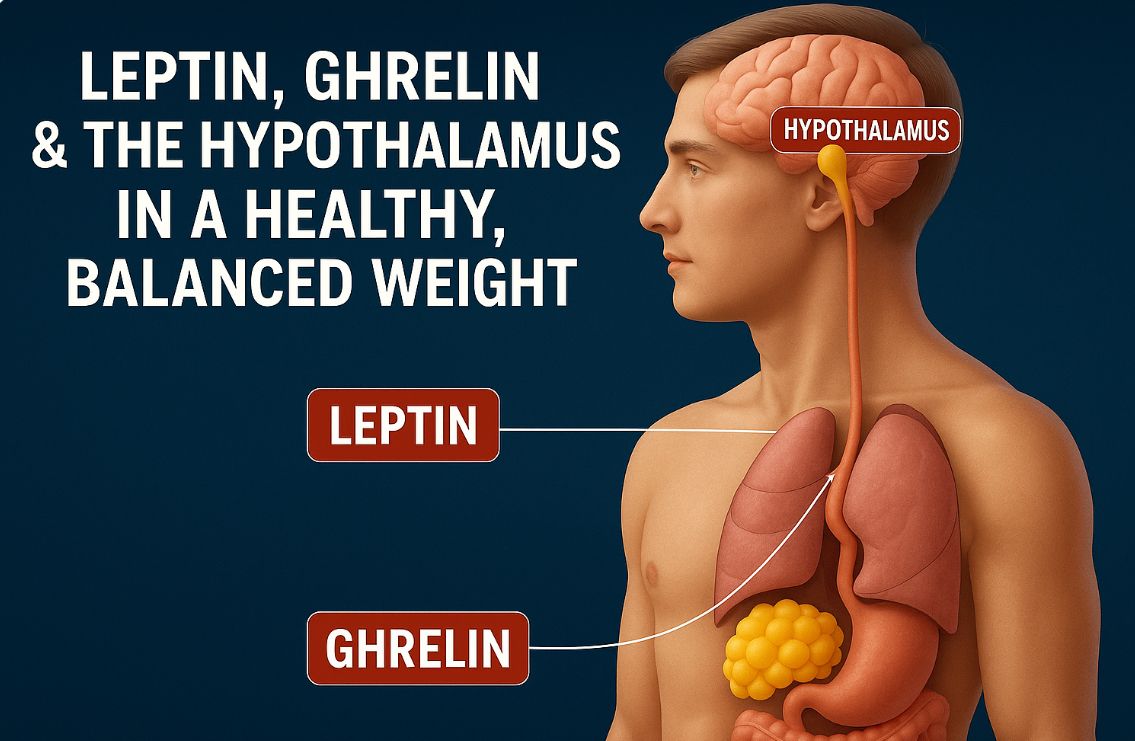
Let’s break down two key hormones:  leptin and ghrelin, and understand how they communicate with your brain, especially the hypothalamus, to help (or hinder) your journey to a balanced and healthy body.

Leptin: The “I’m Full” Hormone

Leptin is produced by your fat cells. Its job is simple: it tells your brain when your body has enough energy stored, so it can reduce your appetite.

More fat → more leptin

More leptin → brain reduces hunger

But here’s the catch: in people with excess body fat, leptin is constantly high.
Over time, the brain becomes resistant to this signal, like having someone shout “I’m full!” over and over, but no one listens anymore.
This is called leptin resistance, and it leads the brain to believe you’re starving, even when fat stores are overflowing.

Ghrelin: The “I’m Hungry” Hormone

Ghrelin, on the other hand, is produced in the stomach and does the opposite of leptin, it tells your brain that you’re hungry and need to eat.

Ghrelin rises before meals and drops after eating.

But it also spikes when you’re:

- Sleep-deprived

- Stressed

- Fasting too hard

- Eating poor-quality food


This is why, after a night of bad sleep, you wake up craving sugar or carbs, ghrelin is in charge.

The Hypothalamus: The Command Center

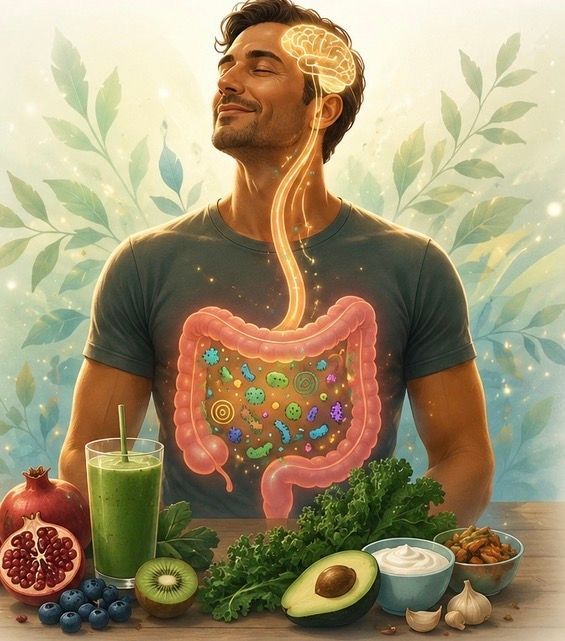
Both leptin and ghrelin send their messages to a tiny but powerful part of the brain: the hypothalamus.

The hypothalamus plays a central role in homeostasis ( the body’s ability to maintain internal stability, like temperature, energy levels, hunger, and hormones). 
It decides whether you should feel hungry, full, tired, or energized based on the hormonal signals it receives.

So even though the body is producing hormones like leptin and ghrelin, it’s the brain, especially the hypothalamus, that interprets those signals and gives the green light to eat or stop.

That’s why fat gain isn’t just a “body” problem. 

It’s a brain-based imbalance.

Homeostasis: The Balance Game

Your body constantly works to stay balanced, that’s homeostasis.

When homeostasis is off, your hunger, energy, fat storage, and even mood can suffer.

Fat loss isn’t just about cutting calories. 
It’s about restoring the natural balance between your hormones, your brain, and your behaviors.
How to Reset the System Naturally


Want to reduce ghrelin and improve leptin sensitivity?

Here’s where to start:

Prioritize Sleep: 7–9 hours per night resets your hunger hormones.

Eat Enough Protein: It reduces ghrelin and supports metabolism.

Avoid Ultra-Processed Foods: They confuse your hormonal signals.

Move Your Body Daily: Exercise improves leptin sensitivity.

Manage Stress: Chronic stress boosts ghrelin and drives emotional eating.

Avoid eating  between meals :  The more often you eat the more you stimulate ghrelin 

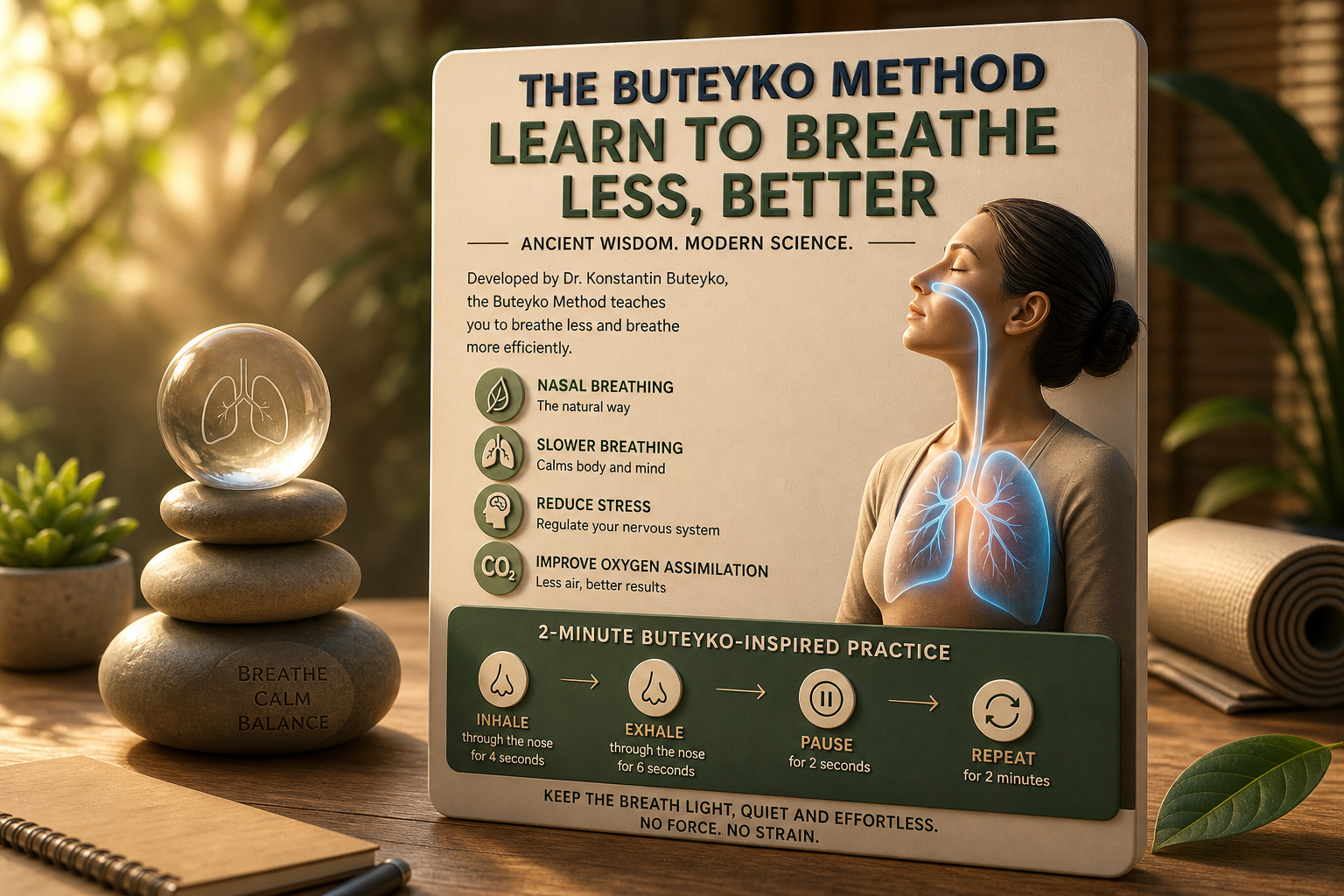
Remember the breathing slow, and light from nose helps to relax and to regulate the connection mind-body 

Final Thought: The Mind-Body Connection Is Real

Many people think cravings and fat storage begin in the stomach or fat cells. 
But they begin in the brain.

Leptin and ghrelin are just messengers, the hypothalamus decides how to respond.

Once you understand how these hormones work, you stop blaming yourself and start to realize maybe I should try to think differently. 

We must work with our  biology.

Balanced hormones. 
Balanced mind. 
Balanced body.
By Martial wahid Tebarki December 15, 2025
A strong, functional core is the foundation of human movement. It supports posture, protects the spine, and allows efficient transfer of force throughout the body. Visible abdominals are often seen as the ultimate aesthetic goal, but in reality, they are the result of two things working together: a consistently trained core and sufficiently low body fat. Abdominal training is by far one of the most underestimated and least appreciated workouts, yet it remains one of my personal favorites. Not because of aesthetics, but because of what it brings to the entire body: stability, force transfer, posture, and injury prevention. When trained intelligently, the core becomes the center that allows every other movement to be stronger and more efficient. The paradox is simple: the strongest things in life, and in the body, are often the least visible. True power is hidden. After more than twenty years across martial arts, dance, yoga, and fitness, I’ve seen it repeatedly: many people look big and impressive, yet are weak athletically. Appearance means nothing without internal strength. And yes, I want both, visible abs and real performance but true strength is always the premise. Two Types of Belly Fat: A Health Priority There are two main types of fat stored around the midsection, and for health reasons, the body addresses them in a specific order. Visceral fat is the deep internal fat that surrounds vital organs such as the liver and pancreas. It is strongly associated with metabolic disease, inflammation, insulin resistance, and reduced spinal mobility. Because it poses the greatest health risk, the body prioritizes reducing visceral fat when nutrition, movement, and sleep improve. Subcutaneous fat is the fat just under the skin, the layer you can pinch. This is the fat that visually hides the abdominal muscles. Once visceral fat begins to decrease and metabolic balance improves, the body becomes more efficient at reducing this outer layer. The Path to Visible Abs: Training and Nutrition Visible abs are not created by shortcuts. They are the reward for consistency in two essential areas: building the muscle and reducing the fat that covers it. Train the core regularly. Strengthening the rectus abdominis ( superficial muscles ( 6-8 packs) , obliques, and deep stabilizers builds the structure that eventually becomes visible. Research consistently shows that methods like Pilates are highly effective at activating the transverse abdominis, the deepest abdominal muscle acting like an internal corset, improving posture, spinal stability, and movement efficiency. Stomach vacuum breathing is a simple yet powerful tool. It is an isometric contraction that directly activates the transverse abdominis, helping improve internal tone, organ support, and spinal control. Control food intake and recovery. You can train your abs daily, but without reducing overall body fat, they will remain hidden. Avoid constant snacking and heavy meals late at night, which negatively affect metabolic health. Quality sleep is equally critical, poor sleep elevates cortisol and disrupts hunger hormones, making fat loss harder, especially around the belly. Efficient Fat Loss Through Sustainable Movement To reduce subcutaneous fat, you must create a consistent energy deficit, and movement plays a key role. Highly intense efforts such as sprinting are powerful for hormonal response and calorie burn, but they are not suitable for everyone and require proper preparation. Even I only sprint when my body feels fully ready. For long-term results, focus on sustainable aerobic movement such as brisk walking, running, swimming, or cycling. Maintaining an elevated heart rate over time supports fat loss without overwhelming the nervous system. For instance after your Pilates session or strength training, ( like a Total body workout), go for a run, or a sauna session, or for some roller skating, any physical activity that will stimulate your cardio vascular system and burn more fat. Final Thought If your goal is a strong core and a leaner midsection, start with the essentials: intelligent abdominal training ( Pilates), disciplined nutrition, quality sleep, and regular movement. Stop eating 4 to 5 hours before sleeping, and drink only water to keep the body hydrated. When you respect how the body works from the inside out, visible abs appear naturally, not by force, but as a reflection of true internal strength.
By Martial+wahid Tebarki November 14, 2025
Nitric Oxide sits at the center of almost every process that keeps you alive, sharp, and resilient. What Is Nitric Oxide (NO), And Why Is It So Important? In a world filled with health trends and new discoveries, few molecules deserve the spotlight more than Nitric Oxide (NO). It’s one of the most powerful yet underestimated elements of human vitality, influencing everything from your circulation and brain function to your ability to regenerate, focus, and age gracefully. Most people don’t even realize Nitric Oxide exists, yet it quietly sits at the center of almost every process that keeps your body alive, your brain sharp, and your energy high. What Is Nitric Oxide (NO) and Why Is It So Important? Nitric Oxide is a simple gas, just one atom of nitrogen and one of oxygen but its impact on your health is immense. It acts as a messenger molecule, telling your cells how to function efficiently. Here’s what makes it so powerful: The Master Vasodilator: NO tells the muscles around your blood vessels to relax, allowing them to widen. This improves blood flow everywhere, heart, brain, and muscles. More flow means more oxygen, nutrients, and energy. Immunity & Cleansing: In your nasal passages, NO helps kill bacteria and viruses. In your bloodstream, it acts as a natural internal cleanser, neutralizing microscopic threats. The Cognitive Protector: Poor circulation is one of the main causes of cognitive decline ( like Dementia ). NO improves blood flow and oxygen delivery to the brain, supporting memory, focus, and long-term mental clarity. Fat Loss & Energy: NO enhances how your mitochondria use oxygen, helping you generate clean energy and burn fat more efficiently. Regeneration & Youth: The Stem Cell Connection If there’s one key to longevity, it’s your body’s ability to regenerate and repair itself. Deep inside your bones lies a powerful source of renewal, the bone marrow . It’s where your body continually creates fresh stem cells , the tiny repair units that help you heal, rebuild, and stay young. When Nitric Oxide levels are strong, it sends a signal to your bone marrow to release these repair cells into your bloodstream. From there, they travel wherever the body needs restoration, muscles, organs, blood vessels, even skin. By supporting your Nitric Oxide production, you’re essentially keeping this inner “repair factory” switched on, the foundation of regeneration and lasting vitality. The NO–Spleen Connection: Your Hidden Oxygen Reserve Your spleen plays a quiet but vital role, filtering blood and storing oxygen-rich red blood cells. Nitric Oxide helps regulate this system, allowing the spleen to release these reserves when your body needs them most during exercise, deep breathing, or moments of stress. Interestingly, some traditional diving tribes, like the Bajau people of the Philippines , are known for their extraordinary ability to hold their breath underwater for long periods. Research links this to their larger spleens and higher Nitric Oxide activity, allowing them to store and release more oxygen into circulation. This natural adaptation beautifully illustrates how Nitric Oxide and spleen function together to enhance endurance, oxygen use, and resilience, the same principles we can all support through lifestyle and breath. Your Internal NO Factory: The Power of Intentional Breathing A significant amount of Nitric Oxide is produced in your paranasal sinuses , which means your breathing habits directly affect how much of it you make. This is where your body creates pure NO gas , ready to enter the lungs and bloodstream. You literally have an internal “NO factory,” and you can activate it through simple, conscious breathing techniques, some of which I teach in my Breathing Programme ( check it out ) : Humming (Bee Breathing): The vibration from humming increases nasal NO production up to 15 times more than quiet breathing. Restrictive Breathing: Slightly limiting airflow through one nostril or gentle resistance breathing boosts NO release and deepens your connection to your body. These are simple practices you can do every day. Not only do they enhance oxygen delivery and Nitric Oxide production, they also help you reconnect with your own perception, rhythm, and inner calm. Fueling Your Internal NO Factory: The Best Foods Your body needs the right nutrients to build and sustain Nitric Oxide. Food don't contain Nitric Oxide directly; They contain nitrates (NO₃⁻) and nitrites (NO₂⁻), which are natural compounds your body converts into NO through a fascinating internal process, nitrate (NO₃⁻) and nitrite (NO₂⁻) are not nitric oxide (NO); they are precursors that can be converted into nitric oxide within the body. 1. You eat nitrate-rich foods ( like beetroot, spinach ..) 2. Bacteria in your mouth convert these nitrates into nitrites. 3. in your stomach and tissues, your body converts nitrites into active Nitric Oxide. So while the NO from food isn't the same molecule as the pure gas produced in your paranasal sinuses, your body assimilates and transforms it into the same beneficial form that supports circulation, oxygen, and vitality. Think of these foods as your natural NO boosters but in a slightly different form: Leafy Greens & Beetroot: Rich in natural nitrates your body converts into NO. Garlic: Helps your body produce NO and keeps it active longer. Watermelon & Pomegranate: Contain L-citrulline and antioxidants that extend NO’s life. Red Cayenne Pepper: Stimulates circulation and supports NO release. An Easy Daily Drink Example: You can always readjust ,ad or remove some pieces Once you understand the benefits of each nutriments, you can make your own healthy juices It does not have to be the same every day Blend beetroot juice with a squeeze of lemon and a pinch of sea salt and ginger . This simple mix is a powerful way to boost blood flow and oxygen delivery. Lemon not only adds freshness, its natural vitamin C enhance chemical reactions and nutrient transport, helping your body convert and preserve Nitric Oxide more effectively. The Energy Triad: Heart, Mitochondria & Nitric Oxide Your heart is packed with mitochondria, tiny energy factories that rely on oxygen to power every cell. Mitochondria are called the "powerhouse of the cell" because they are responsible for producing most of the cell's energy, they turn oxygen and nutrients into energy. Nitric Oxide keeps this system running smoothly: It optimizes how mitochondria use oxygen. It protects them from stress and fatigue. Together, they form an Energy Triad: NO fuels mitochondria → mitochondria energize your heart → your heart circulates oxygen to sustain NO. This is the biological rhythm of vitality that your built-in loop of energy and longevity. A Holistic Approach to Longevity Supporting Nitric Oxide production through breath, nutrition, and mindful living does far more than optimize one molecule, it awakens an entire internal ecosystem: A stronger heart, sharper cognition, deeper energy, and a more youthful, resilient body. I’m also sharing a link to one of my previous blogs 🔗 http://www.zenitudefitpilates.com/heart-life-elixirs-blends-infusions-for-health-circulation-longevity Heart & Life Elixirs, Blends & Infusions for Health, Circulation & Longevity which I think connects beautifully to this topic. It explores natural blends and ingredients that support circulation, heart health, and, of course, Nitric Oxide, another piece of the longevity puzzle. Final Message In a world full of confusion, shortcuts, and misinformation, I want this space to remain your trusted source. I will always bring you the real science behind health, no noise, no hype, no wasted time. So next time you breathe deeply through your nose, hum softly, or enjoy a plate of greens, remember: You’re not just taking care of your body, you’re fueling your longevity, one molecule of Nitric Oxide at a time
By Martial+wahid Tebarki November 7, 2025
Long before supplements and superfood trends, people turned to a simple golden tonic, apple cider vinegar (ACV). Inside every raw, cloudy bottle lives “The Mother”, a natural culture of beneficial bacteria and enzymes created during fermentation. This living tonic has been trusted for thousands of years to support digestion, energy, and natural cleansing. A Timeless Remedy From ancient Egypt to Greece and Rome, vinegar was valued for healing and preservation. Even Hippocrates, the father of medicine, prescribed it with honey as a natural tonic. True ACV is made when apple cider undergoes a second fermentation, forming the mother, the source of its potency. Most commercial vinegars are filtered and pasteurized, removing this natural vitality. Why “The Mother” Matters That cloudy layer at the bottom of the bottle is a sign your vinegar is alive. It contains: Probiotic bacteria that nurture gut health Enzymes that support digestion Acetic acid that balances stomach pH Together, they help: Improve digestion and nutrient absorption Reduce bloating Boost metabolism and fat burning Strengthen immunity through a healthy gut Modern studies confirm these traditional uses, showing ACV’s ability to stabilize blood sugar, enhance insulin sensitivity, and support fat metabolism. What Is Acetic Acid? Acetic acid is the main active compound in apple cider vinegar, responsible for its sharp taste and most of its health benefits. It’s formed naturally during fermentation when beneficial bacteria convert apple sugars into alcohol, then into vinegar. Acetic acid plays a key role in supporting digestion and metabolism: Balances stomach pH: Enhances acidity to improve digestion and nutrient breakdown. Supports gut health: Its mild antibacterial effect helps control harmful bacteria and encourages healthy flora. Regulates blood sugar: Slows carbohydrate absorption, keeping glucose levels stable. Aids fat metabolism: Helps the body use fat more efficiently as an energy source. In short, acetic acid is what gives apple cider vinegar its natural healing strength. Used consistently, raw, unfiltered ACV with the mother can: Detoxify naturally Balance pH and digestion Ease bloating, nausea, and heartburn Support immunity and clear sinuses Regulate blood sugar and appetite Lower cholesterol and blood pressure Reduce inflammation and joint pain Improve skin clarity and scalp health Alkaline-Forming Effect: Though ACV is acidic by nature, once metabolized it has an alkaline-forming effect in the body, supporting natural pH balance. This doesn’t alter blood pH but helps prevent internal acid buildup and support overall metabolic balance. It is a simple way to stay balanced, and aligned with the body’s natural rhythm. My Evening Ritual: The Overnight Reset Almost each night, I mix one tablespoon of raw ACV in a glass of water before bed, a small act that brings noticeable results. I wake up lighter, less bloated, and more energized, as if my body has naturally reset overnight. Why it works: Keeps blood sugar stable through the night Supports digestion after dinner Reduces water retention Enhances fat metabolism Calms cravings and improves morning energy (Always dilute ACV and rinse your mouth afterward to protect your teeth.) How to Use It 1 tablespoon once or twice a day is enough: Before meals especially if it is high protein : To boost digestion Before bed: For overnight metabolism support In food: As a tangy addition to salads, soups, or marinades Choosing the Right Bottle Look for these words on the label: Organic. Raw. Unfiltered. With the Mother. These indicate your ACV is alive, unprocessed, and full of active nutrients. Brands I Trust From my experience, these offer both quality and authenticity: Bragg; the original benchmark for purity Organic Larder ; locally available and excellent value Other reliable options include: Eat Wholesome, Kevala Organic, Wedderspoon, and American Vinegar Works, all raw, organic, and crafted with care. Where to Find It in Dubai You can easily find raw ACV with the mother at: Supermarkets: Spinneys, Carrefour Bio, Lulu Hypermarket Health Stores: Organic Foods & Café, Wild & The Moon Online: Noon, Amazon UAE, Life Pharmacy A Natural Combination You Can Try A simple mix of coconut water, raw apple cider vinegar, and a squeeze of lemon is often shared in wellness circles as a refreshing, alkalizing drink. It’s said to support digestion and provide mild antifungal benefits. Laboratory studies show apple cider vinegar has antifungal properties, particularly against yeast strains. Coconut water’s effect is less studied, and the combination with lemon for fat loss is promising but not clinically proven. Still, I have tried ACV with water alone and with the mix, there is indeed a difference and I feel great after. The blend is anyway good for a hydrating, as a natural cleansing drink, especially before or after workouts or during detox days. As always, listen to your body and choose what feels right for you. Final Thoughts In a world where staying healthy and energized takes effort, I’m always seeking natural rituals that truly work. Apple cider vinegar has earned its place in my daily routine, simple, powerful, and time-tested. A small glass almost each night reminds me that health doesn’t need to be complicated, only consistent.
By Martial+wahid Tebarki October 26, 2025
You’ve probably heard of Ozempic and Mounjaro , the injectable medications that seem to promise quick, effortless weight loss. They’ve become a global phenomenon, often used by people who aren’t even diabetic or medically overweight. Few of my clients have been asking my thoughts about the use of these drugs And that’s what makes me pause. How did we reach a point where so many are willing to trick their body with strong medications — often without fully understanding what’s happening inside? What Are Ozempic and Mounjaro? Both drugs were originally designed to help people with type 2 diabetes regulate blood sugar. Ozempic contains semaglutide Mounjaro contains tirzepatide They mimic hormones that your body naturally produces after eating. These hormones slow digestion, lower blood sugar, and send signals to your brain that you’re full. The result? You feel satisfied with smaller portions, eat less, and the weight starts to drop, often fast. But while that sounds ideal, your body always keeps score. Taking Ozempic and Mounjaro can lead to nutrient deficiencies. How They Work Inside the Body Semaglutide (Ozempic) mimics GLP-1 (a naturally occurring hormone called glucagon-like peptide-1 that helps regulate blood sugar and appetite. It works by stimulating insulin release, slowing digestion, and making you feel fuller Tirzepatide (Mounjaro) goes further, it acts on both GLP-1 and GIP ( gastric inhibitory polypeptide ) is a hormone released from the upper intestine after eating, which primarily stimulates the pancreas to release insulin to manage blood sugar, giving an even stronger appetite-suppressing and blood sugar–balancing effect. That’s why many lose weight rapidly. But this dual hormonal action also places extra pressure on your metabolism, digestion, and energy systems. The Hidden Side Effects At first, users may only feel nausea, bloating, or fatigue, but with time, other effects begin to appear. Loss of muscle mass : When you eat too little, your body starts breaking down muscle for energy. This can make you appear slimmer but weaker, often called “skinny fat.” Changes in skin texture : Rapid weight loss can leave the skin dull or loose, especially in the face, a look often referred to as “Ozempic face.” Hair loss : Common during fast weight reduction, due to stress on the body and lack of nutrients. I’ve seen this firsthand in some of my clients: yes, they lose weight but they also lose glow, muscle tone, and vitality. Their skin looks tired. Their energy drops. Their metabolism slows. I remember one of my clients who was taking one of those medications, she often had to stop our Pilates sessions to rush to the bathroom, feeling nauseous and unwell. "That’s not balance. That’s burnout in disguise." What Happens When You Stop Here’s the truth most people don’t talk about: When you stop taking these drugs, most people regain the weight and often more. Why? Because the medication suppresses your hunger artificially. Once it’s gone, your natural hunger signals return, often stronger than before. The body, in its wisdom, tries to go back to what it considers its “normal” weight, what scientists call the set point. Research on semaglutide shows that people who stopped the injections regained up to two-thirds of the weight they had lost within a year. So unless your lifestyle, nutrition, and habits have completely changed during treatment, the rebound is almost inevitable. Should You Train While Taking These Medications? Yes and you must if you want to protect your body because you need to b uild and maintain muscle with regular strength training. It is important to support your metabolism with daily movement. Eat enough protein to prevent muscle loss and keep your skin firm. Stay hydrated and listen to your body’s signals. without proper nutrition and resistance training, weight loss from using Ozempic will likely include significant muscle and water loss, leading to a worse body composition. Exercise is your protection. It’s what keeps your body alive, strong, and truly healthy. When These Drugs Can Make Sense For those with obesity or diabetes, these medications can be life-changing tools, when used under serious medical supervision and combined with proper nutrition and exercise. But for generally healthy individuals seeking a shortcut, the long-term safety remains unclear. We still don’t fully know how these drugs affect hormones, organs, and metabolism in the next few years. “This is not a cure. It’s a medical aid and it only works long-term if lifestyle follows.” My Honest Opinion I understand how difficult it can be for some to manage their weight. It’s emotional. It’s physical. And it takes daily effort. But I also believe in discipline, consistency, and self-respect. Many of the people I’ve seen taking these injections were not truly obese, just inconsistent. They often ate poorly or drank alcohol several times a week. And I found myself wondering: Why reach for a strong drug before trying real consistency? Quick fixes might change the scale, but they don’t change the person. The lifestyle, the daily habits, are what sustain health. The injections might work for a while, but when you stop, your habits remain. What Happens When You Stop And How to Prepare If you and your doctor decide to stop, it’s essential to: Reduce slowly instead of stopping suddenly, to help your body readjust. Reinforce your nutrition and movement, eat well, lift weights, move daily. Work on behavior and mindset, because the return of hunger can feel emotional and overwhelming. Keep moving and exercising, Pilates, Yoga, Walk Think of it like stopping medication for high blood pressure, if the root cause isn’t addressed, the condition comes back. The same goes for weight management. The Body Never Forgets Weight loss from medication can be impressive, but it’s fragile if not built on solid foundations. The body always remembers what you feed it, how you move it, and what you demand from it. That’s why I prefer the slow, honest path, nourishing food, consistent movement, good sleep, and balance. It’s not a race; it’s a lifelong partnership with your body. In the end, your body always remember what you feed it and how you treat it, choose natural, keep moving, and it will reward you with strength and longevity.
By Martial+wahid Tebarki October 10, 2025
The Foot: Taking Roots to Fly Inspired by Leonardo da Vinci, the eternal admirer of the foot’s divine design. Your Foundation: The Masterpiece of Movement Your feet are your first connection to the Earth, the essential base of every posture, every movement, and every signal your body sends upward. Yet, in modern life, we often trap them, squeezing them into stiff, supportive, or immobilizing shoes while ignoring their brilliance. Leonardo da Vinci called the human foot “a masterpiece of engineering and a work of art.” He was right. Each foot houses 26 bones, 33 joints, and over 100 muscles, tendons, and ligaments, all working in perfect harmony to provide balance, propulsion, and sensory feedback. Think of your feet as a mirror of your spine: stiffness, weakness, or collapse at the base always travels upward, shaping your posture and the entire kinetic chain. 1. The Foot–Spine Connection: Where Tension Travels A compromised foot often signals a compromised spine. When your foot loses its natural mobility or alignment, the structure above it compensates. Every step transmits vital information from the ground, through your calves, knees, hips, and spine. If your foot cannot absorb and distribute forces efficiently, excess tension moves upward, creating stiffness, fatigue, and pain in the knees, hips, or lower back. Your ability to stand tall, move freely, and feel grounded starts in your arch. 2. The Calf: The Bridge Between Ground and Flight Your calves, comprising the gastrocnemius and soleus , aren’t just aesthetic muscles. They are powerful stabilizers and the primary engines transmitting force between the Earth and your core. They are your vertical bridge. The Power Mover (Gastrocnemius): The visible upper calf, rich in fast-twitch fibers, drives propulsion, sprinting, jumping, and lifting your heel with a straight knee. Best trained with high-load, explosive movements. The Silent Stabilizer (Soleus): The deep, dense lower calf, full of slow-twitch fibers, works quietly to absorb impact, control motion, and stabilize posture during walking or standing. Best trained with frequent, low-load activation. Strong, supple calves and mobile ankles ensure energy flows efficiently from the ground to your head without “leaks,” misalignment, or strain. 3. The Soleus: Your Second Heart, Metabolic Engine & Immune Ally The soleus is often called the “second heart” for a reason. It actively pumps blood upward against gravity, keeping circulation moving when you are standing or walking. But its role goes far beyond circulation. Frequent, low-intensity activation of the soleus: - Improves glucose metabolism and insulin sensitivity , helping your body handle sugar efficiently throughout the day. - Enhances venous return , keeping blood moving and tissues nourished. - Supports a strong immune system , as efficient circulation ensures immune cells are delivered where they are needed most. A healthy, active soleus keeps your legs light, blood flowing, metabolism working efficiently, and your immune defenses ready. The Key: The soleus thrives on frequent, gentle contractions, not heavy lifting. Short bouts of activation throughout your day are a simple, powerful hack for circulation, energy, metabolic efficiency, and overall health. When Roots Are Trapped: Cramps and Curled Toes Recurring foot or calf cramps, especially at night, are a loud cry for help, often signaling poor blood flow or a weak soleus. An underactive muscular pump slows venous return, limiting oxygen and nutrient delivery while allowing metabolic waste to build up, leading to tension, spasms, and fatigue. The Toe Messengers: A weak or tight soleus can compress the deep fascia surrounding the flexor digitorum longus (FDL), the deep muscle that curls your four smaller toes and supports foot stability. When the FDL compensates for a trapped or weak soleus, it grips the ground excessively, causing curled or cramped toes. To Free Your Roots: - Activate the soleus : Bent-knee calf raises (“soleus push-ups”) several times daily. - Build gastrocnemius power : Straight-leg calf raises for explosive strength. - Release the FDL: Foam Roll the inner calf from ankle to mid-leg, stretch calves, and mobilize toes. - Hydrate & mineralize: Keep water, magnesium, and potassium balanced. Tight or weak calves don’t just limit your movement, they trap your roots and hold you back from your full potential. 4. Reawaken Your Feet: Sensory Intelligence Da Vinci admired the foot not just as a mechanical marvel, but as a sensory masterpiece. The soles are intelligent springs, packed with sensory receptors that continuously inform your brain about pressure, position, and balance. They are living maps for posture. When these receptors dull ( turning off ) from thick shoes, stiffness, or inactivity, your nervous system loses its most grounded feedback system. Balance, coordination, and spinal alignment all suffer. Your Daily Practice to Rise Freely Reconnect with your base and awaken this intelligence: Grounding: Walk barefoot on natural surfaces, grass, sand, or textured floors. Sensory Feedback: Roll your feet on a small ball or textured surface for 60 seconds per side daily. Strength & Stability: Practice single-leg balance drills and dynamic ankle movements. Mobility: Stretch toes and calves deeply each morning and evening. Final Thought Your feet are not just for walking, they are your roots and your wings. The soleus is your silent heart, keeping blood flowing, metabolism primed, and immune defenses strong. The gastrocnemius is your bridge, giving you power and propulsion. When you ground deeply, you rise freely. As your feet and calves awaken, your whole body follows, from knees to hips, from Earth to Sky. "Taking Roots To Fly"
By Martial+wahid Tebarki October 4, 2025
Why I Wrote This Blog For years, I've been fascinated by coffee. It's more than a beverage; it's a global phenomenon and a daily ritual. I've explored countless books and studies, always asking: "How does this common drink truly affect my body?" This blog brings together years of personal curiosity and research, from the biochemistry of performance and energy to the nuances of nutrition, hormones, mood, and aging. Another opportunity to understand the delicate dance between what we consume and our health. Coffee's Place in the World Coffee is a universal staple, until the 19th century, the enjoyment of coffee was initially reserved for a wealthy elite, kings, princes and the court nobility, the average citizen had no access to the luxury good. This changed with the Industrial Revolution, when factory owners realized that coffee had a production-enhancing effect. Today Coffee is one of the most widely consumed beverages globally, with over 2.25 billion cups consumed daily. Caffeine, Energy, and the Fatigue Trap Caffeine is a powerful stimulant. It works by binding to adenosine receptors in the central nervous system, effectively blocking the chemical signal that tells your brain you're tired. This is why coffee feels so energizing and uplifting. But here’s the subtle truth I've learned to embrace: I rarely use coffee to fight fatigue ( or rarely ) Instead, I see it as an enhancement. When genuine tiredness hits, I turn to rest, deep breathing, or my favorite natural energy shot: a blend of fresh ginger, turmeric, and honey. This awakens me without the peak overstimulation. Coffee, Brain, and Performance The cognitive benefits of coffee are well-documented: • Focus & Alertness: It demonstrably improves concentration, short-term memory, and mental sharpness. • Creativity: Many, myself included, find a gentle sip of coffee enhances inspiration and flow. • Neuroprotection: Research continues to explore coffee's potential role in protecting against age-related cognitive decline. However, the key is dosage. There is a very fine line between gentle enhancement and overstimulation, which can lead to anxiety and stress. Hydration, Minerals, and Muscle Health This is a critical area often overlooked. Caffeine is a diuretic, meaning it promotes the loss of water from the body by increasing urine output. If you replace your first glass of water with coffee, you start your day in a state of dehydration. Beyond water, this diuretic action can also flush out essential minerals: • Electrolyte Depletion: Caffeine can accelerate the excretion of electrolytes, particularly Potassium and Magnesium. • The Cramp Risk: Magnesium is vital for muscle relaxation, and Potassium is crucial for fluid balance. A loss of these can contribute to the very symptoms I mentioned—muscle tightness, stiffness, and increased risk of cramps. • Calcium: Coffee consumption is also linked to slightly increased urinary excretion of Calcium. The practical takeaway: For every cup of coffee you drink, ensure you follow it with a large glass of water. Active individuals should consider increasing their intake of mineral-rich foods. Deep Dive: Hormones and Sensitivity The relationship between caffeine and our endocrine system is complex, personal, and profoundly important, especially for women. 1. Stress Hormones (Cortisol) Caffeine stimulates your adrenal glands to release cortisol (your primary stress hormone). This provides the "alertness." However, chronic, high intake of caffeine, especially on an empty stomach, can lead to a state of chronic, low-grade stress, impacting overall hormonal stability. 2. Estrogen Metabolism and the Liver • The Liver's Crucial Task (Processing for Elimination): After estrogen is used by the body, the spent hormones must be broken down and prepared for safe removal. This vital process, which involves deactivating and making them water-soluble is the liver's key job. • The Caffeine Conflict: Caffeine is also processed (metabolized) in the liver, meaning it is broken down and prepared for elimination, often using some of the same enzyme pathways needed to clear the spent estrogen. • The Impact on Women: This competition can lead to a slower clearance of spent estrogen. For women sensitive to hormonal shifts, this delay can influence PMS symptoms, cycle regularity, or aggravate menstrual cramps. The key for everyone? Moderation is key, particularly during periods of high stress or around menstruation, when the body is naturally more sensitive. Coffee, Sleep, and Aging The importance of timing cannot be overstated. Caffeine has a half-life of around 5–6 hours. This means that 5 hours after your last sip, half the caffeine is still active in your system. For optimal sleep quality—the foundation of all health—I never drink coffee past the early afternoon. Regarding Aging, excessive caffeine intake may prematurely accelerate aging, primarily by: • Interfering with high-quality, deep sleep and recovery. • Maintaining persistently high cortisol levels. Cafestol, Kahweol, and the Cancer Question Coffee beans naturally contain potent oils called cafestol and kahweol. The presence of these compounds in your cup is determined by your brewing method. Brewing Method Matters: • Unfiltered Methods (French press, Turkish coffee, boiled coffee, most espresso from metal filters) allow these oils to pass directly into your cup. • Crucial Clarification: Most automatic home coffee machines and café espresso machines do not filter out these oils, as they use metal filters or fine mesh, not paper. • Filtered Coffee (drip or pour-over using a paper filter) effectively traps most cafestol and kahweol. Health Impact: 1. Cholesterol: Cafestol is one of the most potent natural substances known to raise LDL ("bad") cholesterol. If you have elevated cholesterol or a heart risk, filtered coffee is the safer, better choice. 2. Tumors and Cancer: Large studies suggest that regular coffee consumption is associated with a reduced risk for several types of cancer, attributed to the bean's high content of antioxidants. The Official Stance on Safe Intake (FDA) When looking at safe consumption, the U.S. Food and Drug Administration (FDA) cites 400 milligrams (mg) of caffeine per day as an amount generally not associated with dangerous or negative effects in healthy adults. In simpler terms: This 400 mg limit is often cited as roughly three to five cups of regular brewed coffee, depending on the strength. The FDA acknowledges that individual sensitivity varies widely. However, it is crucial to remember that a "safe limit" is not the same as an "optimal limit." We must read data and research with a personal, unique mindset, looking for perfect balance, far from the edge of what is safe. My Personal Balance I genuinely love coffee, its rich aroma, the quiet morning ritual, and the grounding presence it provides. But I've committed to moderation and awareness in my eating and drinking. • One espresso a day is my limit. Sometimes no coffee at all but rarely I go for two. • More than two cups makes my muscles tense and my back feel tight, a sign that my nervous system (and possibly my electrolytes) are becoming unbalanced. I rarely cross that line. My Recommendation: 1 to 2 Cups Maximum for Optimal Function Personally, consuming 3 to 5 cups is far too much for maintaining my best health. I look for optimal function, not the extreme edge of safety. Based on the science of cortisol, mineral balance, and sleep quality, I strongly recommend keeping your intake to a maximum of one to two moderate cups (or shots of espresso) per day. This conservative approach allows you to reap the cognitive and antioxidant benefits while ensuring you support your mind, body, and optimal functional lifestyle. And if you can function 100% without coffee, keeping it away is even more perfect. Closing Thoughts: A Call for Self-Awareness Coffee is a fascinating blend of chemistry, culture, and ritual. It can energize and inspire, but it can also disturb sleep and affect sensitive systems depending on the quantity and preparation. For me, the path to health lies in moderation, awareness, and self-knowledge. Coffee has its rightful place, but it will never define my energy. Let me share with you a prime example of that commitment: A client recently offered me a coffee during an afternoon training session at 5 PM. I wanted and felt like I needed that boost, but I politely declined. Why? Because by 5 PM, my body is already starting the crucial four-hour wind-down to produce melatonin. Blocking that natural signal would guarantee compromised sleep. Instead, I opted for water and a commitment to 100% recovery that night. This story shows the core lesson: The key is cultivating awareness and discipline, even when desire is strong. "Rest, movement, and natural foundations will always be the priority that sustains"
By Martial+wahid Tebarki September 29, 2025
Heart & Life Elixirs – Blends & Infusions for Health, Circulation & Longevity The Secret of Longevity and Good Health I truly believe that blends and infusions are an essential part of health and longevity. They’re not just drinks, they’re medicine in a glass. Blends and infusions have been a cornerstone of my daily routine for a long time. I have always done this, it is truly a part of my everyday life. Every day, I experiment with a new version, mixing different fruits, roots, and herbs to nourish the body in multiple ways. Today, I want to share a blending that specifically supports heart, arteries, vessels, and blood circulation, a powerful mix for energy, stamina, and overall vitality. The Heart as Our Engine The heart is the tireless engine that powers life. It beats constantly, delivering blood, oxygen, and nutrients to every cell. Supporting it is essential for overall health, energy, and longevity. Strong circulation ensures that not only muscles and organs thrive, but also hormonal glands, which regulate mood, energy, and vitality. That’s why I create blends specifically designed to strengthen the heart, arteries, vessels, and blood flow. The Heart Tonic Blend – Circulation & Mitochondria Support Ingredients: 1 teaspoon fresh ginger (or a small cut of root) Juice of 1 full lemon 1 handful of blackberries or blueberries (fresh or frozen) 1 frozen sachet of açaí pulp 1 teaspoon kale powder 1 beetroot (raw or lightly steamed, cut into pieces) 1 teaspoon MCT oil 2 glasses of water Why Each Ingredient Matters Ginger → Stimulates circulation, reduces inflammation, and aids digestion, making nutrient absorption more efficient. Lemon → Rich in vitamin C for vessel health, collagen support, and enhanced mineral absorption (especially iron from kale). Blackberries or Blueberries → Loaded with anthocyanins and vitamin C, they protect blood vessels, reduce oxidative stress, and support memory and cognition. Açaí → High in antioxidants, omega fats, and polyphenols, açaí deepens the antioxidant profile and nourishes both brain and heart. Kale Powder → A powerhouse of vitamin K, calcium, iron, and chlorophyll, all essential for circulation and oxygenation of the blood. Beetroot → Naturally high in nitrates that convert to nitric oxide , helping vessels relax, lowering blood pressure, boosting circulation, and improving stamina. Excellent for heart, arteries, vessels, and blood flow. MCT Oil → Feeds mitochondria directly with clean energy and improves absorption of fat-soluble nutrients, making the blend more bioavailable and powerful. The Power of Mixing Lemon + Kale → Vitamin C maximizes iron absorption. Berries + Açaí → Antioxidant synergy protects mitochondria, heart, and blood vessels. Beetroot + Ginger → Nitric oxide boost + enhanced circulation for better delivery of nutrients to the heart and vessels. MCT Oil → Supercharges mitochondria and improves assimilation of fat-soluble nutrients. Blending these ingredients together creates a super-elixir that nourishes the heart, arteries, vessels, and blood circulation efficiently. Why It’s Good for the Heart This blend is particularly powerful because it: Boosts nitric oxide – Beetroot relaxes vessels, lowers blood pressure, and improves circulation. Improves circulation – Ginger, berries, and açaí keep blood flowing smoothly through arteries and vessels. Protects arteries and vessels – Lemon, kale, and açaí shield vessel walls from oxidative stress and calcification. Energizes the heart muscle – MCT oil fuels mitochondria in heart cells with clean, efficient energy. A Daily Blessing – Blends & Infusions for Health & Longevity Blends and infusions are more than just beverages, they are daily acts of care. I rotate different versions each day, experimenting with fruits, herbs, and roots. Every infusion or blend becomes a nourishing ritual, supporting energy, circulation, and long-term health. This long-standing daily practice has taught me that consistency, variety, and quality of ingredients are key to building resilience, vitality, and longevity. Synergy in Blending Not all ingredients work equally well alone, combining the right fruits, herbs, and roots amplifies their benefits. Vitamin C-rich fruits + iron-rich greens → improved absorption Berries + açaí + beetroot → supercharged antioxidant and nitric oxide effect MCT oil → enhances fat-soluble nutrient absorption and feeds mitochondria Food as Medicine This Heart Tonic is a true tonic, supporting circulation, nourishing blood, strengthening the heart, arteries, and vessels, fueling mitochondria, and boosting energy. With each infusion and blend, we tap into the power of natural foods, improving mood, protecting health, preventing illness, and enhancing longevity. Food can change the way you feel, move, and live. It strengthens the heart, supports vessel health, and ensures blood circulation flows efficiently, keeping the engine of your body strong and resilient. By making blends and infusions a daily ritual, we can create small but powerful habits that support health and longevity for years to come.
By Martial+wahid Tebarki September 26, 2025
Rib Cage Position and the Zone of Apposition The way your rib cage sits just above your hips is key for proper diaphragm movement and efficient breathing. Ideally, the ribs should stay down and slightly closed, not flared open. This allows the diaphragm to stretch downward first, before the lungs expand sideways. If the chest is lifted too much, the diaphragm cannot fully descend or stretch, which limits breathing efficiency and reduces stability through your core. This balanced rib cage–pelvis relationship creates what’s known as the Zone of Apposition (ZOA)—the optimal position for breathing and movement. Understanding the Zone of Apposition (ZOA) The Zone of Apposition is the region of the diaphragm that lies in direct contact with the inside surface of the lower rib cage. Anatomically, it’s the vertical portion of the diaphragm’s muscle fibers attaching to the lower ribs. Functionally, it’s crucial because it allows the diaphragm to: Generate intra-abdominal pressure Maintain efficient breathing mechanics Support core stability A good ZOA exists when the rib cage is stacked and aligned over the pelvis (ribs down, hips neutral). In this position: The diaphragm descends effectively during inhalation. The abdominal wall counterbalances the diaphragm’s action. Breathing becomes more efficient, and core stability improves. When the rib cage flares up and out (chest lifted too much or spine overextended), the ZOA decreases. The diaphragm muscle loses mechanical advantage, making breathing less efficient and reducing stability. The Spine and Breathing Your spine has a natural S-shape curve, a balance of gentle arches in the neck, mid-back, and lower back. This shape provides both strength and mobility. When you don’t breathe with your diaphragm, the rib cage tends to lift and the chest over-expands. This disrupts spinal alignment and exaggerates one of the curves, often the thoracic kyphosis (mid-back rounding) or the lumbar arch (low-back sway). Over time, poor breathing mechanics create stiffness, tension, and postural imbalance. In contrast, diaphragmatic breathing helps preserve the spine’s natural S-shape, stabilize the core, and keep movement balanced. Can Bad Posture Affect Breathing? Absolutely. Poor posture limits diaphragm movement and reduces lung capacity. Research shows it can lower breathing efficiency by up to 30%, with serious consequences for health and performance. Forward head posture (common with phones/computers) weakens the diaphragm and strains neck and back muscles, leading to shallow breathing. Poor spinal alignment restricts rib cage expansion, reducing oxygen intake and forcing reliance on accessory muscles. Common symptoms: breathlessness, shallow breathing, fatigue, neck/shoulder tension, and even higher cortisol (stress hormone) levels. Over time, chronic poor posture contributes to musculoskeletal pain, reduced energy, and impaired cognitive function. Correcting posture restores lung expansion, deeper breaths, and better oxygen absorption. Sports Performance and Body Alignment For athletes and active individuals, posture and ZOA are even more critical. A stacked rib cage and pelvis give the diaphragm its strongest mechanical advantage, delivering more oxygen, stabilizing the core, and reducing wasted energy. When posture collapses or the rib cage flares, efficiency drops. The body relies on accessory muscles, oxygen delivery suffers, and performance declines. Simply put: good alignment equals better endurance, strength, and recovery. Exercises to Optimize Breath and Posture Hand-on-Chest / Hand-on-Belly Check Place one hand on your chest and the other on your belly. Notice which hand is moving. Keep the chest still and let the belly move, this shows your diaphragm is engaging. Rib Cage Expansion Place both hands on the sides of your lower rib cage. Keep your chest neutral. As you inhale, let your belly push out slightly and feel your rib cage expand sideways. Notice a gentle stretch into your lower back. When done correctly: You are contracting your diaphragm properly. Your lungs expand fully for maximum oxygen–carbon dioxide exchange. This breathing naturally shifts you into the parasympathetic system, calming body and mind while improving oxygen absorption. Takeaway Posture and breathing are inseparable. By aligning your rib cage, protecting your spine’s natural S-shape, and maintaining a strong Zone of Apposition, you optimize both respiration and stability. This means: More energy Better oxygen delivery Stronger core support Improved sports performance A calmer nervous system and healthier body overall " Y ou can"t breath any better than you body posture allows"
By Martial+wahid Tebarki September 12, 2025
Don’t Cook Your Veggies Right Away - Here’s Why We all know vegetables are good for us, but are you really getting the most out of them? The way you handle, cut, and cook your produce can make a huge difference in how much nutrition your body actually absorbs. This knowledge matters more than ever because modern farming practices have reduced the nutrient content of our food compared to 50–100 years ago. The Nutrient Gap: What’s Changed? Studies show that today’s vegetables, fruits, and grains often contain significantly fewer vitamins and minerals than those grown in the past. This decline is linked to soil depletion, industrial farming, genetic modifications for mass production, and long-distance transportation. Modern crops are designed to grow fast, resist pests, and survive shipping, but in the process, they’ve lost some of their natural density and resilience. Some seed varieties like those developed by "Monsanto" can’t even be replanted, keeping farmers dependent on suppliers. ( Monsanto was known for developing genetically modified (GM) seeds and herbicides, It is one of a world leader in the genetically modified seed market ) The result? Food that fills us up but doesn’t always fuel us the way nature intended. That’s why learning how to treat your vegetables in the kitchen is so powerful It helps you make the most of what’s still there. Unlock Your Veggies’ Full Potential 1. Cut and Rest Certain Veggies Garlic, onions, broccoli, kale, and cabbage are especially powerful when cut and left to rest before cooking. Chopping activates enzymes that release protective compounds, like allicin in garlic ( antimicrobial and antifungal effects, anti-inflammatory and antioxidant properties, and cardioprotective effects that can lower blood pressure and cholesterol ) sulforaphane in broccoli ( antioxidant, anti-inflammatory, and anticancer properties, potentially reducing the risk of certain cancers and heart disease. It activates detoxification enzymes, protects against DNA damage, and supports gut and brain health ) If you cook them right away, much of this is lost. Waiting just 10–15 minutes allows these compounds to form fully, so your vegetables “unlock” their true potential. 2. Choose Frozen When Possible Frozen vegetables are often more nutritious than “fresh.” They’re harvested at peak ripeness and flash-frozen within hours, locking in vitamins. Meanwhile, so-called fresh vegetables may travel thousands of kilometers, sit in shipping containers, and lose delicate nutrients along the way. In places like Dubai , where extreme heat and long transport routes speed up nutrient loss, frozen produce can actually be the smarter, more nutrient-dense choice. 3. Cook Smart Your cooking method matters. Gentle steaming, quick sautéing, or enjoying vegetables raw helps preserve fragile vitamins like vitamin C and folate ( Folate is the natural form of Vitamin B9, an essential nutrient vital for creating DNA, supporting healthy cell growth, and forming red blood cells. It is found in foods like dark green leafy vegetables, beans, and fruits ) Long boiling, on the other hand, leaches nutrients into the water, which often ends up down the drain. I personally drink the water or keep it for next morning. 4. Eat a Rainbow No single vegetable has it all. Eating a rainbow of colors gives you a full spectrum of vitamins, minerals, and antioxidants. Variety doesn’t just make your plate beautiful, it covers nutrient gaps and supports your body on multiple levels. 5. Support Healthy Soil and Local Growers Nutrient density begins with soil. While Dubai’s desert climate makes traditional farming tough, innovative solutions like hydroponics and vertical farming are on the rise. Local farms harvest produce at peak ripeness and deliver it quickly, which means more nutrients stay intact. Supporting these growers gives you fresher, denser food, and helps create a more sustainable food system. Practical Habits for Better Nourishment Prioritize whole foods over ultra-processed ones. Choose organic or non-GMO Chop garlic and cruciferous veggies, then let them sit 10–15 minutes before cooking. Steam or quick-sauté instead of boiling. Mix fresh and frozen to balance convenience, cost, and nutrit ion. Where to Find Fresh Vegetables and quality local farm products in Dubai If you’re in Dubai and want to taste vegetables as close to Mother Nature as possible, I recommend The Farmers’ Market on the Terrace at "Alserkal Avenue". It starts around the beginning of November and runs on weekends, offering fresh organic produce directly from trusted local growers. - You can check them out on Instagram : @farmersmarketdubai and @igruae It’s more than shopping It’s a chance to reconnect with the source of your food, meet farmers, and bring home vegetables that taste alive. My Own Food Philosophy I’ve always liked cooking my own food. I respect food deeply, it’s more than fuel, it’s energy and vitality waiting to be unlocked. Calories mean nothing if they’re not carrying real nutrients and life force. That’s why I’ve never been satisfied with “dead,” empty food. Vegetables, when treated with care, are alive with potential, and I want to feel that energy every time I eat. Your body will thank you with energy that feels alive, not empty.
Notepad with
By Martial+wahid Tebarki September 5, 2025
We are more than muscles and bones, we are energy in motion, guided by hormones. Our energy, mood, and motivation to move are shaped by chemistry, and hormonal shifts over time profoundly influence how we feel, recover, and perform. Molecules of emotions into motion. Both women and men experience major hormonal transitions. Menopause for women, and Andropause for men. While these journeys differ, both bring challenges with energy, mood, and strength. Understanding these differences allows us to train smarter, recover better, and thrive with more empathy at every age Women: Hormones & Training Women’s physiology is built on cycles, from the menstrual cycle in adolescence (usually around 12–14 years old) through perimenopause (late 30s–50s) and menopause (average 51+). Hormonal changes affect mood, energy, and recovery, but they also provide windows of opportunity for optimal performance. Phases of the Cycle & Training Tips Before Period (Late Luteal Phase) - Hormones: Estrogen and progesterone drop - Mood & Energy: Fatigue, irritability, low drive - Training: Gentle strength, walking, mobility Caution: Avoid heavy lifting, max-effort HIIT, or late-night workouts During Period (Menstruation) - Hormones: Lowest point - Mood & Energy: Fatigue; some feel lighter and stronger - Training: Yoga, stretching, light cardio, or rest - Caution: Avoid intense inversions (headstand, rollover) in yoga or Pilates After Period (Follicular Phase) - Hormones: Estrogen rises - Mood & Energy: Energy and focus climb - Training: HIIT, strength, sprints, personal bests Caution: Build intensity progressively, avoid overtraining Ovulation - Hormones: Estrogen peaks, testosterone rises - Mood & Energy: Confidence and power peak Training: - Explosive workouts, heavy lifts, pushing limits Caution: your Joints are looser, protect your knees, hips, and shoulders. Be more careful. Perimenopause (Late 30s–50s) - Hormones: Fluctuate unpredictably - Mood & Energy: Sleep issues, mood swings, weight changes - Training: Strength combined with calming practices (yoga, Pilates) Caution: Avoid late-night high-intensity sessions; prioritize recovery Postmenopause (Average 51+) Hormones: Stabilize at lower levels Mood & Energy: Greater steadiness, less turbulence Training: - Strength 3–4x/week - Low-impact cardio (walking, rowing, cycling) - Bone-support work (weights, light jumps) - Balance & mobility exercises - Pilates & yoga for posture, calm, and longevity Caution: Recovery takes longer; focus on form and joint care Many women feel happier post-menopause, no PMS, no monthly rollercoaster, and more energy to invest in stability, creativity, and long-term health. Men: Andropause & Training Andropause is a slower, gradual hormonal shift for men. Testosterone, the hormone that fuels strength, energy, and motivation, begins to decline after 35–40 and becomes more noticeable after 50. Effects & Symptoms - Low energy - Increased belly fat - Reduced strength - Irritability - Lower libido - Slower recovery Training Tips for Men 40+ - Strength training: Protect muscle mass and stimulate testosterone - Explosive moves: Sprints, kettlebells, jumps spark hormonal response - Short, focused workouts: Better than long, draining sessions - Sleep: Essential for testosterone restoration - Stress management: Cortisol suppresses testosterone - Yoga & Pilates: Support flexibility, mobility, and joint health Caution: For men Avoid excessive endurance work (It suppresses Testosterone ). RESEARCH SUGGESTS THAT strength exercises and high-intensity interval training (HIIT) can increase testosterone levels. Endurance-based exercises, like cardio, can potentially reduce testosterone. Lifting without recovery suppresses testosterone and weaken the joints. Men who train smart through andropause often regain energy, strength, and drive. Men & Women: Different Hormones, Shared Challenges Men are not women, and women are not men. Hormonal systems differ, and training must reflect that. Yet, both menopause and andropause bring: - Mood shifts - Energy fluctuations - Recovery challenges Use Pilates, yoga, and strength training as shared practices for grounding, recovery, and connection Listening to Your Body - Every body is unique. Genetics, past experiences, and cellular history influence what works best. - Respect fatigue and energy cues - Push smart, not reckless - Adjust training to your rhythm Challenge yourself wisely, progress comes from consistency and intelligent effort, not exhaustion. Final Thoughts By training in harmony with our hormones, we unlock strength, vitality, and connection at every stage of life. "Train smarter not always harder" - Respect hormonal realities - Use recovery as fuel - Embrace Pilates, yoga, and strength work for longevity - Do not stuck into the silly challenges, think smart and prioritize the trainings that keep your body functional Listen to your body, honor its rhythms, and move with intention.